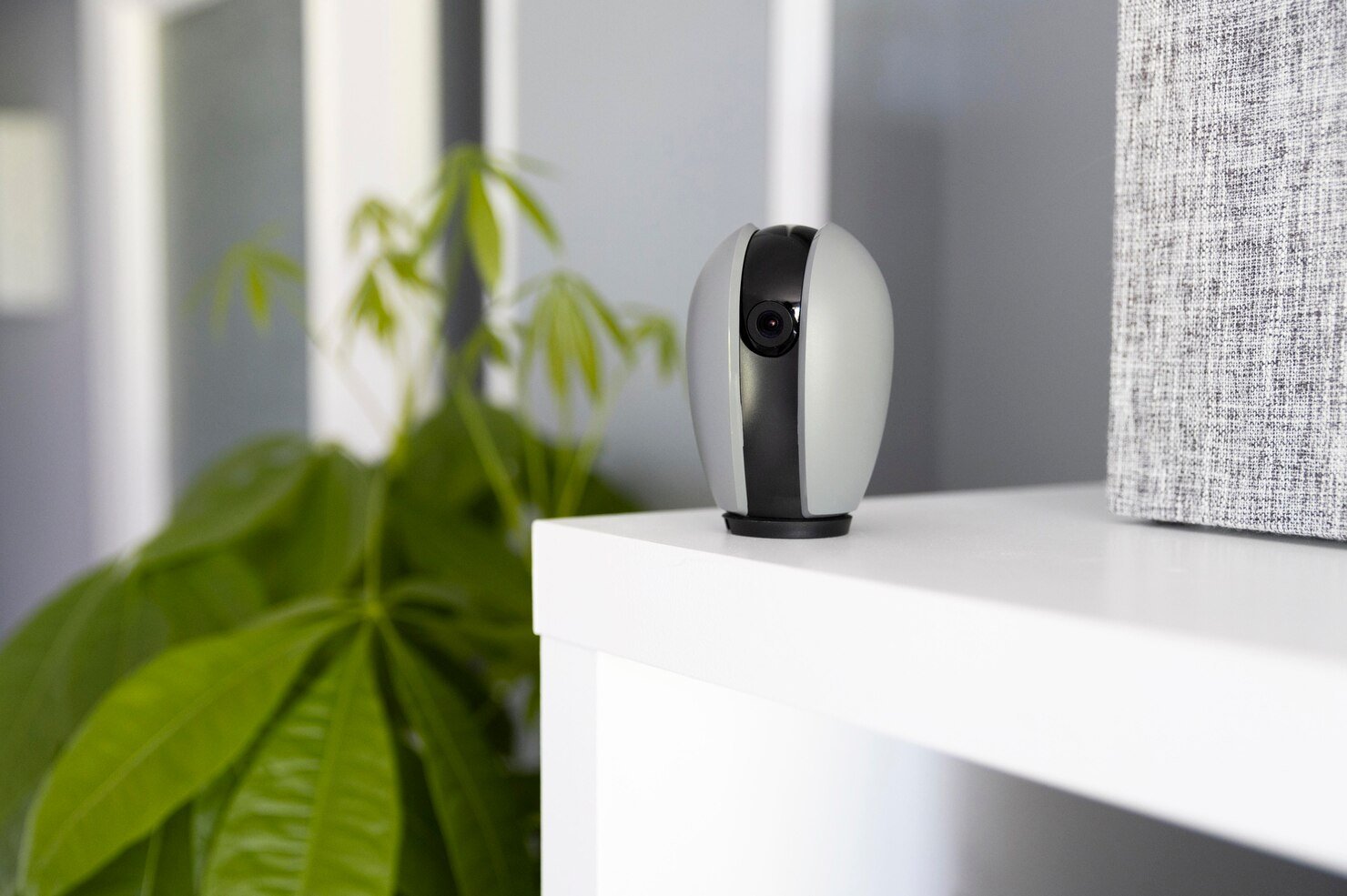
Wireless cameras have become a standard feature in numerous residential properties throughout Singapore. People increasingly seek straightforward yet adaptable methods to secure their homes. However, the process of selecting an appropriate wireless camera for the home in Singapore’s HDB flats becomes challenging for users.
Some models demonstrate excellent theoretical performance yet fail to deliver adequate coverage, and their night vision capabilities and Wi-Fi strength remain deficient. The guide will show you which wireless cameras operate best in HDB flats, which essential features you need to examine and which stress-free installation methods you need to follow.
Why Wireless Cameras Suit HDB Flats
CCTV cameras for home Singapore are popular because they are simple, neat, and flexible. No messy cables. No drilling in most cases. They fit small corridors, bedrooms, and entryways.
Key reasons people prefer wireless today
- Easy installation that takes minutes
- Compact designs that blend into HDB layouts
- Mobile viewing so you can check your home anywhere
- Cloud and local storage for flexibility
For many homes, this balance of ease and value makes wireless cameras ideal.
How to Choose the Best Wireless Camera for an HDB Flat
1. Check the Camera’s Field of View
A good field of view ensures your room or corridor is fully covered. A narrow view leaves blind spots. A wide lens keeps things simple.
Why it matters in HDB homes
Most HDB rooms are compact. Even so, corners and doorways can hide activity. Look for wireless cameras for HDB flats in Singapore with at least 120° to 130° coverage.
2. Look at Night Vision Quality
Night vision is not only for late-night events. Some HDB corridors have low lighting, even during the day.
What to focus on
- Infrared clarity
- Distance range
- Colour night mode (bonus)
3. Motion Detection That Makes Sense
Motion alerts should keep you informed, not annoyed.
Look for
- Smart detection zones
- Human detection
- Adjustable sensitivity
4. Storage Options for Peace of Mind
You get to choose between local and cloud. Both work well, but each has perks.
Local storage:
- No monthly fees
- Works even if Wi-Fi drops
Cloud storage:
- Easy access
- Secures footage off-site
5. Audio Functions Add Practical Value
Two-way audio is no longer a luxury. It’s useful for checking in on kids, pets, or deliveries. Make sure the audio sounds natural and not too robotic.
What to look for in audio quality
- Clear voice pickup without heavy echo
- Low delay when speaking through the app
- Noise reduction for busy corridors
6. Strong Wi-Fi Performance
HDB layouts vary. Some rooms get weak signals.
A camera should
- Support 2.4 GHz at a minimum
- Handle mild signal drops
- Connect fast through your mobile app
Top Features to Look For (HDB-Friendly Options)
Smart App Controls
A good app should load fast and keep all key functions easy to reach. You will use it daily, so smooth navigation makes a big difference.
Privacy Modes
Many cameras now include shutters or timed on/off settings for peace of mind. These features help you control when the camera sees and when it does not.
Easy Mounting
Most wireless cameras use magnetic mounts, strong adhesive, or simple screws. These options make setup quick and ideal for renters who prefer less drilling.
Budget-Friendly Value
A higher price doesn’t always mean better performance or clarity. Choose a model that balances quality, stable recording, and long-term reliability.
Best Wireless Camera Types for HDB Flats
Not all cameras fit every HDB space. Here are the most useful types of CCTV cameras for the home in Singapore.
1. Indoor Wireless Cameras
Great for living rooms, bedrooms, and entryways. They work well for general monitoring and daily safety.
They suit you if:
- You want an easy start
- You need to watch the kids or the pets
- You prefer simple, tidy setups
2. Pan-Tilt Cameras
These rotate horizontally and vertically. Perfect for larger rooms or spaces where you want wide coverage.
Highlights
- Covers more area with fewer blind spots
- Follows movement automatically
- Great for active homes
3. Outdoor Wireless Cameras for HDB Corridors
Many households place cameras outside their main door. If you do this, follow HDB corridor guidelines and ensure the camera does not point into your neighbour’s unit.
Outdoor models offer:
- Weather resistance
- Better night vision
- Stronger motion alerts
They’re ideal if you want to watch your main entrance.
4. Doorbell Cameras
Smart doorbells combine a camera with a door chime. They help you see who is at your door even when you’re not home.
Great for:
- Deliveries
- Visitors
- Safety for kids and elderly family members
Where to Position Wireless Cameras for Best Coverage
Positioning is everything, and the right placement improves both detection and clarity.
Best Spots Indoors
The upper corners of living rooms offer a wide view and help reduce blind spots. Facing the camera opposite the main door gives you a clear look at movement.
Placing it beside windows creates a better daylight balance. Though it helps, avoid putting the camera too close to lights or reflective surfaces to prevent glare.
Best Spots Outdoors (Within HDB Rules)
Cameras should be placed only to cover your own entrance, so you stay within privacy guidelines.
Mounting them at eye level or slightly higher gives a natural angle, and aiming the lens downward helps reduce glare from corridor lighting.
Recommended Wireless Camera Setups for Common HDB Layouts
Every HDB home has its own flow. These setups match typical layouts.
2-Room & Studio Units
Suggested placements
- One camera facing the living area
- One camera is watching the main door
- Optional: a pan-tilt camera for combined coverage
This keeps things simple while covering key spots.
3-Room HDB Flat
What works well
- A camera at the entrance
- Another in the living room
- Optional indoor camera for the kitchen area
This setup suits small families or couples.
4-Room & 5-Room HDB Flats
Larger rooms need wider coverage.
Consider
- Pan-tilt camera in the living room
- Fixed camera in the corridor
- Another for the master bedroom
It provides full monitoring without clutter.
Common Mistakes to Avoid
A few simple errors can affect how well your wireless camera performs. These are easy to miss, but fixing them can improve clarity and overall coverage.
- Mounting Too High: This often leads to stretched or distorted footage.
- Facing Bright Lights: Strong glare washes out details and reduces visibility.
- Weak Wi-Fi Spots: Ignoring dead zones can cause lag or missing recordings.
- Storage Oversights: Full memory cards stop footage from saving without warning.
- Skipping Angle Tests: Not checking views before mounting leads to blind spots.
Conclusion
Residents of HDB flats can choose the appropriate wireless camera for home in Singapore without experiencing any difficulties. Your home will receive proper support through your setup when you concentrate on four main features, which include coverage and clarity, night vision and easy controls.
A well-placed camera helps you watch your space, keep loved ones safe, and stay informed with little effort. Begin testing your angles from your most frequently used spaces before making necessary adjustments. The correct model and placement solutions enhance security while improving connectivity in your HDB home.
FAQs
Can I install a wireless camera outside my HDB flat?
The installation of a wireless camera outside your HDB flat is permitted. The camera should only capture images of your residence according to general privacy regulations. For corridor use, administrative staff should select weatherproof cameras.
Which wireless camera works best for small HDB rooms?
A compact indoor camera with at least 1080p resolution and a wide lens suits small rooms well. The system provides complete observation capabilities, which maintain all details without any distortion.
Do wireless cameras need strong Wi-Fi?
The majority of models require only a 2.4 GHz signal, which provides stable performance. The solution for weak corridor or bedroom coverage problems requires the installation of a Wi-Fi extender.
Do I need cloud storage?
Not all situations require cloud storage. Local storage works well for many. Cloud storage is useful if you want safer backups or easy access when away.