Window Blinds Central Coast and Practical Choices for Comfortable Homes
By Bruce Waller 08-07-2026 79
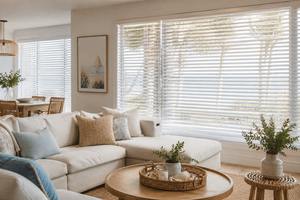
Window coverings do more than finish a room. They influence light, privacy, temperature, glare, mood and the way a home feels throughout the day. On the Central Coast, where homes may shift between bright summer sun, sea breezes, leafy outlooks and cooler evenings, choosing the right blinds deserves more thought than simply picking a colour.
The phrase window blinds central coast is often searched by homeowners who want something practical, durable and suited to local living. Some people need better privacy from the street. Others want to reduce afternoon glare in a living room, soften light in a bedroom, make a home office easier to use or refresh an older interior without a major renovation.
Blinds are a useful choice because they may suit many different rooms and window types. Roller blinds, Venetian blinds, sunscreen blinds, blackout blinds and other custom options may each solve different problems. The right option depends on the room, the direction of the sun, the style of the home and the level of privacy needed.
For homeowners comparing local solutions, window blinds central coast by Central Coast Shutters Blinds & Awnings may be a helpful reference point when thinking about custom window treatments, room-by-room choices and practical installation.
Central Coast Homes Need Flexible Light Control
Light is one of the best parts of living on the Central Coast, but it is not always easy to manage. Morning sun may feel beautiful in a kitchen, while afternoon sun may make a living room too hot or bright. A bedroom may need deeper darkness for sleep, while a home office may need glare control without losing natural light.
This is where blinds become useful. They allow homeowners to adjust a room throughout the day. A sunscreen blind may soften glare while preserving some outlook. A blackout blind may help a bedroom feel restful. A Venetian blind may allow more detailed control over light direction. A sheer or light-filtering option may create softness in a living area without blocking the room from the outdoors.
Every window behaves differently. A west-facing room may need stronger heat and glare control. A shaded room may need a lighter touch. A room with a view may need a blind that protects comfort without removing the connection to outside.
The best choice is rarely based on appearance alone. A blind should support the way the room is used every day.
Privacy Matters in Coastal and Suburban Streets
Privacy needs vary from home to home. A house close to the street may need coverage for front bedrooms and living rooms. A townhouse may face neighbouring windows. An apartment may have balcony sightlines. A home near a busy road may need privacy during the day without feeling closed in.
Blinds may help create that balance. Sunscreen fabrics may provide daytime privacy while still allowing some outward visibility. Blackout blinds may provide stronger coverage at night. Venetian blinds may be tilted to block direct views while keeping daylight moving through the room.
The timing of privacy matters too. A fabric that feels private in daylight may behave differently once the lights are on at night. Homeowners should think about how the room feels in the evening, not only how it looks during the day.
Layering may also help. Some homes may benefit from combining blinds with curtains or shutters, especially in bedrooms or formal living spaces. The result may feel more finished while giving the household extra control.
Room Function Should Guide the Product Choice
A living room, bedroom, kitchen, bathroom and home office each need something different. That sounds obvious, but many people still try to choose one blind style for every window. A consistent look may be helpful, but the product still needs to suit the room.
Living rooms often need light filtering or sunscreen blinds because people want comfort without losing the outlook. Bedrooms usually need stronger privacy and better darkness, so blackout blinds may be more suitable. Kitchens need easy-clean materials that handle regular use. Bathrooms need moisture-friendly solutions. Home offices need glare control for screens, especially during video calls or focused work.
A dining room may need softer light in the evening. A child’s bedroom may need safer operating systems and practical durability. Sliding doors may need blinds that move easily and do not get in the way of daily access.
Room-by-room planning may take a little more time, but it usually leads to a better result. The home still feels cohesive when colours and finishes are coordinated, yet each room performs properly.
Roller Blinds Suit Clean and Simple Interiors
Roller blinds are popular because they are neat, practical and easy to fit into different interior styles. They may suit coastal homes, modern renovations, apartments, family homes and investment properties. Their clean profile works well where homeowners want window coverings that do not dominate the room.
The fabric makes the biggest difference. Sunscreen roller blinds may reduce glare and heat while maintaining some outdoor view. Blackout roller blinds may suit bedrooms and media rooms. Light-filtering fabrics may soften daylight in relaxed living areas.
Roller blinds may also work well across large windows and sliding doors. They sit cleanly when open and create a simple finish when lowered. Motorised options may suit large openings or hard-to-reach windows, especially in open-plan homes with several blinds across one wall.
A good roller blind should look simple because the details have been handled well. Measuring, fabric choice, bracket placement and installation all affect how polished the final result feels.
Venetian Blinds Offer Fine Light Adjustment
Venetian blinds remain useful because their slats allow light to be adjusted more precisely. They may suit kitchens, home offices, bathrooms, dining rooms and spaces where privacy changes throughout the day.
The ability to tilt the slats gives homeowners more control than a blind that only moves up and down. This may be helpful when a room needs daylight but also needs to block a direct view from outside. In a home office, Venetian blinds may reduce screen glare while still keeping the room bright enough for work.
Material choice matters. Timber-style finishes may add warmth, while aluminium options may suit practical or contemporary spaces. Faux wood or moisture-resistant materials may be useful in rooms that experience humidity.
Venetian blinds do need regular cleaning because dust may settle on the slats. For the right room, however, their control and classic look may make them a practical option.
Blackout Blinds Support Better Rest
Bedrooms need different light control from living spaces. A room that looks soft and bright during the day may still need strong darkness at night or early morning. Blackout blinds may help reduce unwanted light and support a more restful sleeping environment.
This may matter for children, shift workers, light sleepers or anyone who wants a calmer bedroom. Blackout fabrics may also help with privacy, especially in street-facing rooms or homes close to neighbours.
The fit is important. A blackout blind that leaves large side gaps may not perform as expected. Recess depth, frame shape and window size all influence the result. Some rooms may need side channels or layered window treatments for stronger light control.
Blackout does not mean the room has to feel heavy. Neutral fabrics and clean installation may keep the look soft and modern while still supporting sleep and privacy.
Blinds May Help Manage Heat and Comfort
Window blinds may help improve comfort by managing sunlight before it fills the room. While blinds are not a complete substitute for insulation or cooling, they may make a noticeable difference to how a room feels during strong sun.
Sunscreen fabrics may reduce harsh glare and heat while keeping the room connected to the outside. Blockout fabrics may provide stronger control in rooms that need cooler, darker conditions. Outdoor shading may also support comfort, but internal blinds remain one of the most accessible choices for many homes.
On the Central Coast, rooms with large glass areas may need special attention. Sliding doors, picture windows and open-plan living areas often let in plenty of light, which may be lovely in mild weather and uncomfortable in peak sun. Choosing the right fabric openness, colour and control method may help the room stay more usable.
The aim is not to block every bit of sunlight. It is to manage it properly.
Custom Measuring Creates a Better Finish
Window blinds rely on accurate measurement. A small mistake may lead to light gaps, uneven lines, poor operation or a finish that looks slightly off. This is especially true in older homes where windows may not be perfectly square, and in modern homes with large openings or architectural glazing.
Custom measuring helps account for frame depth, handles, wall finishes, window shape and the way the blind should operate. It also helps with decisions such as whether the blind should sit inside the recess or outside the frame.
Professional installation may also reduce frustration. A blind should be level, secure and easy to use. It should not scrape, sag, twist or sit awkwardly against the window. When the measuring and installation are handled properly, even a simple blind may look far more refined.
This is one reason homeowners often look for local support rather than relying only on generic ready-made products.
Style Should Work With the Whole Home
Colour and texture matter because blinds cover a large visual area. A fabric sample may look subtle in isolation but feel very different once installed across multiple windows. The right colour should work with the walls, flooring, furniture, exterior view and natural light.
Soft neutrals are common because they suit many interiors. Warm whites, sandy tones, soft greys and natural textures may work well in coastal homes. Darker colours may support stronger glare control, but they should be chosen carefully so they do not make the room feel heavy.
The style of the blind should also suit the home. A relaxed coastal home may suit lighter fabrics and natural textures. A modern apartment may suit crisp roller blinds. A traditional home may benefit from timber-style Venetians or layered window treatments.
Good design is not about matching everything perfectly. It is about making the room feel settled and consistent.
Local Advice May Make the Process Easier
Choosing blinds may seem simple at first, but the details quickly add up. Homeowners need to think about light, privacy, cleaning, safety, window size, fabric, colour, installation and long-term use. Local advice may make the process easier because the recommendations may be shaped around real Central Coast homes and conditions.
A homeowner may not know whether a sunscreen blind, blackout blind, Venetian blind or another product is best for a certain room. A local specialist may help compare options and explain the trade-offs clearly.
For readers looking at service providers, Central Coast Shutters Blinds & Awnings are your go-to experts for window blinds central coast may be a relevant reference when considering custom product selection, measuring and installation support.
Good advice should not feel like pressure. It should help the homeowner understand the room, the options and the practical outcome.
Maintenance Keeps Blinds Looking Better
Blinds work best when they are cared for consistently. Most internal blinds may benefit from regular dusting, gentle wiping and careful operation. Kitchens and bathrooms may need a little more attention because moisture, steam or cooking residue may build up over time.
The cleaning method depends on the product. Some fabrics may need gentle vacuuming with a brush attachment. Aluminium or faux wood slats may be wiped with a damp cloth. Fabric blinds should be treated more carefully to avoid staining or damage.
Good habits also matter. Blinds should be raised and lowered smoothly, cords or chains should be used properly, and any stiffness or alignment issue should be checked before it becomes worse. For homes with children or pets, safer operating systems and tidy chain management may be important.
A blind that is easy to maintain may stay attractive for longer and remain more pleasant to use.
A Practical Way to Choose Window Blinds Central Coast Homes May Enjoy
The best window blinds central coast homeowners choose are usually the ones that solve real everyday problems. They reduce glare where the sun is harsh. They create privacy where windows feel exposed. They help bedrooms feel darker, kitchens feel practical, offices feel usable and living spaces feel calmer.
A good blind choice should not feel like a rushed cosmetic update. It should be part of how the room works. That means looking at the light, the outlook, the privacy needs and the people using the space. It also means choosing materials and operating systems that suit the household.
For those ready to compare options, discover professional window blinds central coast with Central Coast Shutters Blinds & Awnings may be a useful step in reviewing custom blinds and installation possibilities.
When window coverings are planned well, they quietly improve daily living. They make rooms more comfortable, support privacy, soften harsh light and help the home feel more complete. That is the real value of choosing blinds with care.
Tags : Window Blinds