Wind Turbines That Think: How AI Is Turning Data into Dollars in Wind Power
By Leadvent Group 29-04-2026 210
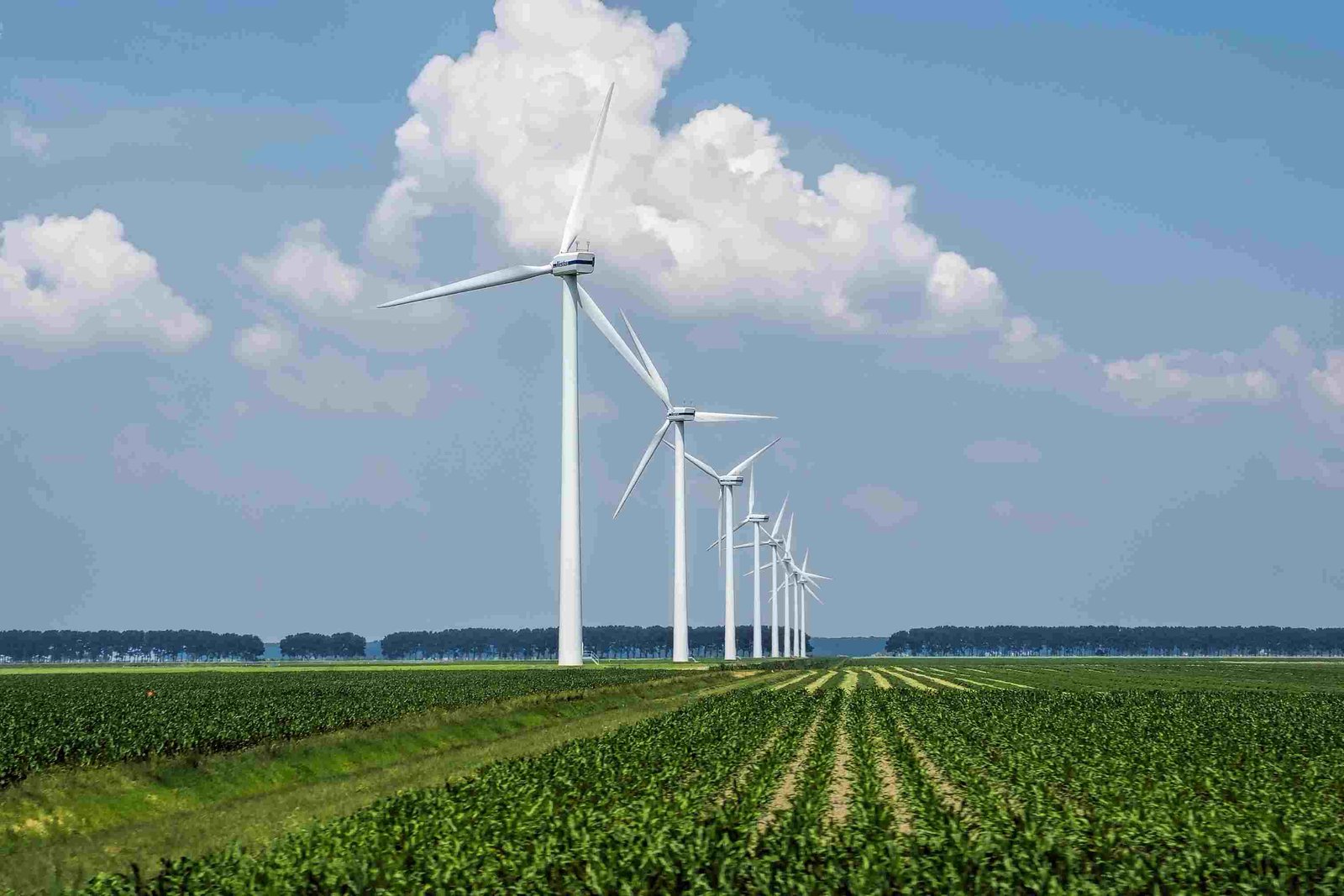
Wind energy has come a long way from simple spinning blades on a hilltop. Today, a modern wind turbine is less of a mechanical structure and more of a data machine. It measures wind speed, blade vibration, temperature, rotation speed, and dozens of other variables every single second. The challenge was never the data, it was knowing what to do with it. That is exactly where artificial intelligence has stepped in, and the results are changing everything about how wind power is managed, maintained, and monetized.
The Problem Wind Farms Were Always Dealing With
Running a wind farm sounds straightforward. The wind blows, the blades spin, electricity is generated. But in reality, operators have always faced an uncomfortable truth: turbines break down at inconvenient times, energy output is unpredictable, and maintenance costs eat into profits faster than most people realize.
Traditional monitoring systems would alert teams only after something went wrong. By then, the damage was done, a cracked blade, a failed gearbox, weeks of lost output, and emergency repair bills that could run into hundreds of thousands of dollars per incident. The industry needed a smarter way to anticipate problems before they happened.
How AI Changes the Game
Artificial intelligence, specifically machine learning, works by identifying patterns in large amounts of data. When applied to wind energy, it does something remarkable, it learns what a healthy turbine looks, sounds, and behaves like. Then it watches for anything that deviates from that baseline.
AI systems can predict mechanical failures weeks before they occur. They can identify early signs of bearing wear, blade imbalance, or electrical faults simply by analyzing subtle changes in vibration data or temperature readings. Maintenance crews can then schedule repairs during low-wind periods instead of scrambling during a production outage.
Beyond maintenance, AI also improves how turbines operate in real time. Algorithms adjust blade pitch and rotor speed based on wind direction and speed forecasts, squeezing more electricity out of every gust. This is called performance optimization, and even a one or two percent improvement in output across a large wind farm adds up to significant revenue over a year.
Smarter Forecasting, Better Grid Integration
One of the bigger headaches in wind power has always been unpredictability. Grid operators need to know how much electricity is coming so they can balance supply and demand. Traditional forecasting methods were rough estimates at best.
AI-driven forecasting uses weather data, satellite inputs, historical production records, and real-time sensor feeds to predict energy output with much greater accuracy, sometimes hours or days in advance. This allows wind farm operators to participate more confidently in electricity markets, bid at better prices, and avoid costly penalties for missing delivery targets. It also helps grid managers integrate more renewable energy without destabilizing the network.
Case Study 1: Vestas and Predictive Maintenance in Denmark
Vestas, one of the world's largest wind turbine manufacturers, deployed an AI-powered predictive maintenance platform across thousands of turbines globally. The system monitors over a billion data points per day and uses machine learning models to flag anomalies before they escalate. According to industry reports, this approach has helped Vestas reduce unplanned downtime by around 20 percent and cut maintenance costs significantly. For a company managing tens of thousands of turbines worldwide, the financial impact runs into tens of millions of dollars annually.
Case Study 2: Google DeepMind and Wind Farm Optimization in the United States
In 2019, Google's DeepMind AI was applied to a portfolio of wind farms in the central United States. The AI was trained on historical weather and power output data, then used to predict wind energy production 36 hours ahead. By pre-committing to predicted power delivery, DeepMind helped increase the value of the wind power generated by roughly 20 percent compared to unoptimized delivery. This was achieved without adding any new physical infrastructure, purely through smarter software and prediction.
Where the Wind Energy Industry Is Heading Next
The integration of AI into wind energy is not a distant vision, it is already standard practice at many of the world's leading operators. As AI tools become cheaper and more accessible, even smaller wind farms that once could not afford sophisticated monitoring systems are beginning to adopt them.
Every major windpower event and industry conference in recent years has featured AI prominently on the agenda, reflecting how central it has become to the sector's future. The conversation is no longer about whether AI belongs in wind energy. It is about how quickly companies can implement it and how much competitive ground they will lose if they do not.
The financial case is clear. Better uptime, lower maintenance costs, more accurate forecasting, and smarter trading in electricity markets, each of these translates directly into improved revenue and reduced operational risk.
Frequently Asked Questions (FAQs)
1. How does AI help predict wind turbine failures before they happen?
AI systems continuously analyze data from sensors installed throughout a turbine, measuring temperature, vibration, load, and electrical output. By learning what normal operating patterns look like, the system can detect small deviations that often signal developing faults. This gives maintenance teams enough lead time to fix issues before they cause unplanned shutdowns.
2. Does AI actually improve how much electricity a wind turbine produces?
Yes. AI-based control systems adjust blade pitch and rotor speed in real time based on wind conditions. These small, continuous adjustments improve energy capture efficiency. Studies have shown gains of one to five percent in annual energy output, which is meaningful at scale.
3. Is AI in wind energy only for large companies?
Not anymore. While early adoption was driven by large turbine manufacturers and utility-scale operators, cloud-based AI monitoring tools have significantly reduced the cost of entry. Smaller wind farm operators can now access similar capabilities through third-party software platforms without building their own data infrastructure.
4. How accurate is AI-based wind power forecasting?
Modern AI forecasting tools have substantially outperformed traditional meteorological models, particularly for short-term and medium-term predictions. Some systems achieve accuracy levels that were previously unattainable, reducing forecast error by 30 to 50 percent in certain conditions. Accuracy varies depending on data quality and local geography.
5. Does using AI in wind power have any environmental benefits beyond producing clean electricity?
Yes. By extending the working life of equipment through better maintenance, AI reduces the frequency of part replacements and the associated manufacturing and transportation emissions. It also helps integrate more renewable energy into the grid, reducing the need for fossil fuel backup generation to cover supply uncertainty.