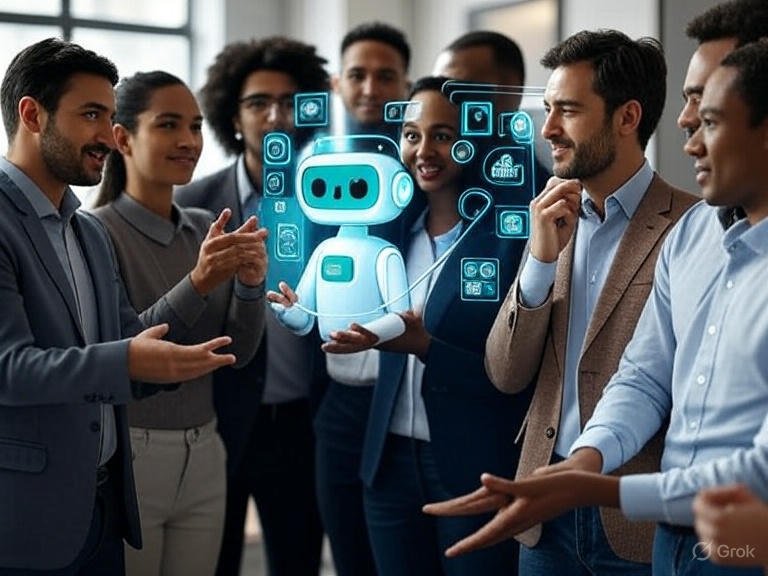
We live in a time where technology shapes nearly every part of our daily lives, from how we work to how we connect with others. Romantic AI companions—those virtual partners powered by advanced algorithms—are no longer just a sci-fi dream. They chat with us, remember our favorite stories, and even offer comfort during tough days. But as these digital relationships grow more common, a big question arises: could having a romantic AI companion turn into a mark of high status, much like owning a fancy car or a designer bag? Or, on the flip side, might real human connections become the true luxury? Let's look at this idea step by step, drawing from what's happening now and what experts predict for the years ahead.
The Rise of Virtual Partners in Everyday Life
Romantic AI companions started as simple chatbots, but they've evolved quickly. Apps like Replika and Anima let users build personalized relationships with AI that feel almost real. These companions listen without judgment, adapt to your mood, and provide constant support. In 2025, with AI getting smarter, more people turn to them for companionship, especially those feeling isolated in busy cities or after tough breakups.
However, this shift isn't just about convenience. As AI becomes more accessible, some argue that human relationships could stand out as rarer and more valuable. In one discussion, it's suggested that having a flesh-and-blood partner might signal that you possess qualities worth loving in return. Similarly, if AI handles the basics of emotional needs, only those with strong social skills or high appeal might secure real romantic bonds. This could flip the script on what we value in partnerships.
They say loneliness is a modern epidemic, and AI steps in as a quick fix. Yet, as these tools spread, we might see a divide: everyday folks relying on digital mates, while elites boast about their authentic human connections. Admittedly, this sounds like a plot from a dystopian novel, but current trends hint it's already underway.
How Modern Society Defines Success Through Relationships
In our world, relationships often reflect personal success. Think about it—we showcase partners on social media, not just for love, but to signal stability or attractiveness. Status symbols aren't new; they've always included things like homes, jobs, or even the company we keep. Now, with AI entering the mix, romantic choices could become another layer of that signaling.
For instance, men with attractive spouses are sometimes viewed as higher status, according to studies on social perceptions. If AI companions offer perfect, unflawed interactions, real partners—who come with quirks and conflicts—might highlight someone's ability to navigate complexity. In comparison to effortless AI chats, maintaining a human romance requires effort, patience, and compromise, traits that could scream "I've got my life together."
But not everyone agrees. Some worry that AI will make human bonds seem outdated or too demanding. As a result, those who opt out of AI might be seen as traditionalists, while early adopters flaunt their tech-savvy lifestyles. Despite these views, the appeal of AI lies in its reliability—no arguments, no ghosting, just steady presence.
Digital Luxuries and What They Say About Us
Status symbols evolve with technology. Once, it was smartphones; now, it's smart homes or electric vehicles. Romantic AI could follow suit, especially premium versions with advanced features like voice modulation or holographic displays. Imagine subscribing to an elite AI service that customizes every interaction based on deep learning from your habits. That could become a badge of affluence, showing you can afford cutting-edge emotional tech.
In particular, high-end AI companions might integrate with other luxuries, like syncing with your smartwatch for health advice or planning virtual dates in augmented reality. Of course, this raises questions about accessibility. Not everyone can pay for top-tier models, so basic free versions might serve the masses, while customized ones cater to the wealthy.
- Premium features could include:
- Real-time emotional analysis to predict your needs.
- Integration with social calendars for seamless "couple" planning.
- Exclusive content libraries for shared "experiences," like virtual travels.
Clearly, if AI romance becomes stratified by cost, it mirrors how we already display wealth through gadgets. However, this might backfire, making AI users seem unable to form real ties, thus lowering their social standing.
Trends Showing AI Romance Gaining Ground
Looking at 2025 data, romantic AI apps are booming. Platforms like Candy AI and Romantic AI top lists for their immersive chats and customizable avatars. Users report feeling less alone, with some even forming deep attachments. One trend is the rise of AI in dating apps, where virtual wingmen suggest matches or coach conversations.
Especially among younger generations, teens are turning to chatbots for romance, redefining love as always available and unconditional. This youthful shift accelerates changes in how we see intimacy. Meanwhile, in Asia, AI partners are already popular, with women engaging in endless story-like interactions that mimic romance novels.
Subsequently, adult-oriented extensions emerge, such as AI porn, which blends companionship with explicit content for a more holistic experience. Users seek not just visuals but interactive narratives that feel personal. Likewise, tools like Pornify provide AI pornstar generator that allow creation of tailored scenarios, pushing boundaries of fantasy while keeping it private.
They provide outlets for exploration without real-world risks, but this could influence expectations in human relationships. As a result, what starts as fun might reshape norms around consent and connection.
Advantages That Make AI Appealing to Many
We can't ignore why people choose AI companions. They offer emotional personalized conversation that adapts to your exact preferences, remembering details from past talks to build a sense of history. For busy professionals or those with social anxiety, this is a game-changer—no awkward silences, just engaging dialogue.
In spite of potential downsides, benefits include:
- Constant availability, unlike human partners with their own schedules.
- No emotional baggage; AI starts fresh every time.
- Learning capabilities that improve over time, making interactions feel evolving.
Still, these perks come at a cost to genuine growth. Human relationships teach resilience through challenges, something AI can't replicate fully.
Concerns About Dependency and Real Connections
Although AI provides comfort, over-reliance might erode social skills. Experts warn that idealized AI interactions could make human ones feel inferior, leading to more isolation. For example, if an AI always agrees, how do we handle disagreements in real life?
Even though AI helps some practice flirting or build confidence, it might create unrealistic standards. Consequently, users could struggle with the messiness of actual romance, where compromise is key.
In one study, attachments to AI vary by demographics, with different impacts on men and women. Women might find AI boyfriends offering endless validation, while men use them for straightforward companionship. Thus, gender dynamics play a role in how status shifts.
Not only that, but privacy issues loom large. AI companies collect data on intimate talks, raising risks of breaches or misuse. Hence, trusting these systems requires caution.
Predicting Where AI Romance Heads Next
Eventually, as AI advances, companions might become indistinguishable from humans in voice and empathy. Predictions suggest by 2030, a significant portion of people will have AI as primary emotional support. But will this make them status symbols?
On one hand, yes—if rare, high-quality human relationships become the envy of all. Those with thriving real partnerships might be seen as elite, possessing charisma AI can't fake. On the other, premium AI could symbolize innovation and wealth, especially if integrated with VR for immersive dates.
Meanwhile, regulations might emerge to address ethical gaps, like ensuring AI doesn't manipulate users. So, the future depends on how society balances tech with humanity.
Final Thoughts on This Evolving Landscape
They say technology reflects our desires, and romantic AI companions reveal a hunger for connection without complications. We might embrace them as tools for joy, but their rise could redefine status in unexpected ways. If human love becomes the ultimate luxury, it reminds us that true bonds require effort—something no algorithm can fully provide. As we navigate this, let's consider what we value most in our hearts. After all, in a world of perfect digital mates, the imperfections of real romance might shine brightest.
Tags : .....