Buying a Home Is Exciting but Risky
Buying a house often feels like crossing a finish line. You've searched, toured properties, negotiated, and finally found "the one." In the rush to close the deal, it can be tempting to skip steps that feel optional. A home inspection is often one of the first things buyers consider cutting, especially in competitive markets.
That decision, however, can come back to haunt you. Homes are complex structures, and even well-maintained properties can hide serious issues beneath the surface.
What a Home Inspection Actually Reveals
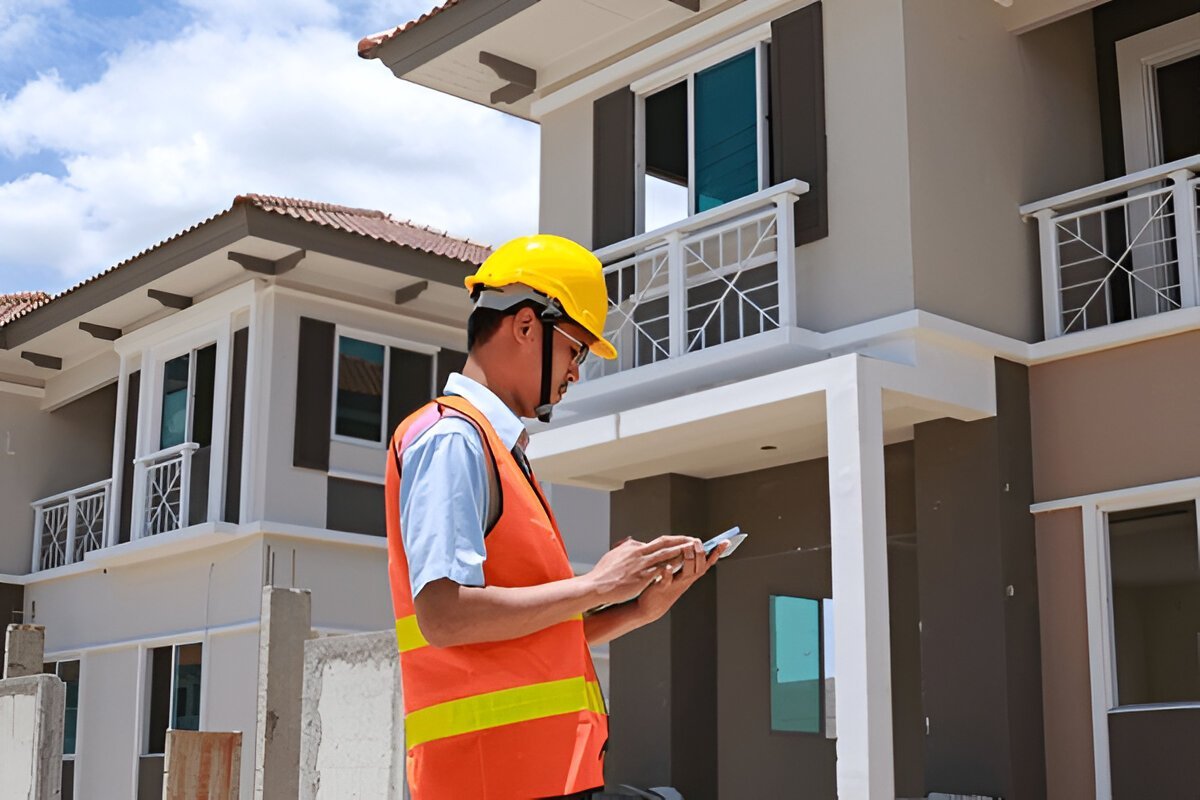
A home inspection is not about nitpicking minor flaws. It is a comprehensive evaluation designed to identify major concerns that affect safety, functionality, and long-term value. Inspectors look past fresh paint and trendy fixtures to examine the structure, roof, electrical systems, plumbing, HVAC, and more.
A qualified inspection provides a realistic snapshot of the home's condition, not just how it looks on showing day.
Common Issues Buyers Rarely Expect
Many buyers assume serious problems would be obvious. In reality, some of the most expensive issues are easy to miss. Water intrusion behind walls can lead to mold and wood rot. Electrical panels may be outdated or improperly wired. Roof damage may not be visible from the ground, but it can shorten the life of the home significantly.
A professional home inspection in Ocala is especially important due to climate-related factors like humidity, heavy rains, and storm exposure, which can accelerate wear and tear on homes.
The True Cost of Skipping an Inspection
Skipping an inspection may save a few hundred dollars upfront, but it can cost thousands later. Buyers who waive inspections often discover problems only after closing, when repairs are entirely their responsibility.
Unexpected issues can derail budgets, delay move-in plans, and create unnecessary stress. Worse, some problems are safety-related, such as faulty wiring or structural weaknesses, which can put occupants at risk.
Inspections Strengthen Your Negotiating Position
One of the most overlooked benefits of a home inspection is leverage. Inspection reports provide documented evidence of issues, allowing buyers to negotiate repairs, request credits, or adjust the purchase price.
Instead of guessing or relying solely on seller disclosures, buyers can make requests based on facts. This levels the playing field and helps ensure the price reflects the true condition of the home.
Inspections Help You Plan Ahead
Not every issue uncovered during an inspection is a deal-breaker. In fact, many findings simply help buyers plan for the future. Knowing that a roof has a limited remaining lifespan or that a system is nearing the end of its service life allows for better budgeting and maintenance planning.
This clarity helps new homeowners avoid surprises and feel more confident stepping into ownership.
Even New Homes Need Inspections
New construction does not guarantee perfection. Builders work on tight schedules, and mistakes happen. Missing insulation, improper installations, or overlooked code requirements are more common than many buyers realize.
An independent inspection ensures the home was built correctly and safely before you take ownership. It is an added layer of protection that benefits buyers in the long run.
Making a Smart, Informed Purchase
At its core, a home inspection is about informed decision-making. It empowers buyers with knowledge and reduces uncertainty. Whether you move forward, renegotiate, or walk away, you do so with confidence instead of regret.
Conclusion
A home is one of the largest investments you will ever make, and skipping an inspection puts that investment at risk. From uncovering hidden problems to strengthening negotiations and providing peace of mind, inspections play a critical role in smart home buying. For buyers seeking reliable, detailed evaluations, C-4 Property Inspections proudly serves homeowners in Ocala, helping protect both properties and peace of mind.
FAQs
Q1: Can a home inspection cause a deal to fall through?
Yes, but often for good reason. It protects buyers from costly or unsafe purchases.
Q2: Are inspections required when buying a home?
They are not always required, but they are highly recommended.
Q3: How detailed is a home inspection report?
Most reports include photos, explanations, and clear summaries of findings.
Q4: Should I attend the home inspection?
Yes. Being present allows you to ask questions and better understand the home.
Q5: Does an inspection guarantee there will be no future problems?
No, but it significantly reduces the risk of major surprises.
Tags : Home Inspection