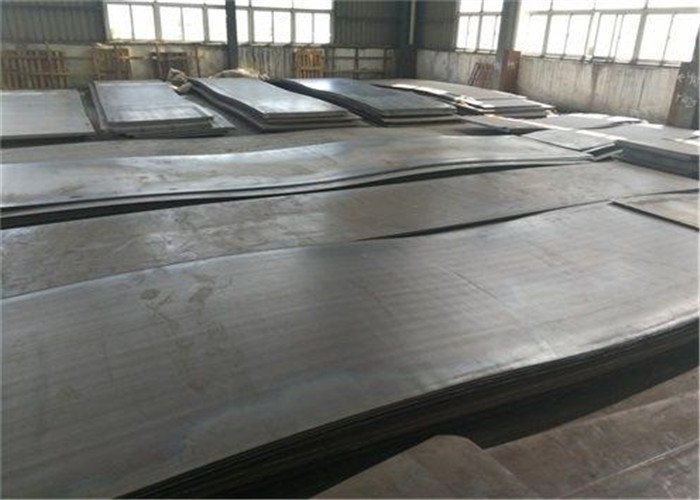
Oil and gas facilities push equipment harder than almost any other sector. High pressure, elevated temperatures, and corrosive process streams all hit the same components at once, and there's no room for material that can't keep up. That's the environment Industrial Boiler Steel Plates are built for. Boiler Quality Steel Plates are foundational to industrial manufacturing. Suppliers regularly distribute these plates for building boilers, pressure vessels, storage tanks, and heavy process equipment because a single piece seamlessly combines structural strength, impact toughness, and high heat resistance. This blog covers what the material is, its key properties, why the oil and gas industry depends on it, where it gets used, and what to check before ordering.
What Are Boiler Steel Plates?
Boiler steel plate is a specialized type of steel designed to withstand the constant pressure and heat within a boiler shell or pressure vessel. The chemical composition is precisely controlled in the manufacturing process, balancing carbon and alloying elements to provide the plate with strength without detriment to its weldability. There are several classes within this category, each suitable for a distinct pressure and temperature combination. The usual structural steel plate is not designed for this type of service. Structural grades are used for static loads in structures and frames; boiler-quality plates are tested and approved for pressure-retaining applications. Before a plate ever leaves the mill, production meets ASTM, ASME, EN, and IS standards that control everything from chemical limits to mechanical testing.
Key Properties of Boiler Steel Plates
High tensile strength: The plate resists deformation under the mechanical stress that comes with high-pressure service. That strength keeps vessel walls stable even as internal pressure fluctuates during operation.
Excellent pressure resistance: Boiler plates hold their shape and integrity under sustained internal pressure, which is the core requirement for any vessel holding pressurized steam, gas, or liquid.
Superior heat resistance: The material keeps its mechanical properties at elevated temperatures instead of softening, which protects equipment running continuously at high thermal loads.
Good weldability: Fabricators weld these plates into vessel shells and boiler components using standard techniques, without compromising the strength of the finished joint.
High toughness: The plate absorbs sudden stress or impact without cracking, an important trait in equipment exposed to pressure surges or thermal shock during startup and shutdown cycles.
Resistance to thermal fatigue: Repeated heating and cooling cycles don't degrade the plate's structural performance the way they would with lower-grade steel, extending the equipment's working life.
Long service life under demanding operating conditions: All of these properties combine to keep boiler plates performing reliably for years of continuous industrial service.
Why the Oil & Gas Industry Uses Boiler Steel Plates
Refineries and petrochemical plants run equipment that never really stops. Pressure vessels and boilers hold dangerous process fluids at high pressure around the clock, and there's zero tolerance for a plate that can't handle that load. Boiler steel plates are designed specifically for high-pressure equipment, delivering reliable performance at the elevated temperatures common throughout refining and gas processing.
Mechanical strength is only part of the story. Safe operation depends on the plate's high resistance to thermal stress, since equipment cycles through heating and cooling constantly during normal operations. That resistance reduces maintenance demands and cuts unplanned downtime, both of which carry a real cost in a facility running continuous production. Longer equipment lifespan follows naturally from all of this — plants that specify boiler-quality steel replace vessels and boiler components less often, which protects both budget and production schedules over the long run.
Applications in Oil & Gas Industry
Boilers and steam generators rely on this steel to contain pressurized steam safely while withstanding constant thermal cycling.
Pressure vessels across the industry use boiler-quality plate to hold pressurized gases and liquids without risk of rupture.
Heat exchangers need plate that transfers heat efficiently while standing up to both pressure and temperature stress simultaneously.
Storage tanks holding pressurized or heated products depend on the plate's strength and corrosion resistance for safe long-term storage.
Refineries use these plates throughout processing units exposed to high heat and corrosive hydrocarbons.
Petrochemical processing plants need the same combination of strength and heat resistance across reactors and process vessels.
Offshore platforms demand plate that performs reliably under pressure while resisting the added stress of a marine environment.
LNG and gas processing facilities rely on boiler steel for equipment handling gas at extreme pressure and temperature swings.
Process piping support equipment uses this steel wherever structural strength needs to hold up under both mechanical and thermal load.
Factors to Consider When Choosing Boiler Steel Plates
Design specifications and process conditions are evaluated up front to facilitate full code compliance, safe operation and efficient shop fabrication.
Operating Conditions: The plate thickness and grade should be selected according to accurate pressure estimates, temperature ranges, and corrosivity of process fluid.
Fabrication & Heat Treatment: Early review of welding procedures for any required preheat and post weld heat treatment (PWHT).
Standards & Certification: State mill test records and ASTM/ASME code compliance to allow for jurisdiction clearance and full traceability of materials.
Conclusion
Boiler steel plates are the backbone of the oil & gas industry. They give the brute strength, heat resistance, and pressure capability that refineries, chemical plants, and offshore rigs depend on 24/7. The approved Pressure Vessel Steel Plates can not only ensure safe operations but also enhance the performance of the equipment and increase the service life of the machinery used in the most demanding industrial situations.
Tags : Boiler Steel Plates