Why Taiwan’s Room Air Conditioners Industry Is Evolving Through Smart Cooling and Energy Efficiency
By Adam Williamson 24-07-2026 153
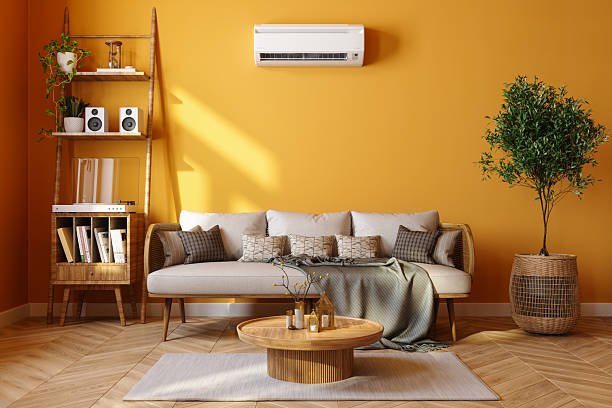
Taiwan's warm and humid climate has made room air conditioners an essential household appliance for decades. However, the industry is now evolving beyond basic cooling as consumers increasingly prioritize energy efficiency, smart home integration, and environmentally friendly technologies. Growing urbanization, higher living standards, and government initiatives promoting energy conservation are encouraging both residential and commercial users to upgrade to advanced air conditioning systems.
According to the Taiwan room air conditioners industry report published by Vyansa Intelligence, the market was valued at USD 1.17 billion in 2025 and is projected to reach USD 1.31 billion by 2032, expanding at a CAGR of 1.63% from 2026 to 2032. While the market is relatively mature, ongoing technological advancements and replacement demand continue to create opportunities for manufacturers focused on innovation and sustainability.
Energy Efficiency Is Becoming the Primary Purchase Driver
As electricity costs and environmental awareness continue to rise, consumers are placing greater emphasis on energy-efficient cooling systems. Modern room air conditioners equipped with inverter technology have become increasingly popular because they regulate compressor speed according to cooling demand, reducing electricity consumption while maintaining stable indoor temperatures.
Manufacturers are introducing products with higher energy efficiency ratings, intelligent temperature control, and improved compressor technologies that help lower operating costs over the product's lifetime.
According to the International Energy Agency (IEA), improving the energy efficiency of cooling equipment is one of the most effective ways to reduce electricity demand while supporting global climate goals. These industry-wide trends continue to influence purchasing decisions across Taiwan.
The Taiwan room air conditioners market analysis suggests that energy-saving technologies will remain one of the strongest competitive differentiators in the coming years.
Smart Home Integration Is Transforming Consumer Expectations
Digital lifestyles are driving demand for connected appliances throughout Taiwan. Today's consumers increasingly expect air conditioners to integrate seamlessly with smartphones, voice assistants, and home automation platforms.
Modern room air conditioners now offer features such as Wi-Fi connectivity, remote monitoring, programmable schedules, occupancy sensors, and energy consumption tracking. These technologies allow users to manage cooling systems from virtually anywhere while optimizing electricity usage.
The Taiwan room air conditioners industry outlook highlights smart functionality as a major factor shaping future product development, particularly among younger homeowners and technology-oriented consumers.
Replacement Demand Continues to Support Market Growth
Unlike rapidly developing markets where first-time purchases dominate, Taiwan's room air conditioner industry is largely driven by replacement demand. Many households are upgrading older systems with newer models that provide better efficiency, quieter operation, and advanced air purification capabilities.
Consumers increasingly recognize that replacing aging equipment with modern inverter systems can significantly reduce long-term energy costs while improving indoor comfort.
This replacement cycle provides manufacturers with consistent opportunities to introduce innovative products even within a relatively mature market.
Indoor Air Quality Is Becoming More Important
Consumer awareness of indoor air quality has increased significantly in recent years. As a result, manufacturers are expanding beyond traditional cooling by incorporating advanced filtration technologies into room air conditioners.
Modern systems now feature high-efficiency particulate filters, antibacterial coatings, deodorization technologies, and humidity management functions that improve overall indoor air quality.
These additional features make room air conditioners increasingly valuable for families, elderly individuals, and consumers seeking healthier indoor living environments.
Commercial Demand Remains Stable
Commercial buildings continue to represent an important customer segment within Taiwan's room air conditioner industry. Retail stores, healthcare facilities, educational institutions, restaurants, and office buildings all require reliable cooling systems to maintain comfortable indoor environments.
Businesses are increasingly investing in high-efficiency equipment that lowers operating expenses while providing consistent performance throughout extended operating hours.
Compact systems designed for smaller commercial spaces remain particularly attractive because they balance installation flexibility with energy savings.
Sustainability Is Encouraging Product Innovation
Environmental sustainability is becoming a major priority across the global HVAC industry. Manufacturers operating in Taiwan are investing in environmentally friendly refrigerants, recyclable components, and improved manufacturing processes that reduce environmental impact.
According to the United Nations Environment Programme (UNEP), transitioning toward climate-friendly cooling technologies plays an essential role in reducing greenhouse gas emissions while supporting sustainable economic development. These global initiatives continue influencing the design and development of next-generation air conditioning systems.
As regulatory standards evolve, manufacturers are expected to place even greater emphasis on sustainable product development and environmentally responsible cooling technologies.
Manufacturing Excellence Strengthens Market Competitiveness
Taiwan has long been recognized for its advanced manufacturing capabilities and expertise in electronics and precision engineering. These strengths contribute to the development of reliable, high-performance room air conditioners that meet evolving consumer expectations.
Automation, digital quality control systems, and advanced production technologies allow manufacturers to improve product consistency while maintaining competitive production costs.
Continued investments in research and development also enable companies to introduce innovative features that strengthen their market position both domestically and internationally.
Future Growth Will Be Driven by Intelligent Cooling Solutions
Artificial intelligence, predictive maintenance, and advanced sensors are expected to play increasingly important roles in the future of room air conditioners. AI-enabled systems capable of learning user behavior, monitoring occupancy, and automatically optimizing cooling performance can significantly improve both comfort and energy efficiency.
Manufacturers are also exploring advanced diagnostics that identify maintenance requirements before system failures occur, helping extend equipment lifespan and reduce service costs.
These innovations will further strengthen the value proposition of premium air conditioning systems in Taiwan's evolving market.
Looking Ahead
The Taiwan room air conditioners industry is projected to grow from USD 1.17 billion in 2025 to USD 1.31 billion by 2032, supported by replacement demand, energy-efficient technologies, smart home adoption, and growing awareness of indoor air quality.
Although market growth is expected to remain moderate, manufacturers that prioritize innovation, sustainability, intelligent connectivity, and user experience are likely to strengthen their competitive advantage. As consumers continue seeking efficient and environmentally responsible cooling solutions, Taiwan's room air conditioner industry is expected to remain an important contributor to the country's home appliance sector.
For a comprehensive understanding of competitive developments, technology trends, and long-term growth opportunities, the Taiwan room air conditioners market outlook from Vyansa Intelligence provides detailed insights into the factors shaping the industry's future.