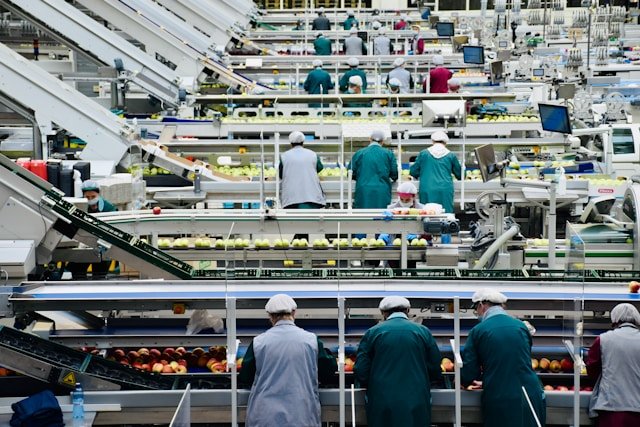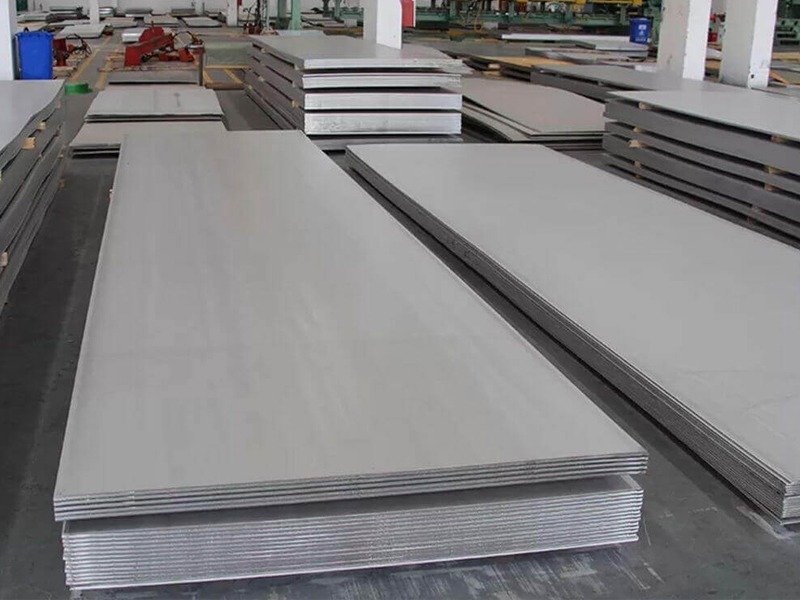
SS 304 plates are the foundation of modern food processing equipment due to their exceptional hygiene and durability. From mixing vats to conveyor frames, this grade provides the essential corrosion resistance required to withstand harsh chemical washdowns, daily sanitisation cycles, and strict regulatory compliance.
What Are SS 304 Plates?
SS 304 is an austenitic stainless steel containing about 18% chromium and 8% nickel, which gives the alloy its combination of corrosion resistance and formability. The plates are manufactured to ASTM A240 specification and come in thicknesses from thin sheet gauges to heavy structural sections. Most food grade applications are covered by 2B, No. 4 and BA finishes. The mechanical qualities include minimum tensile strength of 515 MPa and yield strength of 205 MPa with elongation of at least 40%. The mix of strength and flexibility allows fabricators to build tanks, hoppers and enclosures without the material splitting at bends.
Why Food Processing Equipment Requires High-Quality Stainless Steel
Food processing hygiene laws impose rigorous limits on surface porosity, corrosion and leaching of material into the product streams. Food safety regulations from regulatory authorities like the FDA and FSSAI require equipment surfaces to clean completely between manufacturing runs, with no cracks where germs can take root. In one production season, less materials are eaten by acidic food products and aggressive cleaning chemicals. When you add frequent moisture exposure, washdowns many times a shift and equipment that often operates 16 hours or more straight, the case for a corrosion-resistant, cleanable alloy is a no-brainer.
Key Benefits of SS 304 Plates in Food Processing Equipment
Excellent Corrosion Resistance
Chromium creates a protective shield on the metal surface to block damage from natural acids in milk, meat, and drinks. This shield fixes itself if scratched, as long as oxygen is still around.
Hygienic and Non-Porous Surface
A non-porous finish gives bacteria nowhere to colonize. Food safety auditors specifically look for this characteristic when approving equipment for direct product contact.
Easy Cleaning and Maintenance
Smooth 2B or BA finishes wipe clean with standard sanitizing agents. Processing lines built from SS 304 shift between product runs faster because cleaning validation takes less time.
High Strength and Durability
A 515 MPa minimum tensile rating handles the mechanical stress of large storage tanks, structural conveyor frames, and repeated impact from product handling without deformation.
Excellent Weldability
SS 304 plates weld using standard TIG or MIG processes without exotic filler requirements, which keeps fabrication costs predictable for custom equipment builds.
Heat and Temperature Resistance
The alloy holds mechanical integrity through pasteurization, sterilization, and steam cleaning cycles that regularly reach 100°C or higher without warping or scaling.
Attractive Surface Finish
Polished or brushed finishes give processing equipment a clean, professional appearance, which matters for facilities that host client walkthroughs or regulatory inspections.
Long Service Life
Properly maintained SS 304 equipment routinely operates for two decades or longer in food processing environments, spreading the initial material cost across a long operational window.
Common Food Processing Equipment Manufactured Using SS 304 Plates
Mixing tanks and storage tanks make up the largest share of SS 304 plate consumption in food plants, followed closely by conveyors and processing tables built to handle constant product contact. Food preparation counters, dairy equipment, and bakery machinery all depend on the same corrosion resistance and cleanability. Brewery equipment, commercial kitchen installations, packaging machinery, and beverage processing systems round out the list of fabrications where this grade dominates specification sheets.
Why Choose SS 304 Plates from a Trusted Manufacturer?
Certified materials with validated chemical composition guards against the danger of compliance on substituted or mislabeled steel entering a food grade build. Uniform corrosion performance across each plate used in a food processing line is just as important as consistent quality across production batches. Accurate dimensions cut down on fabrication waste, and mill test certificates provide purchasing teams the paperwork auditors like to see. Established suppliers are not generic steel traders, they are suppliers that will keep installation schedules on track with on-time delivery, and have access to custom sizes, finishes and technical support. Buyers sourcing Food Grade Stainless Steel 304 Plates should work with an established stainless steel supplier such as Sparsh Impex, where certification, consistent stock availability, and full material traceability reduce project risk from the outset.
Conclusion
Few other materials can offer the combination of corrosion resistance, sanitary surface quality, mechanical strength and weldability of the SS 304 plates for food processing equipment at a comparable cost. From mixing tanks to packaging lines, the grade meets the hygiene and durability requirements of daily operations in food manufacturing plants. The most reliable way to equipment that will perform for decades under continual washdown and production cycles is to specify SS 304 plates from a certified, quality-controlled source.
Tags : SS 304 Plates