Understanding Woven Labels and Their Role in Modern Clothing
The apparel industry relies on many small details to create a finished garment, and labels are among the most important. While consumers often focus on fabric, fit, and design, labels provide essential information that contributes to branding, product identification, and garment care. Among the various labeling options available today, Woven Labels For Clothing Made In Usa have gained attention for their durability, quality, and professional appearance.
Whether used by independent fashion designers, large apparel manufacturers, or specialty clothing producers, woven labels serve as a practical and attractive addition to garments. Understanding how these labels are produced, their benefits, and their applications can help businesses make informed decisions when selecting apparel identification solutions.
What Are Woven Labels?
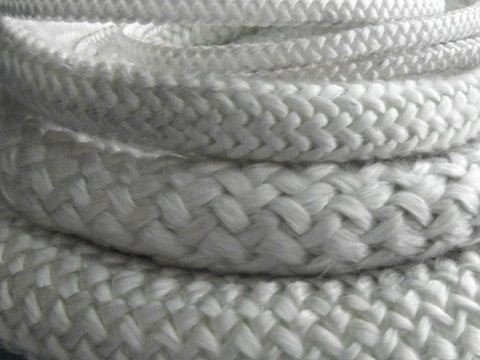
Woven labels are fabric labels created by weaving threads together to form text, logos, symbols, or designs directly into the material. Unlike printed labels, where ink is applied to a surface, woven labels integrate the design into the fabric itself.
This manufacturing process results in labels that maintain their appearance through repeated washing, drying, and everyday wear. Because the design is woven rather than printed, the information remains visible for a longer period and is less likely to fade.
Woven labels are commonly found in shirts, jackets, pants, dresses, uniforms, activewear, and children's clothing. They provide a clean and professional finish that complements a wide range of apparel products.
Why Clothing Labels Matter
Clothing labels perform several important functions beyond simply displaying a brand name. They help consumers identify products and provide useful information about garment care, sizing, and material composition.
Labels contribute to:
- Brand recognition
- Product identification
- Size information
- Fabric content details
- Care instructions
- Manufacturing information
- Professional presentation
For manufacturers and designers, labels are an important component of product consistency. A well-designed label can enhance the overall perception of a garment and contribute to a polished final product.
The Manufacturing Process
The production of woven labels involves specialized weaving equipment that interlaces threads to create detailed patterns and text. Modern weaving technology allows manufacturers to produce highly intricate designs with impressive clarity.
The process generally includes:
Design Creation
The desired artwork, logo, or text is converted into a digital format suitable for weaving. Designers select colors, dimensions, and weave structures based on the intended use of the label.
Thread Selection
Manufacturers choose thread materials that match the desired appearance and durability requirements. Common materials include polyester, cotton, and recycled fibers.
Weaving
Specialized looms weave the design directly into the label fabric. Different weaving techniques can be used depending on the complexity of the artwork and the level of detail required.
Cutting and Finishing
Once woven, labels are cut into individual pieces and finished according to their intended application. Finishing options may include folded edges, heat sealing, or soft backing treatments.
Benefits of Woven Labels
Woven labels offer several advantages that make them a popular choice throughout the apparel industry.
Durability
One of the primary benefits of woven labels is their resistance to fading and wear. Because the design is integrated into the fabric, it remains intact through repeated laundering and use.
Professional Appearance
The textured surface and detailed construction of woven labels create a premium look that many apparel brands prefer.
Design Flexibility
Modern weaving technology allows for a wide range of colors, patterns, and design elements. Manufacturers can reproduce detailed logos and text with a high degree of accuracy.
Comfort
Advancements in label production have improved softness and flexibility, making woven labels more comfortable against the skin.
Long-Term Visibility
Information woven into the label remains readable for extended periods, helping consumers retain access to important garment details.

Common Applications in the Apparel Industry
Woven labels are used across numerous clothing categories and product types.
Fashion Apparel
Fashion brands frequently use woven labels to display logos, designer names, and product identification details.
Workwear
Uniform manufacturers often incorporate woven labels because they can withstand frequent washing and demanding work environments.
Sportswear
Athletic garments benefit from durable labeling solutions that remain intact despite regular use and laundering.
Children's Clothing
Manufacturers of children's apparel often select woven labels due to their longevity and ability to maintain readability over time.
Specialty Garments
Custom apparel, boutique collections, and limited-edition products commonly utilize woven labels to reinforce product identity and craftsmanship.
Choosing the Right Label Material
Material selection plays a significant role in determining the appearance and performance of a woven label.
Polyester
Polyester is one of the most commonly used materials due to its durability, color retention, and resistance to shrinking.
Cotton
Cotton labels provide a natural appearance and soft texture that appeals to brands seeking an organic or traditional aesthetic.
Satin
Satin woven labels offer a smooth finish and luxurious appearance, making them popular in premium apparel collections.
Recycled Materials
As sustainability initiatives continue to expand, many manufacturers now incorporate recycled fibers into label production.
Understanding Woven Name Labels
Many apparel manufacturers also utilize Woven Name Labels For Clothing to identify specific garments, organizations, schools, or individuals. These labels can help reduce loss, improve garment organization, and simplify identification in shared environments.
Name labels are commonly used in:
- School uniforms
- Sports teams
- Healthcare facilities
- Corporate uniforms
- Residential care environments
- Personal clothing collections
By incorporating names directly into woven fabric, these labels offer a durable solution that withstands regular laundering.
Sustainability Considerations
Environmental responsibility has become an important topic throughout the apparel industry. Label manufacturers are increasingly adopting sustainable practices to reduce environmental impact.
Some approaches include:
- Using recycled polyester fibers
- Reducing manufacturing waste
- Improving energy efficiency
- Implementing environmentally responsible dyeing processes
- Utilizing sustainable packaging materials
As consumers continue to seek environmentally conscious products, sustainable label options are becoming more widely available.
Trends Shaping the Future of Clothing Labels
The labeling industry continues to evolve alongside broader changes in apparel manufacturing.
Increased Customization
Brands increasingly seek personalized label designs that reflect unique visual identities.
Sustainable Production
Eco-friendly materials and responsible manufacturing practices continue to gain importance.
Enhanced Comfort
Manufacturers are developing softer label constructions that improve wearer comfort.
Advanced Weaving Technology
Modern equipment allows for greater design complexity, improved precision, and expanded creative possibilities.
Small-Batch Production
The growth of independent fashion brands has increased demand for flexible production quantities and customized labeling solutions.
Selecting a Label Supplier
When evaluating label suppliers, apparel businesses often consider several factors:
- Production quality
- Material options
- Design capabilities
- Consistency
- Turnaround time
- Customer support
- Sustainability practices
A reliable supplier helps ensure that labels meet both functional and aesthetic requirements while maintaining consistency across production runs.
Conclusion
Woven labels remain an important component of modern apparel manufacturing. Their durability, professional appearance, and versatility make them suitable for a wide range of clothing applications. From fashion collections and uniforms to personalized garments and specialty products, woven labels continue to provide reliable identification and branding solutions.
As technology advances and sustainability becomes increasingly important, the woven label industry is likely to continue evolving to meet changing market demands. Understanding the role and benefits of these labels can help apparel businesses make informed decisions when selecting identification solutions for their products.