Hair fall is no longer a concern limited to a particular age group. Women in their twenties, thirties, and beyond often notice increased hair shedding due to stress, pollution, lifestyle changes, and hormonal fluctuations. While the market is filled with products promising instant results, many women are turning back to traditional hair care practices for a more sustainable solution.
One of the most trusted approaches is using the best hair oil for hair fall as part of a regular hair care routine. Natural oils have been used for generations to nourish the scalp, strengthen roots, and improve the overall condition of hair. Today, these time-tested rituals are making a strong comeback as more people seek gentle and effective ways to care for their hair.
Understanding the Root Cause of Hair Fall
Hair fall can occur for several reasons. Sometimes it is linked to stress or poor nutrition. In other cases, environmental factors such as pollution and excessive heat styling may contribute to weakened hair.
Common causes include:
- Nutritional deficiencies
- Stress and lack of sleep
- Hormonal changes
- Frequent chemical treatments
- Scalp buildup
- Excessive use of heat styling tools
Understanding the cause of hair fall is important because healthy hair growth begins with a healthy scalp.
Why Hair Oiling Still Matters
Many modern hair care routines focus on shampoos, conditioners, and styling products. While these products have their place, they often overlook one important factor—scalp nourishment.
Hair oiling helps:
- Nourish the scalp
- Strengthen roots
- Reduce dryness
- Improve manageability
- Support healthy-looking hair
Regular oiling is not just about making hair look shiny. It is about creating a healthy foundation for stronger hair over time.
The Growing Popularity of Botanical Hair Care
Consumers today are paying more attention to ingredient lists. Instead of choosing products filled with harsh chemicals, many women are seeking plant-based alternatives.
A quality natural hair oil for hair fall focuses on nourishing the scalp with botanical ingredients that have been trusted for generations. These formulations often contain herbs and oils that support scalp health while improving hair texture and appearance.
This shift toward natural beauty reflects a growing interest in long-term wellness rather than temporary cosmetic fixes.
Traditional Ingredients That Continue to Deliver Results
Hibiscus
Hibiscus has been a part of Indian hair care traditions for centuries. It is valued for its ability to support healthier-looking hair while improving softness and shine.
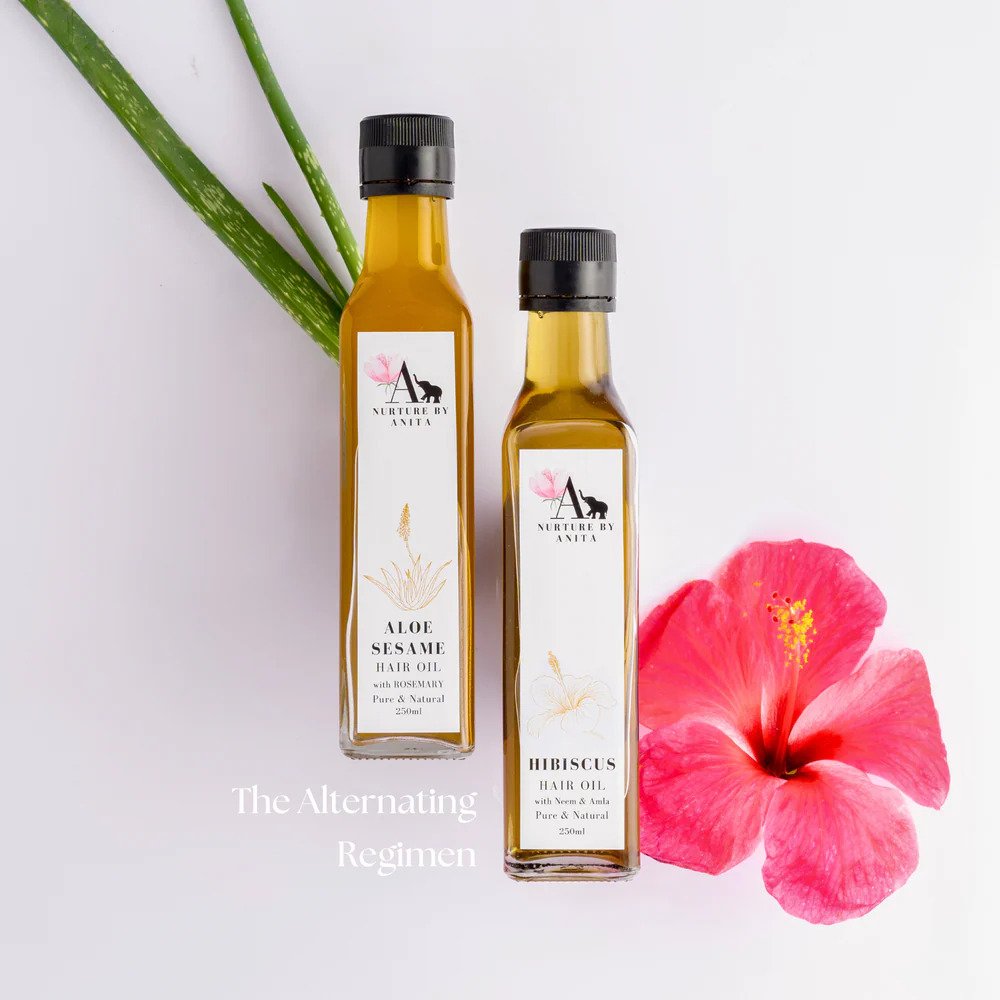
Many women prefer a well-formulated hibiscus hair oil because it combines nourishment with lightweight hydration, making it suitable for regular use.
Amla
Amla is widely known for its antioxidant properties. It has long been used in traditional hair care practices to help maintain stronger and healthier-looking hair.
Neem
Neem is often included in botanical hair oils because it supports scalp cleanliness and balance. A healthy scalp environment is essential for maintaining healthy hair.
Castor Oil
Castor oil is commonly used to nourish roots and improve the appearance of fuller hair. It remains one of the most popular ingredients in natural hair care.
Benefits of Using Natural Hair Oils
Supports Stronger Roots
Healthy roots are essential for maintaining healthy hair. Natural oils help provide nourishment directly to the scalp.
Improves Hair Texture
Regular oiling often results in softer and smoother hair that is easier to manage.
Helps Reduce Breakage
Dry and damaged hair is more likely to break. Nourishing oils help improve flexibility and resilience.
Encourages Healthy Scalp Care
A balanced scalp creates a better environment for healthy-looking hair.
Enhances Natural Shine
Hair oils help smooth the outer layer of the hair, improving shine and overall appearance.
Building an Effective Hair Care Routine
The best results come from consistency rather than using large amounts of product.
A simple weekly routine can include:
- Applying oil to the scalp.
- Gently massaging for a few minutes.
- Leaving the oil on for several hours.
- Washing with a mild shampoo.
- Repeating the process one or two times per week.
Combined with proper nutrition and hydration, this routine can support overall hair health.
Lifestyle Habits That Support Healthy Hair
Hair care products work best when combined with healthy daily habits.
Women can support healthier hair by:
- Eating a balanced diet
- Staying hydrated
- Managing stress
- Getting enough sleep
- Limiting excessive heat styling
- Protecting hair from environmental damage
These small habits can make a meaningful difference over time.
Why Quality Matters
Not all hair oils are created equally. The quality of ingredients plays a major role in determining how effective a product will be.
Brands such as Nurture By Anita focus on thoughtfully selected botanical ingredients that align with traditional wellness practices. By prioritizing ingredient quality and scalp nourishment, these formulations support a more holistic approach to hair care.
Conclusion
Hair fall can be frustrating, but healthy hair begins with consistent care and realistic expectations. Choosing the best hair oil for hair fall is not about finding a miracle product. It is about selecting ingredients that nourish the scalp, strengthen roots, and support long-term hair wellness.
As more women embrace natural beauty practices, botanical ingredients such as Hibiscus, Amla, Neem, and Castor Oil continue to prove their value. Combined with a healthy lifestyle and regular hair care routine, they can help support stronger, healthier-looking hair naturally.
Author Bio
Nurture By Anita creates botanical hair and skincare products inspired by traditional wellness rituals. Using carefully selected ingredients and small-batch formulations, the brand focuses on supporting healthy beauty routines through natural and thoughtful self-care practices.