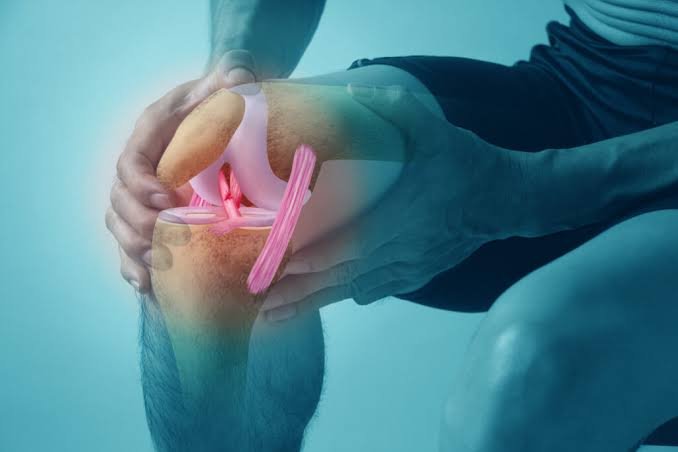
The meniscus plays a vital role in maintaining knee stability, absorbing shock, and enabling smooth movement. Whether caused by sports injuries, workplace accidents, or age-related degeneration, meniscal tears are among the most common orthopedic conditions affecting adults in the United States. As healthcare providers continue to emphasize joint preservation and faster recovery, treatment strategies have evolved from traditional tissue removal toward advanced repair techniques that aim to restore natural knee function.
Recent advances in orthopedic care have encouraged hospitals, ambulatory surgical centers, and sports medicine clinics to adopt innovative surgical technologies and minimally invasive procedures. According to insights available through orthopedic treatment research and industry analysis, healthcare providers are increasingly focusing on treatment approaches that improve patient outcomes while reducing recovery time and long-term complications.
Growing awareness among patients has also contributed to earlier diagnosis and intervention. Athletes, physically active individuals, and older adults are seeking medical evaluation sooner after knee injuries, allowing physicians to recommend treatment options that preserve the meniscus whenever possible. This shift has strengthened the importance of personalized treatment plans based on injury severity, patient age, activity level, and overall joint health.
Understanding Meniscus Injuries
The meniscus consists of two crescent-shaped cartilage structures located inside each knee joint. These tissues distribute body weight evenly across the knee while providing cushioning between the femur and tibia. When torn, patients often experience pain, swelling, stiffness, locking sensations, or difficulty performing daily activities.
Meniscal injuries occur for several reasons. Younger individuals often suffer acute tears during sports involving sudden twisting movements, while older adults commonly experience degenerative tears resulting from gradual cartilage wear. Because treatment requirements differ significantly between these patient groups, accurate diagnosis through physical examination and imaging remains essential before selecting the appropriate intervention.
The Shift Toward Meniscus Preservation
Historically, partial or complete meniscectomy was the preferred solution for many meniscal injuries. While removing damaged cartilage often relieved immediate symptoms, long-term clinical evidence has shown that excessive tissue removal may increase stress on the knee joint and contribute to osteoarthritis.
Modern orthopedic practice increasingly prioritizes preserving as much healthy meniscal tissue as possible. Repair procedures, biological augmentation, and tissue-preserving surgical techniques help maintain normal knee biomechanics while improving long-term joint function. This philosophy has influenced both physician training and medical device innovation throughout the orthopedic sector.
Technology Driving Better Patient Outcomes
Technological innovation has transformed meniscus treatment over the past decade. Arthroscopic surgery allows orthopedic surgeons to perform highly precise procedures through small incisions, minimizing tissue damage and reducing hospital stays. Patients typically experience faster rehabilitation compared with traditional open surgery.
Medical device manufacturers continue introducing specialized repair systems, improved fixation devices, advanced suturing technologies, and biologic solutions designed to enhance tissue healing. These innovations enable surgeons to treat more complex tear patterns while improving repair stability and preserving healthy cartilage whenever feasible.
In addition, improvements in diagnostic imaging allow clinicians to better identify tear location, severity, and associated ligament injuries before surgery, leading to more individualized treatment decisions.
Growing Demand Across Different Patient Groups
The need for meniscus treatment continues to expand due to multiple demographic and lifestyle factors. Active participation in recreational sports, fitness activities, and organized athletics contributes to traumatic knee injuries among younger populations. Meanwhile, increasing life expectancy has expanded the number of older adults experiencing degenerative knee disorders.
Healthcare providers are also seeing greater demand from patients who wish to maintain active lifestyles later in life. Rather than simply managing symptoms, many individuals seek treatments that preserve mobility, delay joint replacement, and support long-term quality of life.
Role of Healthcare Facilities
Hospitals remain major providers of complex orthopedic procedures due to their multidisciplinary surgical teams and advanced operating infrastructure. However, ambulatory surgical centers are becoming increasingly important for minimally invasive orthopedic procedures because they offer shorter stays, streamlined workflows, and cost-effective care.
Orthopedic specialty clinics also play an essential role by providing comprehensive diagnosis, rehabilitation, post-operative monitoring, and long-term patient management. Collaboration among surgeons, physiotherapists, sports medicine specialists, and rehabilitation professionals contributes significantly to successful recovery.
Importance of Rehabilitation After Surgery
Successful meniscus treatment extends beyond the operating room. Structured rehabilitation programs help patients regain strength, restore flexibility, improve balance, and safely return to daily activities or athletic performance. Rehabilitation protocols vary depending on the specific procedure performed and individual patient characteristics.
Physical therapy often focuses on controlled weight-bearing, progressive strengthening exercises, range-of-motion improvement, and gradual functional recovery. Close monitoring helps minimize complications while supporting long-term knee stability.
Future Outlook for Meniscus Care
The future of meniscus treatment is expected to focus increasingly on tissue preservation, regenerative medicine, biologic therapies, and precision surgical techniques. Researchers continue investigating improved repair materials, enhanced healing strategies, and patient-specific treatment approaches that may further improve clinical outcomes. Industry observations published by MarkNtel Advisors also indicate continued interest in technological innovation supporting orthopedic care delivery and evolving treatment practices across the United States.
As physicians continue balancing clinical effectiveness with patient-centered care, advances in surgical technology, rehabilitation, and early diagnosis are expected to strengthen treatment quality. The continued evolution of orthopedic medicine demonstrates how preserving joint function has become a central objective in managing meniscal injuries, benefiting both active individuals and the growing aging population.