Why Lack of Real-Time Tracking is Hurting Your Last-Mile Delivery Operations
By Will Jack 25-03-2026 178
In today’s fast-paced digital economy, customer expectations around delivery speed and transparency have reached an all-time high. With the rapid growth of eCommerce and on-demand services, businesses are under constant pressure to deliver goods quickly, accurately, and efficiently. This is where last-mile delivery plays a critical role, it is the final and most crucial step in the logistics journey.
However, many businesses still operate without real-time tracking technology, leading to inefficiencies, delays, and poor customer experiences. The lack of visibility across delivery operations can significantly impact both operational performance and brand reputation. In this article, we explore how the absence of real-time tracking is hurting last-mile delivery operations and why adopting it is no longer optional.
What is Real-Time Tracking in Last-Mile Delivery?
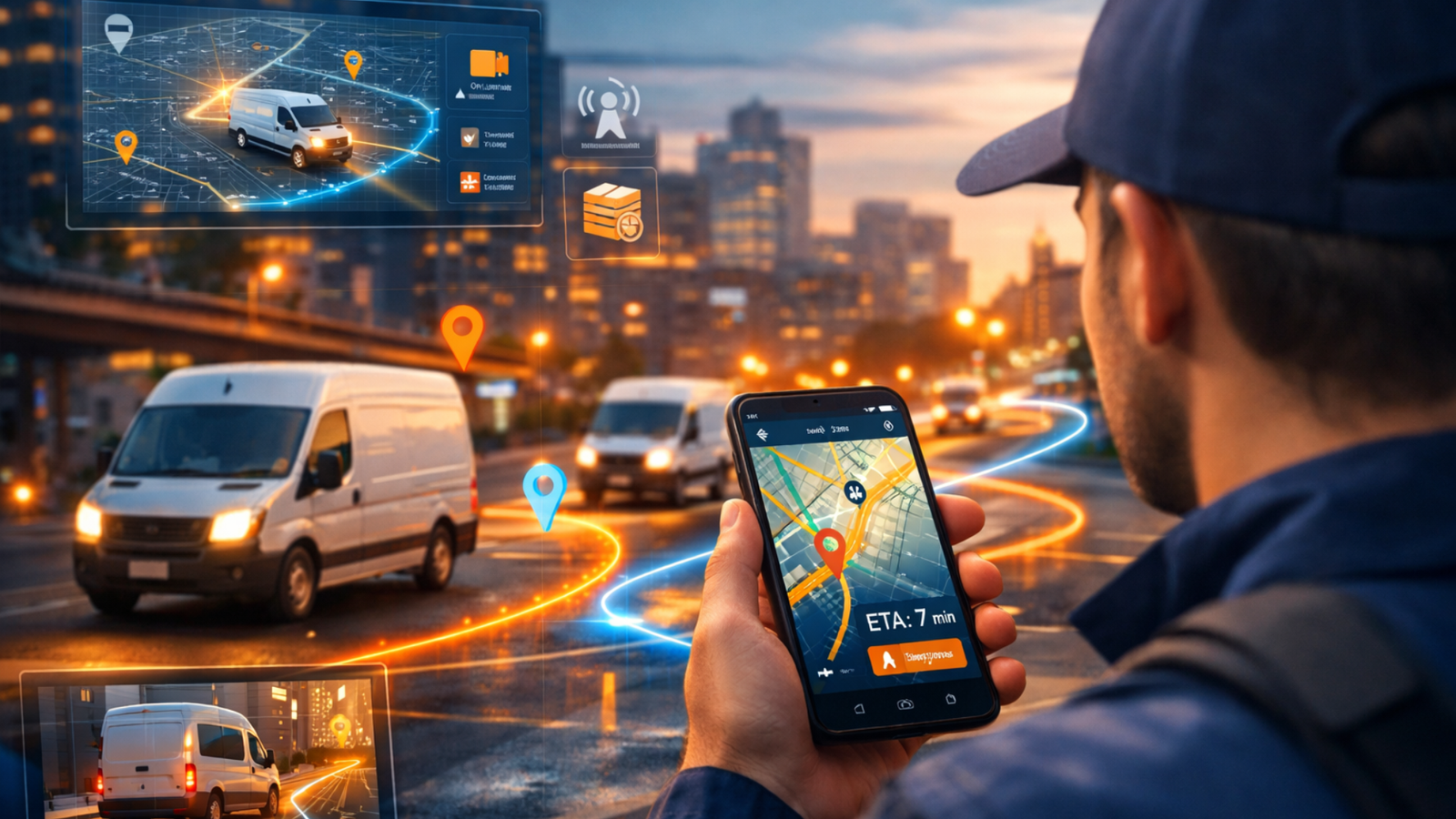
Real-time tracking in last-mile delivery refers to the ability to monitor the live location and status of delivery vehicles and shipments as they move toward their destination. Powered by technologies such as GPS, mobile applications, cloud-based platforms, and IoT devices, it provides businesses and customers with up-to-the-minute updates.
Modern last-mile delivery solutions use real-time tracking to offer complete visibility into delivery operations, enabling better decision-making, improved coordination, and enhanced customer communication.
Key Problems Caused by Lack of Real-Time Tracking
1. Poor Delivery Visibility
Without real-time tracking, businesses lack insight into where their deliveries are at any given moment. This results in uncertainty for both operations teams and customers. When customers cannot track their orders, it leads to frustration, repeated inquiries, and a loss of trust.
2. Increased Delivery Delays
Delivery delays are one of the most common challenges in last-mile logistics. Without live tracking, businesses cannot identify disruptions such as traffic congestion, route inefficiencies, or unexpected stops. This prevents proactive problem-solving and leads to missed delivery windows.
3. Higher Operational Costs
The absence of real-time tracking often results in inefficient route planning, increased fuel consumption, and excessive manual coordination. Dispatch teams rely heavily on phone calls and guesswork, which not only wastes time but also increases operational expenses.
4. Low Customer Satisfaction
Modern customers expect transparency and control over their deliveries. Without real-time updates and accurate ETAs, customers are left in the dark. This lack of communication negatively impacts their experience and reduces the likelihood of repeat business.
5. Inefficient Fleet Management
Without tracking systems, businesses cannot monitor driver behavior, route adherence, or delivery performance. This lack of accountability leads to inefficiencies, misuse of resources, and difficulty in measuring operational performance.
Impact on Business Performance
The lack of real-time tracking doesn’t just affect deliveries, it impacts the entire business ecosystem. Companies that fail to adopt modern tracking solutions often face:
- Reduced operational productivity
- Increased failed and return deliveries
- Higher customer support workload
- Negative brand perception
- Loss of competitive edge in the market
How Real-Time Tracking Solves These Challenges
1. Improved Visibility & Transparency
Real-time tracking provides complete visibility into delivery operations through live dashboards. Businesses can monitor every delivery in progress, while customers can track their orders in real time.
2. Optimized Route Planning
Advanced tracking systems leverage AI and data analytics to suggest the most efficient delivery routes. This reduces travel time, fuel consumption, and delivery delays.
3. Enhanced Customer Experience
With real-time notifications, live tracking links, and accurate ETAs, customers stay informed throughout the delivery journey. This transparency builds trust and improves overall satisfaction.
4. Better Fleet Management
Businesses gain insights into driver performance, route efficiency, and delivery timelines. This allows for better resource allocation, improved accountability, and higher productivity.
5. Cost Reduction & Operational Efficiency
By minimizing delays, optimizing routes, and reducing manual intervention, real-time tracking significantly lowers operational costs and boosts efficiency.
Future of Last-Mile Delivery with Real-Time Tracking
The future of last-mile delivery is being shaped by advanced technologies that go beyond basic tracking. Businesses are increasingly adopting:
- AI-powered predictive analytics for demand forecasting
- IoT-enabled smart tracking systems for enhanced accuracy
- Automated dispatch and routing systems
- Integration with customer experience platforms
Conclusion
The lack of real-time tracking in last-mile delivery operations is no longer just a minor inefficiency, it is a major business risk. From delayed deliveries and rising costs to poor customer satisfaction and lost revenue opportunities, the impact is significant.
To stay competitive in today’s logistics landscape, businesses must embrace real-time tracking technology. It not only enhances operational efficiency but also delivers the transparency and reliability that modern customers demand.