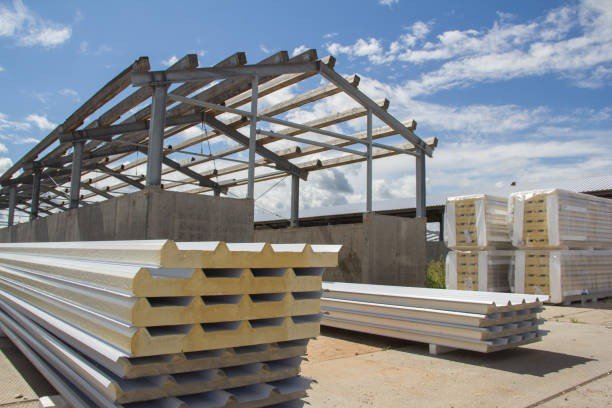
Modern construction projects increasingly prioritize energy efficiency, faster project completion, and long-term durability. As sustainability regulations become stricter and building owners seek cost-effective solutions, advanced construction materials are gaining widespread attention. Among these innovations, insulated panel systems are helping architects and developers create high-performance structures that balance structural integrity with environmental responsibility.
The Global Insulated Metal Panels Market reflects this transition toward efficient building solutions. According to the latest industry study by Markntel Advisor, the market was valued at approximately USD 15.51 billion in 2025 and is projected to reach USD 22.76 billion by 2032, expanding at a CAGR of approximately 5.85%. Growing adoption across commercial, industrial, and cold storage facilities continues to strengthen demand for energy-efficient building panels.
The increasing focus on sustainable infrastructure has encouraged builders to adopt materials that reduce operational energy consumption while simplifying installation. Insulated metal panel systems combine thermal insulation and structural strength into a single product, making them suitable for projects requiring improved indoor temperature control, reduced maintenance, and faster construction timelines.
Energy Efficiency Continues to Drive Market Growth
Energy conservation has become one of the most important considerations in modern construction. Governments, businesses, and property owners are investing in buildings that minimize energy losses and comply with increasingly stringent efficiency regulations. Insulated metal panels offer excellent thermal performance by reducing heat transfer through building envelopes, helping maintain stable indoor temperatures while lowering heating and cooling requirements.
Improved insulation also contributes to reduced carbon emissions over a building's operational life. These benefits make insulated panel systems particularly valuable for warehouses, manufacturing facilities, data centers, and commercial buildings where energy management directly influences operating costs. As sustainability initiatives continue expanding globally, demand for high-performance construction materials is expected to remain strong. According to the International Energy Agency (IEA), improving building efficiency remains one of the most effective approaches to reducing global energy demand.
Industrial and Commercial Construction Supports Adoption
Rapid industrialization, urban development, and expanding logistics infrastructure continue creating opportunities for insulated panel manufacturers. Distribution centers, cold storage warehouses, pharmaceutical facilities, and food processing plants require building materials capable of maintaining controlled environments while ensuring long-term structural reliability.
Commercial developers also appreciate the flexibility of insulated panels for office buildings, educational institutions, healthcare facilities, and retail spaces. Their combination of insulation performance, attractive appearance, and reduced installation complexity makes them a practical solution across diverse construction applications.
Technological Advancements Enhance Product Performance
Manufacturers continue investing in advanced production technologies to improve panel durability, fire resistance, weather protection, and aesthetic versatility. Innovations in coating technologies, core insulation materials, and panel fastening systems are enabling products that perform effectively even in demanding environmental conditions.
Digital design tools and prefabrication methods are also simplifying project planning and installation. Since insulated metal panels are manufactured with precise dimensions before arriving at construction sites, they help reduce material waste while improving installation efficiency and project scheduling. These manufacturing improvements continue supporting broader adoption across both developed and emerging construction markets.
Sustainability Goals Influence Material Selection
Environmental performance has become a major factor in selecting construction materials. Developers increasingly evaluate products based on lifecycle efficiency, recyclability, and environmental impact alongside traditional performance criteria. Insulated metal panels align well with green building initiatives because many systems incorporate recyclable materials while improving operational energy efficiency throughout a building's lifespan.
Certification programs promoting sustainable construction continue encouraging the use of materials that support lower energy consumption and improved environmental performance. These trends are expected to strengthen market demand as governments implement stricter building codes and sustainability regulations across residential, commercial, and industrial sectors.
Future Outlook
The global construction industry continues evolving toward smarter, more sustainable, and energy-efficient building practices. As developers seek solutions that improve operational performance while reducing environmental impact, insulated metal panels are positioned to remain an important component of modern building design.
Supported by ongoing technological innovation, expanding infrastructure investments, and increasing emphasis on sustainable construction, the Global Insulated Metal Panels Market is expected to maintain steady growth throughout the forecast period. Manufacturers focusing on product innovation, enhanced thermal performance, and environmentally responsible solutions are likely to remain well-positioned as construction priorities continue evolving. As per the study published by Markntel Advisor, these factors collectively support the market's projected expansion through 2032.