Why High-Traffic Buildings Struggle With Movement Stability During Peak Hours
By sunilkumar housysgroup 28-05-2026 500
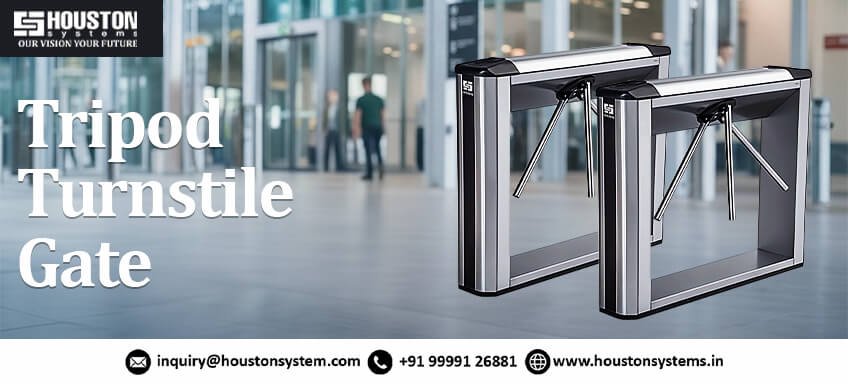
In many large buildings, the busiest operational period lasts less than an hour.
Yet during that short window, entrances often experience the highest level of pressure seen throughout the entire day.
Employees arrive within minutes of one another. Visitors enter simultaneously. Lobby areas become denser. Movement slows before most workplace activity has even started.
What makes these situations difficult is that instability rarely appears dramatic in the beginning.
A delayed queue here.
A crowded access lane there.
People adjusting their movement around congestion without consciously thinking about it.
Over time, however, these repeated patterns begin affecting how consistently the environment functions during peak movement periods.
Why Peak-Hour Movement Creates Different Operational Challenges
Movement behavior changes significantly once facilities begin handling dense traffic within compressed time windows.
In lower-volume environments, minor inconsistencies are usually manageable.
But in high-traffic buildings, even small disruptions spread quickly because movement pressure is continuous rather than occasional.
This becomes especially noticeable in:
- Corporate office towers
- Multi-tenant commercial buildings
- Industrial facilities during shift transitions
- Business environments handling large visitor volumes
In many cases, organizations focus on the number of people entering a building while underestimating how movement behavior changes when density increases.
That difference matters more than many facilities initially expect.
Congestion Often Starts Before Queues Become Visible
One of the more overlooked aspects of movement instability is that congestion usually begins before long queues actually form.
People start slowing slightly near entrances.
Movement patterns become less direct.
Employees begin shifting between lanes searching for faster access points.
These subtle adjustments gradually reduce movement consistency across the entire entrance area.
In some commercial buildings, the pressure becomes most noticeable between 8:40 and 9:10 AM, when several departments or companies begin arriving within the same short period.
At that stage, movement flow becomes less predictable even if the entry system itself continues operating normally.
Why Stable Flow Matters More Than Raw Entry Speed
Many facilities attempt to solve congestion by focusing only on processing speed.
But stable movement flow is often more important than speed alone.
An entrance capable of handling high traffic volume can still create operational friction if movement becomes uneven or unpredictable during busy periods.
This often leads to situations where:
- Certain lanes become overloaded
- Employees cluster near specific access points
- Manual coordination increases unexpectedly
- Movement distribution becomes inconsistent across the entrance area
Facilities experiencing continuous traffic pressure generally require movement environments designed around consistency, not simply faster access.
Structured Movement Helps Reduce Peak-Hour Instability
Open movement environments tend to become harder to manage as traffic density increases.
Structured movement layouts help reduce this pressure by creating:
- More balanced lane utilization
- Clearer movement direction during busy periods
- Reduced clustering near entrances
- More predictable flow patterns across access areas
Many organizations implement movement stability infrastructure because it supports smoother operational flow in environments where movement volume changes rapidly throughout the day.
The benefit extends beyond access management itself.
It helps facilities maintain operational rhythm during periods where traffic pressure is highest.
Why Movement Instability Affects Surrounding Operations
Movement slowdowns near entrances rarely stay isolated for long.
Once congestion develops, the impact often spreads into surrounding operational areas such as:
- Elevator waiting zones
- Reception spaces
- Visitor processing areas
- Workforce coordination timing
This is one reason facilities increasingly treat movement stability as part of operational infrastructure planning rather than standalone entry control.
In high-density environments, predictable movement supports overall workplace consistency far more than many organizations initially recognize.
Facilities Under Continuous Pressure Require Predictable Movement
Large buildings handling daily traffic surges require more than basic entry management.
They require environments capable of maintaining reliable movement behavior even when traffic density increases sharply within short periods.
Organizations that improve movement stability during peak hours often experience:
- More consistent workforce flow
- Reduced congestion buildup
- Lower dependence on reactive coordination
- Better operational predictability throughout the day
These improvements may appear subtle individually, but together they significantly influence how efficiently high-traffic environments operate over time.
Final Perspective
Peak-hour congestion is rarely caused by a single major failure.
More often, it develops through repeated movement instability that gradually affects operational consistency across the facility.
Buildings that maintain predictable movement flow during busy periods tend to operate more smoothly not only at entrances, but throughout the broader workplace environment as well.
In high-traffic facilities, stable movement is no longer just a convenience.
It is part of operational reliability itself.