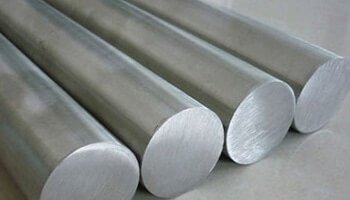
Material selection for critical process equipment often involves severe operational challenges. Engineers regularly face premature component failure, unpredicted downtime, and aggressive chemical exposure caused by standard metal degradation. The usual stainless grades fail to withstand extreme environments. Alloy 20 is a nickel-iron-chromium alloy that was developed for use in severe oxidising and acid environments. This guide looks at the practical reasons why engineers specify alloy 20 round bar stock over standard industrial materials for critical plant equipment.
What Makes Alloy 20 Different From Standard Engineering Alloys?
The composition of this material is different from the usual austenitic stainless grades. A high content of nickel and chromium, together with additions of molybdenum and copper. Niobium is added to reduce carbide precipitation when exposed to high temperatures or welding. This unique chemical composition is used for preventing S.C.C. and general corrosion in severe acidic solutions. An alloy 20 bar is used by industrial fabricators for rigid parts that require long-term metallurgical stability, and where a high rate of material loss is undesirable under direct chemical contact.
6 Reasons Engineers Select Alloy 20 Bars
1. Strong Performance in Corrosive Environments
Standard metals break down quickly when exposed to hot sulfuric, nitric, and phosphoric acids. Alloy 20 handles sulfuric acid concentrations exceptionally well across various operating temperatures. Selecting this grade for critical hardware ensures parts remain functional without thinning or structural breakdown under continuous industrial chemical exposure.
2. Better Protection Against Localized Corrosion
Pitting and crevice attacks are dangerous because they cause sudden component failure without significant overall metal loss. The combined presence of molybdenum, copper, and chromium in the alloy protects stagnant areas, machined threads, and joint crevices from severe localized chloride or acid attack during active service.
3. Suitable for Chemical Processing Applications
Chemical processing plants operate with mixed reagents, fluctuating temperatures, and aggressive process streams. Selecting Alloy 20 bar stock gives engineers a dependable material option for processing equipment handling synthetic fibers, agricultural chemicals, heavy solvents, petrochemicals, and pickling solutions without unexpected chemical reactions.
4. Supports Longer Component Service Life
Frequent equipment maintenance causes expensive plant shutdowns and lost production hours. Components fabricated from this grade resist premature cracking, erosion, and chemical thinning. The resulting operational stability extends the service life of internal equipment parts, reducing overall replacement frequency and routine maintenance interventions.
5. Useful for Machined Industrial Components
Solid bar forms allow machinists to turn, drill, and thread custom shapes without compromising core material strength. Machinists readily produce components like pump shafts, industrial fasteners, high-pressure valve internals, and specialized fluid fittings directly from round bar stock for tight-tolerance mechanical assemblies.
6. Offers a Balance of Performance and Reliability
Selecting materials is not just about tensile strength or chemical resistance alone. Alloy 20 balances corrosion defense, good fabricability, ductility, and structural yield strength. This well-rounded mechanical performance profile prevents sudden brittle failures while maintaining dimensional stability in demanding plant operating conditions.
Which Critical Components Can Be Made From Alloy 20 Bars?
Machining critical parts from solid bar forms helps plants maintain dimensional stability and chemical resistance across fluid handling and pressure-retaining mechanical assemblies.
Valve Components
Internal valve parts like stems, discs, and trims control aggressive fluid flow and require resistance to erosion, chemical attack, and galling under high line pressures.
Pump Components
Pump impellers, wear rings, and wet-end parts contact fast-moving chemical liquids where standard steel would suffer from combined mechanical erosion and rapid chemical corrosion.
Shafts and Machined Parts
Drive shafts and rotating equipment parts face continuous torque and exposure. Alloy 20 provides the needed mechanical toughness without cracking under harsh chemical contact.
Fasteners and Custom Components
Bolts, nuts, studs, and custom-machined fittings hold pressure equipment together. Using this alloy prevents fastener failure and seized threads in corrosive plant environments.
How to Select the Right Alloy 20 Bar for Critical Equipment?
Proper procurement requires evaluating both operating conditions and mechanical specifications before issuing purchase orders for industrial round bar materials.
Evaluate the Chemical Environment
Identify the primary chemicals, active concentrations, maximum operating temperatures, and expected operational exposure periods before selecting material dimensions or purchasing bar inventory for production.
Define Size and Dimensional Requirements
Specify the exact diameter, length, and cross-section tolerances needed. Include sufficient machining allowances so finished turned parts match technical drawings without surface defects.
Check Mechanical Requirements
Review the required yield strength, hardness values, and impact toughness based on dynamic operational loads and system pressure conditions the finished parts must handle.
Verify Standards and Documentation
Confirm that the supplied bars meet relevant ASTM, ASME, or international standards. Require material test reports (MTRs) to confirm chemical analysis and mechanical properties.
Choose a Reliable Supplier
Work with an established material stockholder that provides complete traceability, dimensional precision, accurate mill test certificates, and prompt technical support for your orders.
Are Alloy 20 Bars the Right Choice for Your Equipment?
When fluid streams involve aggressive acids or severe chemical mixtures, conventional stainless grades like 304 or 316 fail prematurely. Alloy 20 bars provide the metallurgical resistance needed to protect high-stress, machined parts from unexpected failure. Specifying this alloy helps engineers ensure uninterrupted equipment operation where process reliability and safety take priority over base material costs.
Conclusion
Selecting the right materials for critical plant components prevents unexpected shutdowns and high maintenance expenses. Alloy 20 bar stock provides dependable resistance against aggressive chemical degradation, localized pitting, and mechanical wear under severe processing conditions. Sangeeta Metal supplies certified, fully traceable Alloy 20 bars manufactured to precise industrial standards for demanding engineering applications.
Tags : Alloy 20 Bars