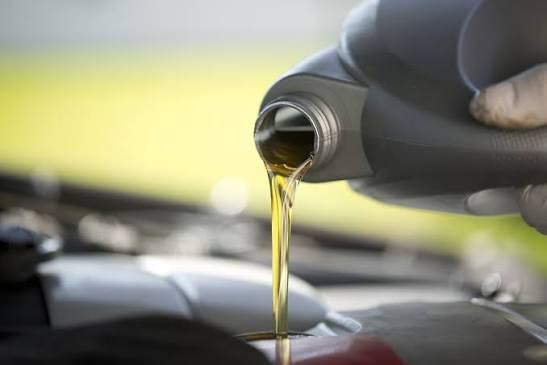
Two-wheelers remain the preferred mode of transportation across many Southeast Asian countries due to their affordability, fuel efficiency, and ability to navigate congested urban roads. As motorcycle ownership continues to expand, the demand for high-quality engine oil has become increasingly important. Engine oil not only lubricates moving components but also helps improve engine efficiency, reduce wear, and extend vehicle life, making it an essential part of regular maintenance.
Growing awareness of preventive vehicle maintenance has encouraged consumers to choose premium lubrication solutions that improve performance and reliability. Recent insights on motorcycle lubricant demand indicate that changing consumer preferences, expanding aftermarket services, and advancements in lubricant technology are reshaping the regional landscape.
In addition to rising motorcycle ownership, urbanization and the rapid growth of delivery services have increased the daily utilization of two-wheelers. Higher vehicle usage naturally results in more frequent oil replacement cycles, creating sustained demand for engine oils that offer better thermal stability, fuel efficiency, and engine protection across varying riding conditions.
Expanding Two-Wheeler Ownership Drives Lubricant Consumption
Southeast Asia is home to one of the world's largest populations of motorcycle users. In countries such as Indonesia, Vietnam, Thailand, and the Philippines, motorcycles serve as the primary mode of transportation for millions of commuters. As the number of vehicles on the road grows, regular servicing and engine oil replacement become critical for maintaining vehicle performance and minimizing repair costs.
The expanding fleet also supports a vibrant aftermarket ecosystem consisting of service centers, dealerships, independent workshops, and automotive retailers. This widespread service network ensures easy access to engine oil products while encouraging routine maintenance among vehicle owners. These factors continue to strengthen long-term demand for premium lubrication solutions.
Consumer Preference Is Shifting Toward Premium Engine Oils
Modern motorcycle engines operate under higher temperatures and stricter emission requirements than previous generations. As a result, riders are increasingly selecting synthetic and semi-synthetic oils that provide improved viscosity stability, cleaner engine operation, and longer service intervals compared with conventional mineral oils.
Consumers are also becoming more informed about the long-term cost benefits of premium lubricants. Although synthetic oils often carry a higher upfront price, their ability to reduce engine wear and improve fuel efficiency makes them an attractive option for riders who depend on their motorcycles for daily commuting or commercial transportation.
Technology Innovation Is Transforming Engine Oil Formulations
Lubricant manufacturers continue investing in research to develop advanced formulations capable of supporting modern engine designs. Improved additive packages, oxidation resistance, and enhanced thermal performance enable engine oils to deliver better protection under demanding operating conditions, including heavy traffic and tropical climates commonly found across Southeast Asia.
These technological improvements also align with changing consumer expectations. Riders increasingly seek products that help maintain engine cleanliness, improve mileage, and reduce maintenance frequency without compromising performance, encouraging manufacturers to introduce more specialized lubrication products.
Environmental Regulations Influence Product Development
Governments throughout Southeast Asia are implementing stricter environmental and waste management regulations that influence lubricant manufacturing and disposal practices. Compliance with evolving standards encourages companies to develop cleaner formulations with improved environmental performance while promoting responsible recycling and disposal of used engine oil.
Manufacturers are also emphasizing sustainable production practices and environmentally responsible product development to meet regulatory requirements and changing customer expectations. This transition supports long-term innovation throughout the regional lubricant industry.
Indonesia Continues to Lead Regional Demand
Among Southeast Asian countries, Indonesia represents one of the strongest markets for two-wheeler engine oil due to its extensive motorcycle population, growing domestic vehicle production, and high dependence on motorcycles for everyday mobility. Frequent vehicle usage, combined with regular maintenance habits, contributes significantly to lubricant consumption across both urban and rural regions.
The country's large manufacturing base for motorcycles further supports original equipment demand while strengthening aftermarket opportunities for lubricant suppliers serving millions of active riders.
Looking Ahead
The future of Southeast Asia's two-wheeler engine oil landscape will continue to be shaped by expanding motorcycle ownership, advances in lubricant technology, stronger environmental regulations, and increasing consumer awareness regarding vehicle maintenance. Companies that focus on product innovation, quality, and efficient distribution networks are expected to remain well-positioned as demand for reliable engine protection continues to evolve across the region.