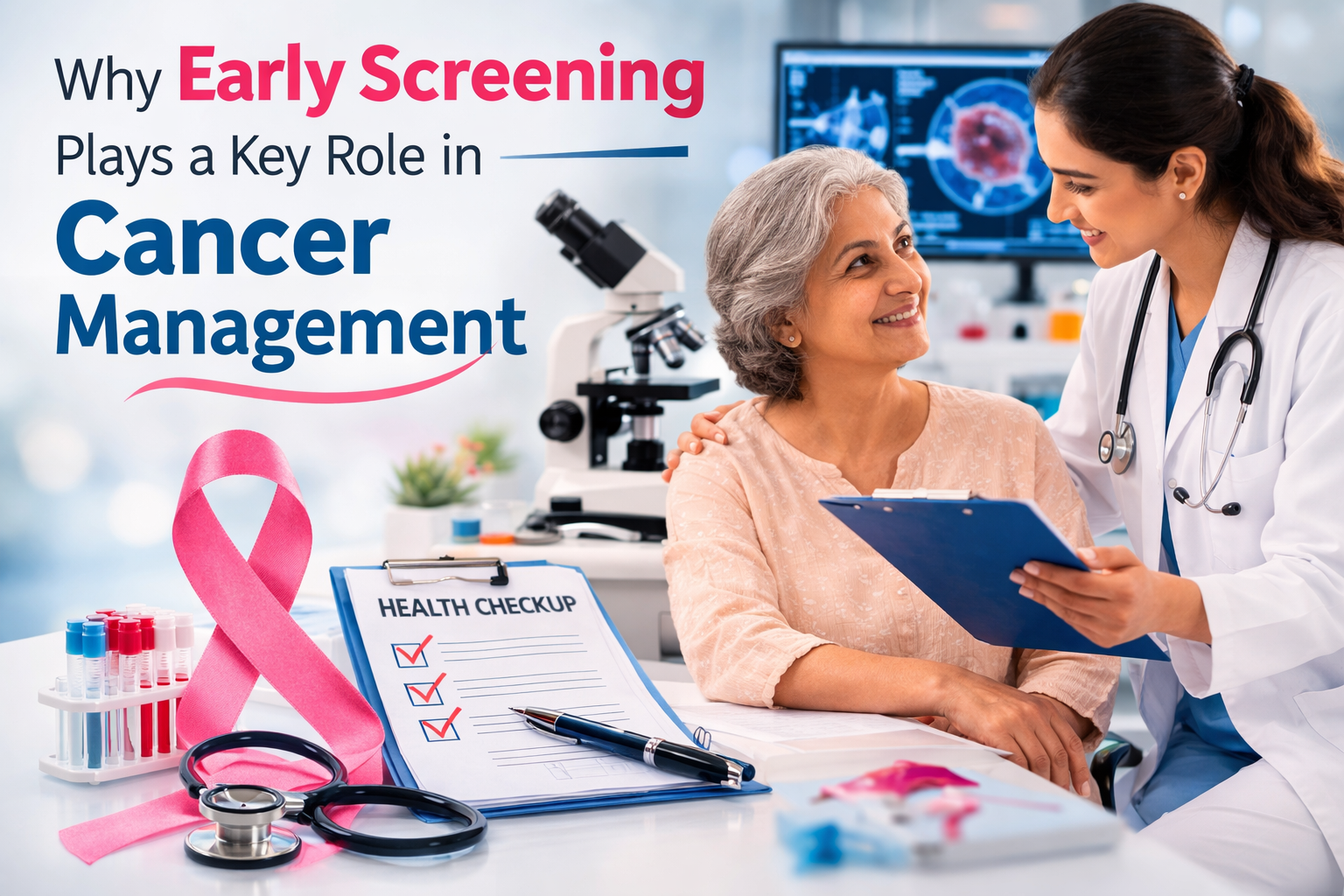
Cancer remains one of the most serious health concerns worldwide, but advances in medical science have significantly improved the chances of successful treatment. One of the most powerful tools in managing cancer effectively is early screening. Detecting cancer in its early stages often makes treatment easier, less invasive, and more successful. Regular health evaluations and screening programs conducted through reliable Diagnostic Labs In Chennai help individuals identify potential health issues before symptoms become severe. Early awareness allows doctors to begin treatment at the right time, improving survival rates and overall quality of life.
Understanding the Importance of Early Detection
Early screening refers to medical tests performed before noticeable symptoms appear. Many types of cancer develop gradually and may not show clear warning signs in the initial stages. By the time symptoms appear, the disease might have progressed significantly. Screening tests help detect abnormal cells or early tumors, allowing doctors to intervene before the condition worsens.
The earlier cancer is detected, the more treatment options become available. Treatments such as surgery, targeted therapy, radiation therapy, and chemotherapy tend to be more effective when cancer is diagnosed at an early stage. Early detection also reduces the need for aggressive treatments and helps patients recover faster.
How Screening Helps in Preventing Advanced Disease
Cancer screening plays a crucial role in preventing the spread of disease. Some screening tests can even detect precancerous changes in cells before they turn into cancer. Identifying and treating these abnormal changes early can completely prevent the development of cancer in some cases.
For example, screening tests like mammograms, Pap smears, colonoscopies, and blood tests are widely used to detect early signs of different types of cancer. These tests allow healthcare professionals to monitor any changes in the body and take preventive action. As medical technology continues to improve, screening methods are becoming more accurate, safer, and more accessible to people of all age groups.
The Role of Advanced Diagnostic Technology
Modern diagnostic tools have transformed the way cancer is detected and monitored. Imaging technologies, laboratory tests, and genetic screenings help doctors identify abnormalities with greater precision. Advanced laboratory testing can reveal tumor markers, abnormal cell growth, or genetic mutations that indicate the presence of cancer.
Reliable laboratory facilities play a major role in this process by ensuring accurate test results. When diagnostic services are efficient and precise, doctors can make informed decisions regarding further testing and treatment plans. This improves the chances of detecting cancer at the earliest possible stage.
Benefits of Early Screening for Patients
Early screening offers several important benefits for patients and their families. One of the most significant advantages is the increased likelihood of successful treatment. When cancer is detected early, the disease is usually localized and has not yet spread to other parts of the body. This allows doctors to remove or treat the affected area more effectively.
Another major benefit is the reduced cost of treatment. Early-stage cancer treatment generally requires fewer medical procedures and shorter hospital stays compared to treatment for advanced cancer. Patients also experience less physical and emotional stress when the disease is managed early.
Early screening also improves long-term health outcomes. Patients diagnosed in the early stages often have better survival rates and a higher chance of living a normal life after treatment. Regular monitoring ensures that any recurrence or complications are identified quickly.
Encouraging Awareness and Regular Health Checkups
Despite the clear benefits of early screening, many people still delay medical checkups due to fear, lack of awareness, or busy lifestyles. Raising awareness about the importance of regular health screenings is essential in preventing late-stage diagnoses.
Healthcare providers encourage individuals to undergo routine medical examinations based on their age, family history, and lifestyle factors. People with a family history of cancer or those exposed to certain environmental risks may need more frequent screenings.
Public health campaigns, community awareness programs, and accessible healthcare services all play a vital role in encouraging individuals to prioritize their health. Educating people about the warning signs of cancer and the benefits of early detection can lead to more proactive health decisions.
Personalized Screening Based on Risk Factors
Not all individuals have the same risk of developing cancer. Factors such as genetics, age, lifestyle habits, and environmental exposure influence a person's likelihood of developing certain types of cancer. Personalized screening programs help identify individuals who may benefit from more frequent or specialized testing.
Doctors may recommend specific screening schedules depending on a patient’s medical history. For instance, individuals with a strong family history of breast or colorectal cancer may require earlier or more frequent testing. Personalized care ensures that high-risk individuals receive timely medical attention.
The Role of Specialized Treatment Centers
While early screening helps detect cancer, proper treatment and follow-up care are equally important. Patients diagnosed through screening programs often require specialized care to manage their condition effectively. Multidisciplinary teams consisting of oncologists, surgeons, radiologists, and other specialists work together to provide comprehensive treatment.
Advanced healthcare facilities such as a trusted Cancer Hospital In Chennai offer integrated services that include diagnosis, treatment, rehabilitation, and long-term monitoring. These centers are equipped with modern technology and experienced medical professionals who guide patients through every stage of care.
Building a Culture of Preventive Healthcare
One of the most effective ways to reduce the impact of cancer is to promote preventive healthcare. Encouraging people to prioritize routine health checkups and screenings can lead to earlier diagnoses and better treatment outcomes. Preventive healthcare also focuses on maintaining healthy lifestyles, including balanced nutrition, regular physical activity, avoiding tobacco, and limiting alcohol consumption.
Governments, healthcare organizations, and community leaders all share the responsibility of promoting preventive health practices. By making screening services widely available and affordable, more individuals can benefit from early detection and timely treatment.
Conclusion
Early screening plays a vital role in improving cancer management and saving lives. Detecting cancer in its early stages allows for more effective treatment, fewer complications, and better survival rates. Advances in medical technology and diagnostic services have made screening more accurate and accessible than ever before.
Regular health checkups, increased awareness, and access to reliable healthcare facilities can make a significant difference in how cancer is diagnosed and treated. By embracing early screening and preventive healthcare practices, individuals can take an active role in protecting their health and ensuring better outcomes for themselves and their families.