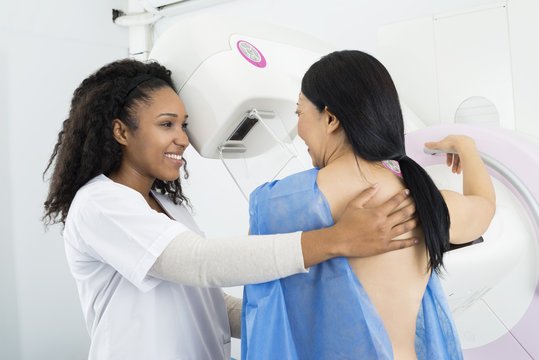
Breast cancer continues to be one of the most significant health concerns for women worldwide, making early detection an essential component of effective healthcare systems. In the United Arab Emirates, growing awareness campaigns, improved healthcare infrastructure, and greater access to advanced diagnostic technologies are encouraging more women to undergo routine breast examinations. Mammography has become a critical tool in identifying abnormalities at an early stage, improving treatment outcomes and reducing mortality risks.
The UAE's healthcare sector has increasingly prioritized preventive care, supported by investments in modern diagnostic facilities and nationwide awareness initiatives. These developments have strengthened the adoption of digital imaging technologies while encouraging healthcare providers to expand breast cancer screening services across hospitals, diagnostic centers, and specialized clinics.
As healthcare providers continue to modernize imaging capabilities, advanced mammography systems are becoming more accessible throughout the country. According to the latest analysis by MarkNtel Advisors, the breast imaging technology outlook in the UAE highlights sustained investment in diagnostic innovation, supported by increasing demand for early detection services and improvements in women's healthcare infrastructure. The study projects the UAE Mammography Market to grow from USD 30.23 million in 2026 to USD 51.45 million by 2032, at a CAGR of 9.27%.
Growing Awareness Is Encouraging Preventive Healthcare
Public awareness campaigns have significantly changed attitudes toward breast cancer screening across the UAE. Healthcare authorities, hospitals, and non-profit organizations regularly conduct educational initiatives that encourage women to schedule routine mammograms. These campaigns emphasize that detecting breast cancer before symptoms appear can greatly improve treatment success while reducing the need for more invasive medical procedures.
As awareness increases, more women are participating in routine screenings rather than waiting until symptoms develop. This preventive approach is gradually becoming part of regular healthcare practices, particularly among women within recommended screening age groups.
Digital Mammography Is Transforming Diagnosis
The transition from conventional imaging systems to digital mammography has improved both diagnostic accuracy and operational efficiency. Digital systems provide higher-resolution images, faster processing times, and easier image storage, enabling radiologists to identify subtle abnormalities with greater confidence.
Healthcare facilities are also integrating artificial intelligence into imaging workflows. AI-assisted mammography helps radiologists prioritize suspicious findings, reduce interpretation time, and support consistent clinical decision-making. These technological advancements are enhancing diagnostic precision while improving patient experience across screening programs.
Healthcare Infrastructure Continues to Expand
The UAE has consistently invested in modern healthcare infrastructure, creating an environment where advanced diagnostic technologies can be adopted rapidly. New hospitals, specialized diagnostic centers, and comprehensive cancer care facilities are expanding access to mammography services across multiple emirates.
Healthcare providers are increasingly offering integrated women's health programs that combine routine examinations, imaging services, specialist consultations, and follow-up care. This coordinated approach improves patient convenience while supporting earlier diagnosis and more personalized treatment planning.
Artificial Intelligence Supports Better Clinical Outcomes
Artificial intelligence has emerged as one of the most promising developments in breast imaging. AI algorithms assist radiologists by identifying suspicious tissue patterns, highlighting areas requiring closer examination, and reducing the likelihood of overlooked abnormalities. Rather than replacing clinicians, these technologies serve as decision-support tools that improve workflow efficiency.
The growing adoption of AI-enabled mammography platforms reflects the healthcare sector's commitment to improving diagnostic quality while managing increasing screening volumes. As software capabilities continue to evolve, healthcare providers are expected to benefit from enhanced consistency and faster reporting times.
Challenges Still Require Attention
Despite notable progress, several challenges remain. Screening participation among eligible women can still vary because of cultural perceptions, limited awareness in certain communities, or concerns regarding medical procedures. Addressing these barriers requires continued public education alongside accessible screening programs.
Healthcare providers must also ensure that diagnostic services remain available across urban and developing regions. Expanding specialist training, maintaining advanced imaging equipment, and strengthening patient follow-up systems will remain important priorities for sustaining long-term improvements in breast healthcare.
Future Outlook
The future of breast imaging in the UAE appears closely connected with continued technological innovation, preventive healthcare strategies, and expanding access to specialized diagnostic services. Digital mammography, artificial intelligence, and integrated healthcare delivery models are expected to strengthen early detection capabilities while supporting improved clinical outcomes for patients.
As breast cancer awareness continues to increase, healthcare organizations are likely to focus on making routine screening more accessible, efficient, and patient-centered. These ongoing developments demonstrate how investments in advanced diagnostic technologies can contribute to stronger public health outcomes and reinforce the importance of early breast cancer detection within the UAE's evolving healthcare landscape.