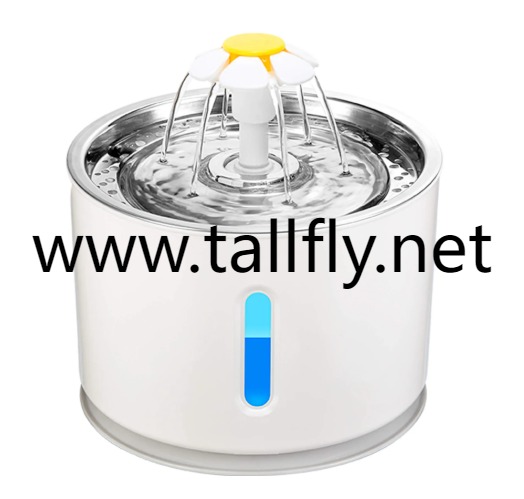
Understanding filtration mechanisms helps caregivers make informed decisions about water quality maintenance for their companions. Various filter materials perform distinct functions addressing different contamination types and water quality concerns. Consulting a Pet Water Fountain Factory about available filtration options reveals why multi stage systems combining different materials often provide more comprehensive purification than single media approaches.
Carbon filtration excels at removing dissolved impurities affecting water taste and odor. Activated carbon's porous structure contains millions of microscopic pores creating vast surface area that adsorbs chemicals, chlorine, and organic compounds as water passes through. This chemical adsorption makes water taste fresher and more appealing, encouraging increased consumption particularly from companions sensitive to chemical flavors in tap water. However, carbon proves ineffective against particulate matter like hair and debris requiring mechanical filtration.
Foam filters provide mechanical filtration capturing physical particles suspended in water. The dense foam structure creates maze like pathways forcing water through tight spaces where hair, food particles, and sediment become trapped. This physical barrier prevents debris recirculation keeping water visibly cleaner between maintenance sessions. Foam density determines filtration fineness with tighter structures catching smaller particles while potentially restricting flow if debris accumulation blocks passages.
Mesh screens offer coarse mechanical filtration capturing larger debris before it reaches finer filter stages. These preliminary barriers extend downstream filter life by preventing large particle accumulation that would quickly clog more delicate filtration media. Hair, food chunks, and visible debris get caught at mesh level protecting carbon and foam filters from premature saturation. Regular mesh cleaning maintains flow rates and overall system efficiency.
Ion exchange resins target dissolved minerals affecting water hardness and mineral content. These specialized resins swap undesirable mineral ions for more benign alternatives reducing scale buildup and potentially improving water palatability in areas with very hard water. However, ion exchange proves unnecessary in soft water regions and requires specific regeneration or replacement schedules maintaining effectiveness.
Ceramic filters provide long lasting mechanical filtration through porous ceramic materials that trap bacteria and fine particles. The rigid structure resists compression maintaining consistent pore size and filtration effectiveness over extended periods. Ceramic elements often allow cleaning and reuse rather than requiring complete replacement, though this durability comes with higher initial costs and potential breakage risks.
Multi layer filtration combines materials in sequential stages addressing different contamination types systematically. Water typically passes through coarse mechanical filters first removing large debris, then through finer foam or ceramic stages capturing smaller particles, and finally through carbon layers removing dissolved impurities. This progressive refinement achieves more comprehensive purification than single media systems.
Replacement frequency varies dramatically between filter types affecting ongoing maintenance requirements and costs. Foam and mesh filters tolerate rinsing and reuse extending functional life before replacement becomes necessary. Carbon effectiveness diminishes gradually as adsorption sites become saturated requiring periodic replacement maintaining taste and odor removal capability. Understanding these replacement schedules helps budget ongoing filtration costs beyond initial purchase prices.
Flow rate impacts relate to filter density and debris accumulation. Tighter filtration captures more contaminants but may restrict water flow if maintained inadequately. Balancing filtration thoroughness against maintaining adequate circulation requires understanding how different materials affect pump performance and water movement appeal.
Maintenance accessibility determines practical filter care sustainability. Easily accessible filters encourage regular cleaning and timely replacement maintaining system effectiveness. Complex assemblies requiring extensive disassembly for filter access may discourage proper maintenance allowing filtration effectiveness to decline as caregivers postpone inconvenient servicing.
Material quality affects both filtration performance and safety. Food grade materials prevent leaching of undesirable substances into water during filtration process. Quality carbon sources provide consistent adsorption capacity while inferior materials may contribute dust or particles degrading rather than improving water quality.
Understanding how different filtration materials function guides system selection matching specific water quality concerns and maintenance preferences. Comprehensive filtration supporting water appeal and safety encourages the increased consumption benefiting companion health long term. For hydration systems incorporating thoughtfully designed multi stage filtration addressing various water quality factors, visit Tallfly's website to explore options suited to different water source characteristics and filtration priorities.