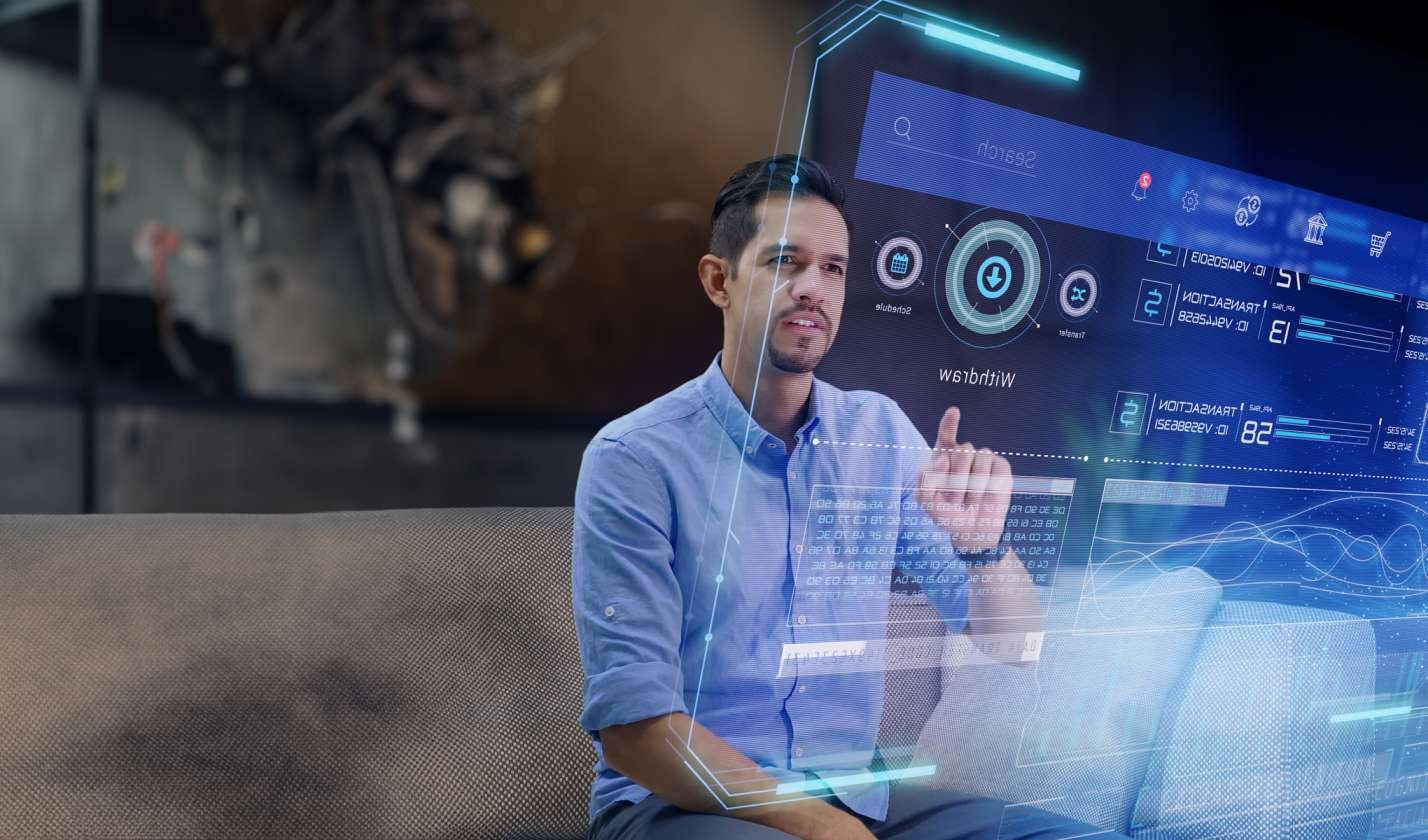
Face it, your laptop probably knows more about you than anyone else. It holds your bank info, your work, your private chats—everything. And with all that valuable stuff in one spot, you can bet someone is always trying to get in.
So why do so many of us still pick laptops based on screen size? That's an outdated way of thinking. The question you really need to ask is, "How tough is this machine to break into?"
This isn't just an issue for students looking for a laptop for cybersecurity projects. This is for everyone. We'll show you what matters when you're searching for the best laptops for cybersecurity in 2025, because keeping your digital life locked down is no longer optional.
Why Cybersecurity Features Are Important in Modern Laptops
The landscape of cyber threats has evolved from simple viruses to advanced ransomware, phishing schemes, and spyware that can operate undetected. This makes robust, hardware-integrated security a fundamental necessity, not an optional extra.
The need for powerful cybersecurity laptops is driven by several key factors:
- Hackers are using AI and advanced techniques to bypass traditional antivirus software
- With more people working from home or public spaces, devices are frequently connected to unsecured networks
- Personal and corporate data is incredibly valuable. Laptops are treasure troves of this data, making them prime targets
- For professionals, data protection isn't just good practice; it's often a legal requirement (like GDPR or HIPAA).
Key Cybersecurity Features to Look for in a Laptop
Here’s a laptop security features guide to help you identify what truly matters when looking for laptops with cybersecurity features.
Biometric Authentication (Fingerprint Readers & IR Cameras)
Passwords get stolen or forgotten; your face and fingerprint don't. It's faster and more secure, and since it's standard on most of the best laptops for cybersecurity students, there's no excuse not to use it.
Trusted Platform Module (TPM) 2.0
It’s a hardware chip for your encryption keys. If the laptop you're looking at doesn't have it, just walk away.
Full-Disk Encryption (FDE)
This is what turns your stolen laptop’s hard drive into a useless brick for the thief.
Secure Boot & UEFI Firmware
How do you stop malware that loads before your antivirus? This is how. It checks your software during boot-up and stops anything that looks sketchy.
Webcam Privacy Shutters & Mic Kill Switches
Any software can be hacked. A physical slider covering your camera lens cannot. It's the only thing that actually works.
How Cybersecurity Impacts Professionals and Students
A laptop's job changes depending on who's using it. The security a professional needs isn't the same as what a student needs. Figuring out what you actually do day-to-day is the key to picking a machine that will really protect you.
For the Business Pro
If you work in a field like finance or law, you're not just handling data—you're holding onto secrets that could ruin a client's life or your own reputation if they got out. One breach could mean lawsuits and a career up in flames. This is why the best secure laptops for professionals come with things like heavy-duty encryption and fingerprint scanners to lock down sensitive client files and company plans.
For Tech & Cybersecurity Students
For any student trying to break into the tech world, your laptop is your playground for breaking things (ethically, of course). The best laptops for cybersecurity students need enough muscle to run virtual machines for testing code or picking apart malware. But they also have to be a fortress, keeping those risky experiments completely walled off from your personal files. Many of the best laptops for cybersecurity are built for exactly this kind of work.
For Remote Workers & Freelancers
Working from anywhere is great, but it means you're constantly connecting to dodgy public Wi-Fi. Your security is all on you. A solid laptop acts like your personal bodyguard in these situations, using its own firewall and encrypted storage to keep your projects safe when you’re logging into company servers from a busy cafe.
Tips for Choosing the Right Secure Laptop in 2025
Navigating the market for the best laptops for cybersecurity in 2025 can be daunting. Here are some practical tips:
- Choose an OS known for its strong security track record and consistent updates. For instance, Windows 11, macOS, and security-focused Linux distributions.
- Business-focused lines like Lenovo's ThinkPads, Dell's Latitudes, and HP's EliteBooks are often built with more robust security features and durability than consumer models.
- Don't just take the marketing at its word. Check the detailed technical specifications to confirm the presence of a TPM 2.0 chip and the type of biometric sensors included.
- Look for reviews that specifically analyze the security architecture of a laptop, not just its performance benchmarks.
- Choose a brand that has a strong reputation for providing timely and long-term security patches for both firmware and software.
Common Mistakes to Avoid When Buying a Laptop for Security
Making the right choice is also about avoiding common pitfalls. Here’s what not to do:
Thinking antivirus is all you need
Big mistake! The worst threats hit you at the hardware level, way before your AV software even wakes up. You need to check for stuff like TPM 2.0, period.
Grabbing that "cheap" older model
It's a trap! It probably doesn't get security updates anymore, leaving the door wide open for hackers. It's cheap for a reason.
Falling for the slick design
That paper-thin laptop looks amazing, sure. But what did they sacrifice to get it that thin? A webcam shutter? A sturdy frame? Always pick function over fashion.
Buying a standard consumer laptop to save cash
There's a reason pros use business machines. They're tougher and have security features that regular laptops just don't have. Spend the extra money; it's worth it.
Conclusion
So here's the bottom line. Your laptop holds your entire life: your work, your money, your private messages. Protecting it is just common sense. When you're shopping for your next machine, don't let the flashy specs distract you. You have to dig deeper for the security features that will actually keep your stuff safe.
Having things like a TPM 2.0 chip, a fingerprint reader, and built-in encryption isn't just for IT pros anymore—it's the new standard for everyone. An informed choice here isn't just about buying a new toy; it's about buying yourself some peace of mind. Taking the time to find one of the best laptops for cybersecurity 2025 is one of the smartest moves you can make for your digital life. Make it count.
FAQs
Which laptops are best for cybersecurity in 2025?
Ans. There are three main families people stick to for a reason. Apple’s MacBooks are a solid choice because of how tightly they control their ecosystem. On the PC side, Lenovo ThinkPads are legendary—they're built like tanks and are packed with security features. Dell's high-end Latitude and XPS machines are strong contenders, too. Honestly, though, the brand matters less than the specs. Don't get hung up on a logo.
Do I really need a laptop with biometric authentication?
Ans. Need it? Maybe not. But you should absolutely get it. Let's be honest, people get lazy about typing complex passwords. A fingerprint or face scan is instant, so you'll actually lock your machine every time you walk away from it. It's a simple, human-proof feature that makes a huge difference in practice.
What is TPM 2.0, and why is it important?
Ans. Think of it as a tiny, dedicated vault built right into your laptop's motherboard. Its only job is to protect your encryption keys. Without it, tools like BitLocker are much easier for an attacker to bypass. The TPM chip makes sure that even if someone steals your physical hard drive, they can't get to the data on it. It’s a hardware-level defense against some nasty attacks.
Are Macs more secure than Windows laptops?
Ans. That's the classic, and frankly, outdated debate. The old thinking was that Macs were safer simply because fewer people used them. That's not really true anymore. The reality in 2025 is that a modern Windows 11 machine—when properly configured with all its security features enabled—is just as tough to crack as a Mac. At this point, the biggest security risk isn't the OS; it's the user.
How do I know if my laptop has strong encryption features?
Ans. You have to dig into the settings. On a Windows laptop, just type "BitLocker" into the start menu search. If a management screen comes up, you're good to go. For macOS, you're looking for "FileVault" in your Privacy & Security settings. If you see those names, it means the machine has strong, native encryption. Always check for this before buying.
Tags : .....