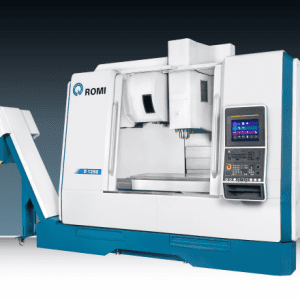
If you’ve been around a factory floor for a while, you’ve probably seen the quiet struggle that comes with older machines. They’re reliable workhorses, built tough and often capable of running for decades. But here’s the catch—their control systems don’t age quite as gracefully. While the hardware still has life left, the outdated controls can hold back productivity, limit flexibility, and make repairs feel like chasing down parts for a vintage car.
This is where control retrofits come into play, and why more and more manufacturers are turning to them as a smart investment.
Breathing New Life into Old Machines
Think of a control retrofit like giving your machine a brain upgrade. Instead of scrapping a perfectly solid piece of equipment just because its “nervous system” is outdated, you keep the sturdy frame, mechanics, and build quality, but replace the control system with modern technology. Suddenly, that 20-year-old CNC machine doesn’t feel old anymore—it feels ready to compete in today’s market.
I once visited a shop that had been running the same milling machine since the late ’90s. The machine itself was a tank, but the operators had to deal with a clunky interface, limited programming options, and downtime whenever the old control board acted up. After a retrofit, not only did the downtime drop significantly, but the shop also cut setup times in half because the new controls were faster, smarter, and easier to use.
Cost-Effective vs. Buying New
Buying a brand-new machine is a huge investment—sometimes upwards of six figures. For many manufacturers, especially small and mid-sized shops, that kind of capital expenditure just isn’t practical. A control retrofit, on the other hand, can deliver much of the same performance boost at a fraction of the cost.
It’s like upgrading the software on your phone instead of tossing it out for the latest model. You’re not starting from scratch—you’re building on what already works. The savings here can be redirected into other areas of the business, whether that’s expanding operations, hiring more skilled workers, or even taking on new projects.
Staying Competitive in a Changing Industry
Manufacturing today is all about speed, precision, and adaptability. Customers expect tighter tolerances, faster turnaround times, and the ability to handle complex designs without a hitch. Outdated controls simply can’t keep up.
Modern control systems bring features like advanced programming, real-time monitoring, improved diagnostics, and even integration with smart factory technologies. By retrofitting, you’re not just keeping up—you’re setting your team up for growth in an industry that’s moving quickly toward automation and digitalization.
Less Downtime, More Uptime
Anyone who has dealt with unplanned downtime knows it’s more than just frustrating—it’s expensive. Every hour a machine sits idle is lost revenue, not to mention the ripple effects on delivery schedules and customer satisfaction.
Older control systems are harder to service because parts are scarce, and the technicians who know how to fix them are becoming fewer and farther between. A retrofit drastically reduces this problem. With newer controls, parts are readily available, service is easier, and troubleshooting becomes faster thanks to improved diagnostics. That peace of mind alone is worth the investment.
A Smarter Path Forward
Manufacturers often face a tough choice: invest in brand-new equipment or stretch the lifespan of the old. Control retrofits offer a third, smarter option. You keep the reliability of the machine you trust while adding the intelligence of modern controls.
It’s a solution that balances cost savings, performance, and future-readiness. For many shops, it’s the difference between just getting by and truly staying competitive.
So if your machines are still mechanically sound but struggling on the control side, don’t write them off just yet. A retrofit might be the best investment you make—not just for your machines, but for your business as a whole.
Tags : Control Retrofits