Why Consumers Choose Fiberglass Rope for High-Temperature Insulation Projects
By Admin 07-09-2026 11
Why Consumers Choose Fiberglass Rope for High-Temperature Insulation Projects
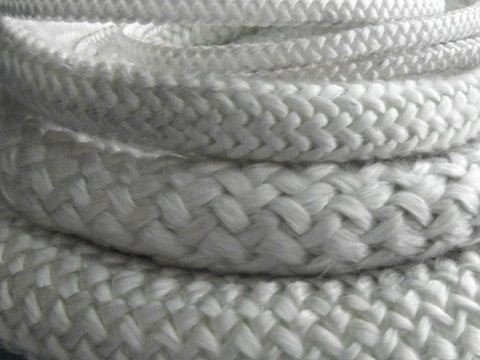
High-temperature insulation projects require materials that withstand heat and remain simple to install. Technicians often select insulation products that provide thermal protection without adding complexity to a task. Fiberglass rope is one option because it is heat resistant, flexible and easy to handle - these characteristics make the material suitable for industrial, commercial plus maintenance tasks where insulation is necessary.
Heat Resistance
One reason technicians select fiberglass rope is its ability to withstand temperatures that exceed 1 000°F (540°C). Manufacturers produce fiberglass from glass fibers that do not change shape or melt under heat - this quality makes the material useful around equipment, pipes, furnaces and doors. When a technician selects the correct grade, the rope reduces heat transfer and provides a barrier around areas exposed to intense thermal conditions.
Fiberglass rope is also useful when insulation must function during repeated heating but also cooling cycles. Industrial machinery often experiences temperature changes that place stress on materials. A fiberglass product maintains its structure through these changes, which reduces the frequency of replacement. Technicians consider the operating temperature and service conditions to select an appropriate grade.
Flexible Installation
The flexibility of fiberglass rope is an additional benefit - Compared to rigid products that require cutting and shaping, technicians can wrap or position rope around irregular surfaces - this material is useful for sealing gaps as well as insulating components with curves or joints.
The adaptable shape simplifies installation in areas where flat materials are difficult to place. The material is also helpful for maintenance in tight spaces - Workers often insulate equipment without dismantling surrounding parts. Fiberglass rope is easy to adjust to fit a specific space - this characteristic saves time and reduces the need for material modifications.
Durability
Durability is a factor that influences the choice of insulation. High temperature environments expose materials to heat, vibration and friction. Fiberglass rope is resistant to these conditions when a technician uses the correct product for the task. The fibrous construction provides stability as part of an insulation system.
Technicians also consider how a material fits into long term maintenance plans. A product that remains functional under operating conditions limits how often a facility must replace insulation - this is important in industrial settings where stopped machinery affects productivity. Choosing a material based on temperature, exposure or service life supports more consistent results.
Application Versatility
Fiberglass rope serves multiple sealing purposes - Technicians use it around piping, furnace components, exhaust systems and equipment that requires heat protection - this versatility allows a facility to use one type of material for different tasks, provided the product meets the requirements of each project.
Other materials are also available depending on the conditions. As an example, ceramic fiber insulation is an option when a project requires performance at even higher temperatures. Technicians compare materials based on temperature limits, flexibility and compatibility with machinery.
Cost Considerations
The cost of an insulation project includes the material price, installation time next to maintenance needs. Fiberglass rope offers value because the flexible design makes installation fast - these benefits are relevant for maintenance teams working under time constraints.
A careful selection process helps avoid unnecessary expenses - The chosen rope must match the temperature requirements of the project. Reviewing specifications before purchase ensures the insulation performs as expected - this approach supports long term value and reduces the chance of material failure.
Conclusion
Technicians choose fiberglass rope for high temperature projects because it is heat resistant, flexible and durable. The ability of the material to adapt to different shapes makes it a practical option for sealing tasks. By evaluating temperatures plus installation needs, technicians select an insulation solution that provides performance and value.
Tags : fiberglass rope