Why Chronic Migraines and Constant Headaches Require Expert Evaluation?
By Harsh Patil 20-07-2026 45
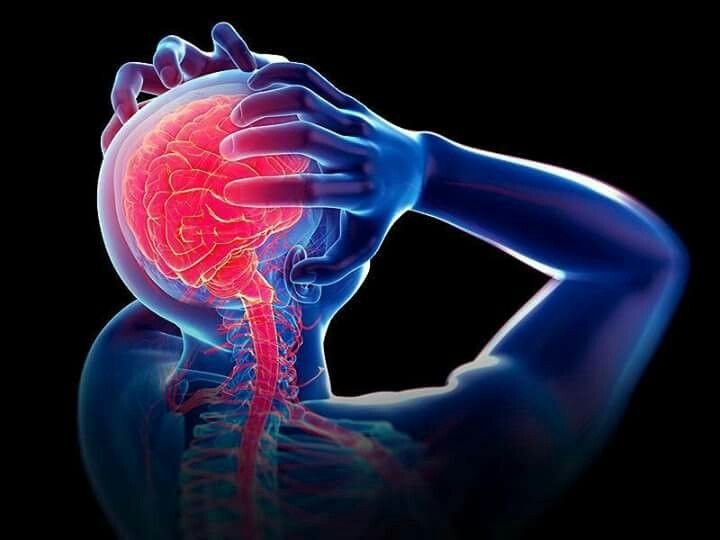
Experiencing a throbbing sensation in your head after a stressful day at the office or a poor night's sleep is a common frustration that most people experience occasionally. Many individuals routinely rely on over-the-counter painkillers to dull the ache, assuming that persistent head pain is simply an unavoidable side effect of a modern, fast-paced lifestyle. However, when simple headaches transform into frequent, debilitating migraines that disrupt your ability to work or spend time with family, it is a sign of a deeper neurological issue. Consulting a highly specialized Best Neurologist allows you to receive a precise diagnostic evaluation to map your specific chemical triggers and design a targeted prevention plan. Leaving chronic head pain unmanaged can lead to progressive neurological sensitivity and severely impact your quality of life.
The neurological complexity of headache conditions means that self-treatment often causes unintended physical consequences. Without professional diagnostic screening, individuals frequently fall into dangerous cycles of medication overuse, which paradoxically changes brain receptor sensitivity and increases headache frequency. A specialized clinical evaluation systematically differentiates between primary headache types and secondary indicators of structural abnormalities or vascular tension. Neurological health thrives on targeted prevention rather than continuous crisis management, making early intervention the key to structural comfort. By looking past surface pain metrics, specialized care helps patients isolate localized inflammatory triggers, stabilize neural pathways, and build sustainable defense barriers against recurring attacks.
The Neurological Complexity of Migraine Disorders
To effectively manage severe head pain, it helps to understand that a true migraine is far more than just a bad headache. A migraine is a complex, inherited neurological disorder characterized by overactive nerve pathways and fluctuating chemical signals within the brain. During a migraine episode, the deep trigeminal nerve pathway becomes highly stimulated, releasing inflammatory substances that cause the surrounding blood vessels to swell and throb intensely. This neural hypersensitivity can cause wwide-rangingsymptoms, from intense light aversions and nausea to strange visual disturbances known as auras.
Modern neurological treatments focus on stabilizing brain wave activity and blocking inflammatory pathways before a painful episode can take root. Specialized neurological care moves you away from the dangerous cycle of overusing rescue pain medications, which can actually trigger severe rebound headaches over time. Advanced therapeutic options target the specific proteins responsible for neurogenic inflammation, offering long-term protection without systemic side effects. By examining vascular dynamics and tracking cellular electrical patterns, specialists construct robust treatment profiles that protect the central nervous system from chronic irritation. This shift from temporary rescue therapy to deep neuromodulation represents the true standard of care in contemporary neurological science.
Identifying Daily Triggers and Tracking Neurological Patterns
Effectively overcoming chronic migraines requires a proactive effort to identify and minimize the unique environmental factors that stimulate your sensitive nervous system. Keeping a detailed headache diary can help you isolate patterns that might escape casual notice. Systematically monitoring your environmental inputs allows you to recognize when minor adjustments can create a massive protective boundary for your brain.
- Monitor Dietary Intakes: Certain aged cheeses, artificial sweeteners, processed meats, and excessive caffeine fluctuations can act as powerful chemical triggers in the brain.
- Maintain Sleep Consistency: Going to bed and waking up at the exact same time every day stabilizes brain chemistry and lowers the risk of waking up with a severe headache.
- Manage Environmental Exposure: Restricting your exposure to flickering fluorescent lights, loud environments, and prolonged screen time helps protect your visual cortex from overstimulation.
By adjusting these everyday parameters, patients can actively lower the chemical baseline that sparks vascular inflammation. True neurological resilience is built on providing the central nervous system with absolute behavioral predictability and stability.
Conclusion
Chronic migraines and persistent headaches are significant neurological warnings that demand expert medical evaluation rather than simple lifestyle avoidance. By understanding the deep chemical and vascular mechanisms that drive head pain and seeking targeted specialized care, you can reclaim control over your daily life. True neurological wellness is built on preventing episodes from starting rather than continuously masking your pain with temporary medications. Taking proactive steps to consult with brain health specialists today will protect your nervous system and allow you to live a comfortable, focused, and vibrant life.
Frequently Asked Questions
Q1: What is the main difference between a standard tension headache and a neurological migraine?
A1: A tension headache causes a mild, dull, band-like pressure around the entire head without other symptoms. A migraine is a neurological event causing intense, one-sided throbbing pain accompanied by nausea, light sensitivity, and visual changes.
Q2: What are medication overuse headaches, and how do they develop?
A2: Medication overuse or rebound headaches occur when an individual takes acute pain relief medications too frequently, usually more than two days a week. The brain becomes dependent on the drug, triggering a fresh headache as the medication wears off.
Q3: When should a chronic headache prompt an immediate emergency medical evaluation?
A3: You should seek immediate emergency care if a headache comes on suddenly with explosive intensity, is accompanied by a high fever, stiff neck, confusion, or difficulty speaking, or if it develops immediately following a physical head injury.
Tags : .....