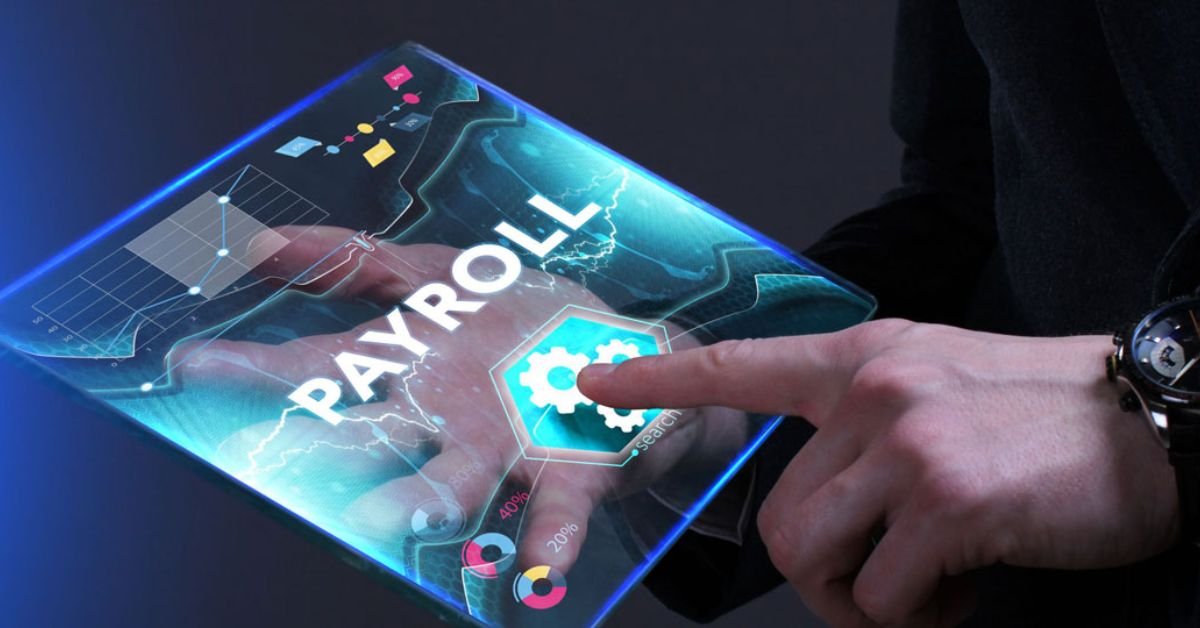
There was a time when payroll felt like a monthly storm. Files stacked on desks, calculators clicking endlessly, spreadsheets hiding silent errors ready to surface at the worst possible moment. Salary day was never just a date on the calendar—it was a quiet test of accuracy, patience, and nerves.
Today, that storm has calmed. And the reason is simple: businesses are switching to digital payroll methods powered by advanced payroll software India solutions.
This shift is not just about technology. It is about control. It is about confidence. It is about building a workplace where salaries move with precision and predictability instead of panic and pressure, supported by smart automation and reliable systems.
From Manual Chaos to Digital Clarity
Traditional payroll systems relied heavily on manual entries. Attendance had to be verified. Leave balances were cross-checked. Overtime calculations required double validation. One missed digit could create a ripple effect—wrong deductions, incorrect tax calculations, delayed salaries.
Digital payroll has changed that entire rhythm.
Now, attendance syncs automatically. Salary structures are pre-configured. Deductions are rule-based. Compliance settings are embedded. Instead of chasing numbers, payroll teams monitor dashboards. Instead of correcting errors, they prevent them.
The difference feels like switching from a typewriter to a touchscreen. The task is the same—but the speed, elegance, and reliability are worlds apart.
Accuracy Is No Longer Optional
Employees today expect precision. A single salary mistake can shake trust faster than a delayed meeting. When payroll becomes digital, accuracy stops being a gamble.
Built-in validations flag inconsistencies before processing. Automated tax calculations adapt to updated regulations. Leave encashments, bonuses, incentives—all flow through structured logic instead of fragile formulas.
I have seen how this transforms workplace confidence. When employees know their payslip will arrive correctly every month, HR gains something powerful: credibility.
And credibility is priceless.
Time Is the New Currency
Businesses are not just switching to digital payroll for convenience. They are doing it because time has become more valuable than ever.
Manual payroll processing can consume days. Collecting data, verifying inputs, generating reports, processing payments—it is a cycle that drains productive hours.
Digital payroll compresses that timeline dramatically. What once required multiple working days now takes a few focused hours. Automation handles repetitive tasks, freeing HR teams to focus on strategic initiatives like employee engagement, workforce planning, and policy development.
Efficiency is not about working harder. It is about eliminating unnecessary friction. Digital payroll removes that friction quietly and consistently.
Compliance Without Fear
Regulatory compliance has always been one of payroll’s most delicate responsibilities. Tax rules change. Labor laws evolve. Contribution percentages get revised. Keeping up manually is stressful and risky.
Digital payroll systems come equipped with compliance updates built into their structure. They calculate statutory contributions accurately. They generate audit-ready reports. They store historical data securely for reference.
For business owners, this brings peace of mind. For HR professionals, it removes the constant fear of penalties and last-minute corrections.
Compliance shifts from reactive firefighting to proactive alignment.
Real-Time Visibility Creates Smarter Decisions
Earlier, payroll was treated as a backend activity. It happened quietly, once a month, and disappeared until the next cycle.
Now, payroll data is a strategic asset.
Digital platforms offer real-time insights into salary expenses, department-wise costs, overtime trends, and workforce distribution. Leaders can forecast financial commitments more accurately. Budget planning becomes data-driven instead of assumption-based.
When payroll data is visible, business decisions become sharper.
It is no longer just about paying employees. It is about understanding workforce economics.
Employee Experience Matters More Than Ever
The modern workforce values transparency. Employees want easy access to payslips, tax summaries, leave balances, and reimbursement statuses.
Digital payroll provides self-service portals where employees can download documents, update information, and track payments without sending endless emails to HR.
This simple shift enhances workplace experience significantly. It reduces dependency. It increases clarity. It builds trust.
When employees feel informed, they feel respected.
And respect strengthens retention.
Remote Work Demands Digital Systems
The workplace is no longer confined to a single office building. Remote teams, hybrid models, and distributed employees are now common realities.
Manual payroll systems struggle in such environments. Physical paperwork becomes impractical. Coordinating data across locations creates delays.
Digital payroll thrives in distributed settings. Cloud-based access allows authorized teams to process payroll securely from anywhere. Salary disbursements happen seamlessly, regardless of geography.
In a world where work happens everywhere, payroll must also adapt everywhere.
Data Security Is Stronger Than Paper Trails
Paper files are fragile. Spreadsheets stored locally are vulnerable. Manual records can be misplaced, damaged, or accessed without authorization.
Digital payroll systems use encrypted storage, role-based access controls, and secure authentication methods. Sensitive salary data is protected through structured digital safeguards.
Businesses recognize that employee financial data is confidential. Protecting it digitally is far safer than relying on filing cabinets and shared folders.
Security is no longer an afterthought—it is a foundation.
Scalability Without Growing Pains
As businesses expand, payroll complexity multiplies. More employees mean more salary variations, tax brackets, incentive plans, and compliance requirements.
Manual systems struggle under this weight. Errors increase. Processing time expands. Stress intensifies.
Digital payroll scales effortlessly. Whether the workforce grows from 20 employees to 200 or beyond, the system handles volume with consistency. Salary structures can be duplicated, customized, and managed efficiently.
Growth should feel exciting—not overwhelming. Digital payroll supports expansion without operational fatigue.
Environmental Responsibility
There is another quiet advantage businesses are recognizing—reduced paper usage.
Digital payslips, electronic approvals, online documentation—all contribute to lower paper consumption. It may seem small, but collectively, it supports sustainability goals.
Switching to digital payroll aligns operational efficiency with environmental responsibility.
Modern businesses care about both.
The Emotional Shift
Beyond the technical advantages, there is an emotional transformation happening.
Payroll used to be stressful. HR teams approached salary week with tension. Employees waited anxiously. Business owners double-checked numbers late at night.
Digital payroll changes that atmosphere.
Salary day becomes routine instead of dramatic. Reports are generated with clarity. Approvals happen smoothly. Payments are processed confidently.
The monthly storm turns into a predictable breeze.
And that emotional relief is something no spreadsheet can measure.
The Future Is Structured, Smart, and Seamless
Businesses are not switching to digital payroll methods because it is trendy. They are switching because it is necessary.
Workplaces are evolving. Expectations are rising. Compliance is tightening. Workforce models are diversifying.
Digital payroll fits naturally into this modern ecosystem, especially when integrated with advanced HR software India solutions. It blends automation with accuracy. It combines transparency with security. It transforms payroll from a transactional duty into a strategic advantage.
When old manual processes are compared to today’s intelligent systems, the difference is striking. Traditional methods feel heavy and outdated, while digital platforms feel lighter, sharper, and far more aligned with how modern businesses operate.
In the end, payroll is not just about transferring salaries. It is about building trust every single month.
And trust, when supported by digital precision and smart HR integration, becomes unshakeable.
Tags : .....