Why Biogas Is Emerging as the Most Profitable Clean Energy Opportunity
By Leadvent Group 11-05-2026 120
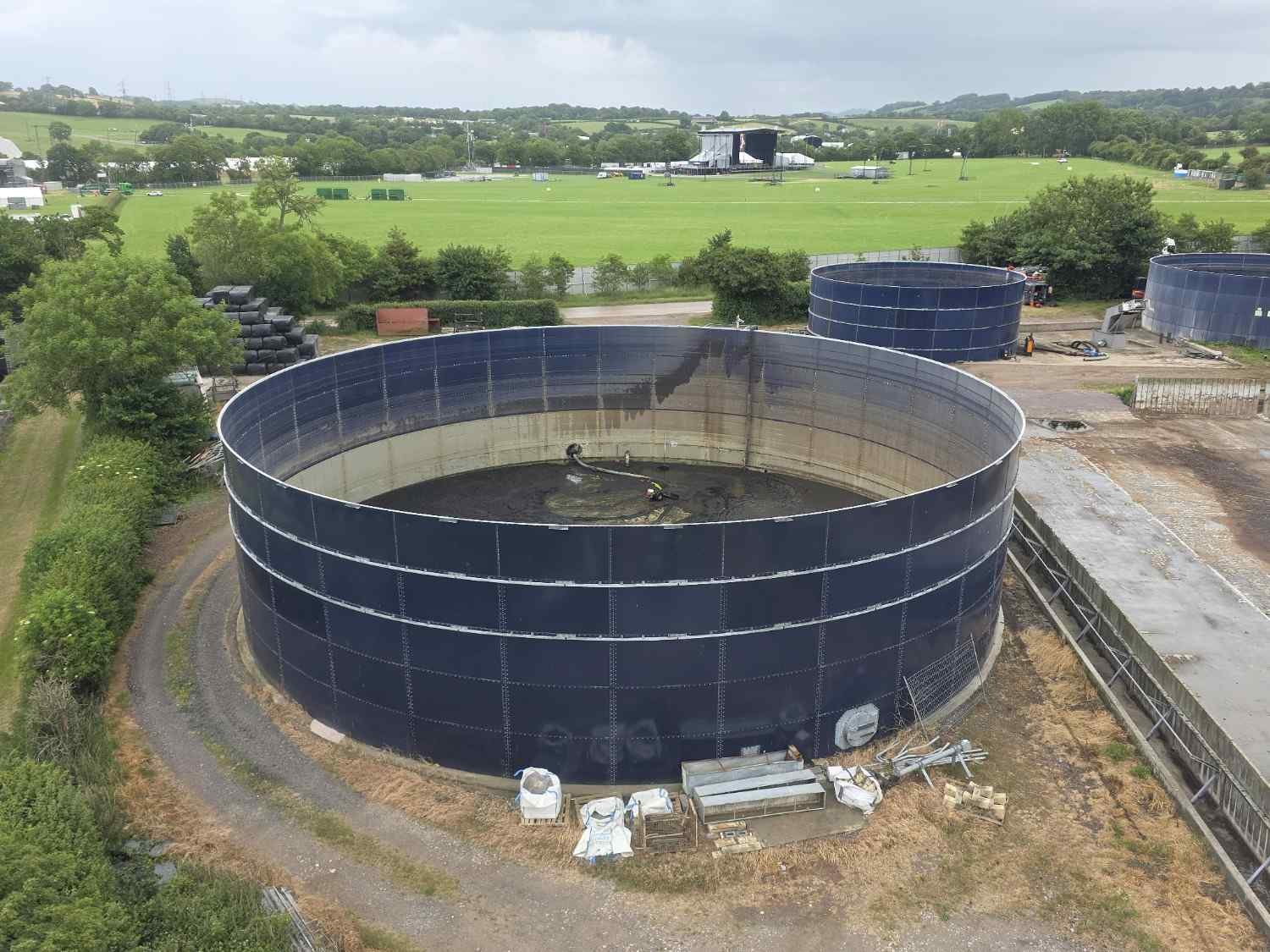
Clean energy is no longer just about saving the planet. It has quietly become one of the shrewdest financial moves a business or government can make. Among all the renewable options available today, one stands out for its practical value and growing profit potential: biogas. Unlike solar or wind energy, it generates power regardless of weather conditions or time of day. It works around the clock, uses waste as its raw material, and fits neatly into existing energy systems. That combination is hard to beat, and investors, farmers, and governments are all starting to notice.
What Makes Biogas Different
Solar panels and wind turbines have become common talking points in the clean energy conversation. Biogas works differently. It is produced when organic material, such as food waste, animal manure, crop residues, or sewage sludge, breaks down in an oxygen-free environment. This process, called anaerobic digestion, releases a gas that is rich in methane. That gas can be used to generate electricity, heat homes, or be upgraded into renewable gas and fed directly into the national gas grid.
What sets biogas apart from other clean energy sources is its dual benefit. You reduce waste and produce energy at the same time. The leftover material from the digestion process, called digestate, is also a high-quality fertiliser. So essentially, nothing goes to waste.
Why the Economics Are Working in Its Favour
The financial case for biogas has grown stronger in recent years, and for good reason. Tipping fees from waste disposal, revenue from energy sales, government incentives, and carbon credit markets all contribute to the income streams available to a biogas plant operator. Unlike solar or wind, which depend on weather conditions and grid timing, biogas plants operate continuously, providing a steady and predictable energy output.
In agriculture, this is especially relevant. Farmers dealing with rising input costs and tighter margins are finding that converting animal waste into energy can significantly offset their expenses. The digestate reduces the need for synthetic fertilisers, adding another layer of savings.
Case Study 1: A Dairy Farm in the United Kingdom
A dairy farm in Shropshire, England, partnered with an energy company to install an anaerobic digestion system using slurry from its herd of 1,200 cows. Within two years of operation, the farm was generating enough electricity to power itself entirely and selling surplus electricity back to the grid. By substituting commercial fertilisers with digestate, the farm brought down its yearly input expenditure by nearly a third. The full capital investment was recovered through combined energy and fertiliser savings within a five-year period.
Case Study 2: Municipal Waste to Energy in Sweden
Sweden has long been a leader in waste management, and its biogas sector reflects that. Gothenburg has built a system where organic waste collected from households is converted into gas energy that powers its municipal bus network, closing the loop between everyday waste and clean public transport. This programme not only cuts transport emissions but has also created a circular economy loop where residents participate directly in the city's clean energy supply. The model has since been studied and replicated in several other European cities.
The Role of Industry Events and Knowledge Sharing
The growth of this sector has also been supported by professional communities and knowledge-sharing platforms. A well-organised biogas event brings together project developers, equipment suppliers, policy experts, and investors under one roof. These gatherings are where deals get done, new technologies get showcased, and policymakers get a clearer picture of what the industry needs. As the sector matures, these events are becoming increasingly important for networking and staying ahead of regulatory changes.
Challenges Worth Acknowledging
No opportunity is without its difficulties. High upfront capital costs remain a barrier for smaller operators. Permitting processes can be slow and complicated depending on the region. There is also the question of feedstock supply chains, ensuring a consistent flow of organic material to keep a plant running efficiently. These are real challenges, but they are increasingly being addressed through better financing models, streamlined regulations, and cooperative feedstock agreements between farms, municipalities, and food processors.
Where the Sector Is Heading
Analysts expect the global biogas market to grow substantially over the next decade. Policy frameworks in the European Union, India, the United States, and several Southeast Asian countries are actively promoting biogas as part of their decarbonisation strategies. More biogas producers are now upgrading their output to pipeline-quality gas and feeding it straight into the existing national grid. This removes the need to invest in separate distribution networks.
For investors, the risk-adjusted returns from well-structured biogas projects are increasingly competitive with other asset classes in the clean energy space. For communities, it offers a local, reliable, and circular energy solution.
Conclusion
Biogas is not a new idea, but it is having a very important moment. The combination of waste reduction, continuous energy generation, fertiliser production, and multiple revenue streams makes it one of the most commercially attractive clean energy options available today. Whether you are a farmer, a municipal planner, or a clean energy investor, the opportunity deserves serious attention.
Frequently Asked Questions
1. What types of waste can be used to produce biogas?
A wide range of organic materials can be used, including food waste, animal manure, agricultural residues, sewage sludge, and even certain industrial organic waste streams. The key requirement is that the material must be biodegradable.
2. Is biogas a reliable energy source compared to solar or wind?
Yes, biogas is considered a baseload energy source because it can be produced and used continuously, regardless of weather or time of day. This makes it more predictable than solar or wind energy.
3. How long does it take for a biogas plant to recover its initial investment?
This varies depending on the size of the project, feedstock availability, and local energy prices. Many mid-scale projects see a return on investment within five to eight years, especially when government incentives are factored in.
4. Can biogas be used in place of natural gas?
Yes. When purified and upgraded to remove carbon dioxide, biogas becomes biomethane, which has a composition very similar to natural gas and can be injected into existing gas grids or used as vehicle fuel.
5. What is digestate and is it commercially useful?
Digestate is the solid and liquid material left after anaerobic digestion. It is nutrient-rich and can be used as a natural fertiliser, which helps offset the cost of running a biogas plant and reduces dependence on synthetic fertilisers.
Tags : Biogas Renewable gas Biogas event