Why Are Businesses Investing in Modern Turnstile Gate Solutions
By efficient sg client 19-03-2026 161
A busy office or shop building sees a steady flow of people each day. Keeping track of who comes in and out while keeping everyone safe takes more than just a guard at the door. New tech gives a smarter way to handle this task. Companies are paying attention and changing how they manage their doors. They want fixes that work fast and keep all safe.
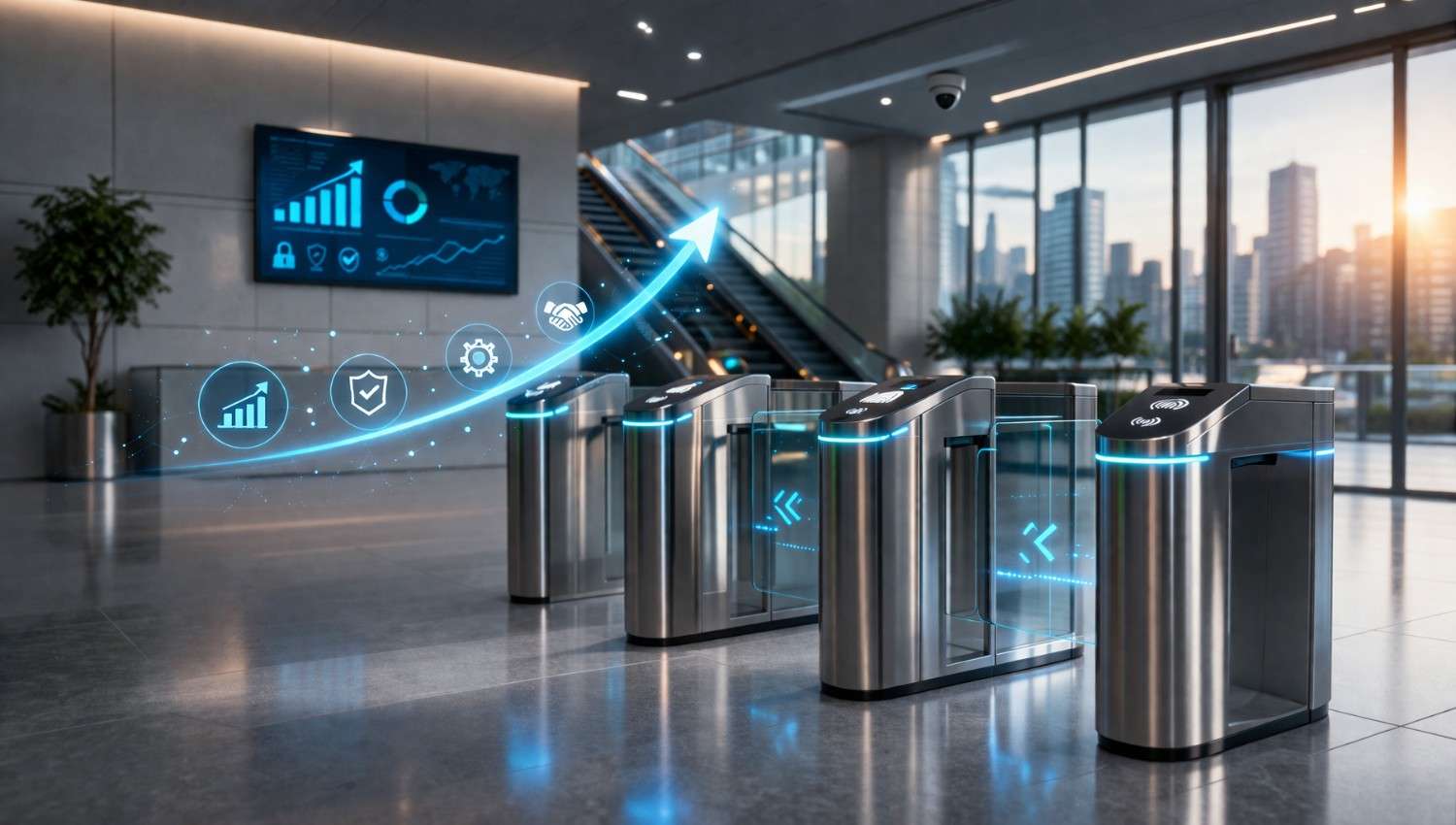
One fix gaining ground is the turnstile gate in Singapore. These smart systems do more than just stop entry. They give a smooth way to manage access while collecting helpful facts. This piece looks at why firms are turning to these new fixes. It covers the pluses, from better safety to saving cash, and why an access control turnstile has become a wise buy for smart groups. These systems bring fresh control to busy doors all over.
The Growing Need for Better Entry Care
Singapore's quick city life creates special challenges for building chiefs. Many workplaces need systems that can handle crowds without long waits. At the same time, safety risks call for better control over who steps in. New turnstiles meet both needs well. They keep people moving while stopping those who should not be there.
City Crowds and Smart City Goals
Singapore's push for smart city plans drives the need for smart access fixes. The state backs digital tech use across building projects. This makes a good space for high-tech systems that link with wider city care. Turnstiles that hook up with building care systems fit this national dream well. They become part of a big net that makes cities run smoothly.
Rising Safety Worries
Big safety events around the world have made groups rethink their door spots. Wrong entry puts both people and things at risk. Hard blocks like turnstiles stop bad actors well. They make sure only the right folks step in, making theft and harm much harder to do. This extra shield gives building chiefs calm minds. They rest better knowing their places have strong first walls.
Key Gains Driving Spend
Firms do not spend cash without clear gains. New turnstile systems give real pluses that show up on the money line. From staff savings to helpful facts, these systems pay for themselves over time. Smart firms see them as tools that earn their keep year after year.
Better Safety and Entry Check
A turnstile gate in Singapore gives a sturdy block that stops tailgating and wrong entry. Unlike human guards, these systems never wave someone through without the right proof. They link with cams for live watch and can lock down fast when needed. This level of check cuts safety risks a lot. It stops trouble before it ever enters through the door.
Cut Staff Costs
Auto entry points cut the need for guards at each door. Guards can focus on bigger jobs like threat spot and quick aid instead of checking IDs. This shift of staff boosts overall safety while cutting pay costs. The gains add up fast in big buildings. Firms move those funds to other key spots.
Smooth Crowd Care
New systems handle big crowd sizes without jams. Speed gates can move 30 to 40 people per minute. This keeps lines short even at peak times. Smooth flow stops crowding and boosts the user experience for workers and guests alike. Easy entry sets a positive tone for the whole visit. People start their day feeling positive instead of mad.
Helpful Facts and Tips
Today's smart turnstiles do more than check entry. They gather facts on who comes and goes, when peak flow hits, and how many stay after hours. This info helps firms make better calls on staff, space use, and safety. Cloud links let chiefs watch from anywhere. Managers check building buzz from their phones or pads.
Tech Trends Shaping New Turnstiles
The skills of entry systems have grown considerably. New tech makes them more user-friendly, safe, and bendy than ever. Firms buying now get traits that seemed far off just a few years back. These steps keep pushing what access checks can do.
No-Touch and Body Scan Mix
The bug spread, making the need for no-touch fixes grow quickly. New systems give face check, finger scan, and phone proof. Users can step in with a quick look or a tap of their phone. This speed and ease lift the whole feel while holding high safety marks. People love not having to dig for cards or recall codes.
AI-Boosted Sensors
Smart help lets turnstiles work better in tight crowds. High-tech sensors can tell apart people, spot tail tries, and cut wrong alarms from bags or brollies. This smart brain makes sure work is smooth even in Singapore's busiest buildings. The system learns and gets better over time.
Link with Building Systems
New turnstiles do not work alone. They link with building care systems, guest care tools, and lift controls. Open hooks let smooth chat between different techs. This link makes a tight, smart web build that works smoothly. All parts talk to each other for better flow.
Looking at Turnstile Types
Different jobs need different fixes. The list below shows common turnstile types and where they work best. Each style serves a clear need based on the spot.
Why Singapore Firms Lead the Way
Groups in Singapore have picked up these systems faster than in many other spots. The land's tight city space needs quick fixes. Local firms know that good access checks both people and gains. They see new turnstiles as key tools for growth. This smart view keeps Singapore at the forefront of smart build tech.
Conclusion
New turnstile systems have become key tools for firms serious about safety and speed. They give hard blocks that stop wrong entry while keeping the flow of right folks smooth. The facts they gather help groups make better work calls. Linking with other building tools makes a truly smart space.
For firms in Singapore, buying a turnstile gate in Singapore fits both safety needs and the land's smart city dream. The tech keeps growing, with no-touch codes and AI making systems more able each year. An access control turnstile stands for not just a cost, but a smart investment in safety, speed, and future reads. Smart firms see this as worth and act on it.
Common Questions
1. How much can firms save on guard costs with auto turnstiles?
Auto turnstiles cut the need for guards at each door, letting safety staff focus on bigger tasks. This shift often cuts total pay costs by a lot.
2. What kinds of proofs work with new turnstile systems?
New systems take many proofs, including RFID cards, phone access via NFC or BLE, body checks like face and finger scans, and QR codes for guests.
3. Can turnstiles accommodate fire exit needs?
Yes, new turnstiles meet fire safety rules. They have traits that open blocks or pull back wings in fires to let folks out fast.
4. How do turnstiles stop tailgating, where one slips past behind another?
Smart sensors and AI tools spot when more than one tries to pass on a single proof. The system sounds a warning and can stop the flow until things clear.