Most people don’t buy a home thinking about energy. They think about space, location, and maybe resale if they’re being practical. Fair enough. But somewhere along the way, usually after the first few utility bills, you start noticing where the money actually goes. And that’s where an energy efficient home quietly makes its case. Not loudly. Not in a salesy way. Just… by costing you less to live in, month after month.
Lower Bills That Don’t Argue Back
Let’s not overcomplicate it. You use less energy, you pay less. That’s it. But here’s the part people miss, most homes are kind of bad at holding onto energy. Heat leaks out in winter. Cool air disappears in summer. Systems run longer than they should. It’s a waste, basically. And you’re footing the bill. In a more efficient setup, the house does some of the work for you. Better insulation, tighter construction, smarter layouts. The heating or cooling doesn’t have to fight the building itself. So it runs less. You spend less. It’s not dramatic overnight, but yeah… it adds up faster than you’d think.
Resale Value Isn’t Just About Looks Anymore
Kitchens and bathrooms still matter. No question. But buyers are getting sharper. They ask different things now.
“How well does it hold temperature?”
“What are the energy bills like?”
“Is this place going to cost me later?”
An efficient home answers those questions without much effort. And that’s where the value sits. It’s not just about how the place looks on inspection day, it’s how it performs after you move in. That shift is happening, slowly, but it’s happening.
Comfort You Don’t Have to Chase
This one’s hard to explain until you’ve lived it. In a typical house, you’re always adjusting something. A fan here, a heater there, opening windows, closing them again five minutes later. Some rooms feel off. Too warm. Too cold. Never quite right. An efficient home smooths that out. Temperatures stay more even. Air feels better. You’re not constantly fiddling with settings. It’s subtle, but it changes how the space feels day to day. Truth is, once you get used to that kind of consistency, going back feels… annoying. There’s no better word for it.
Less Stuff Breaking (Usually a Good Thing)
Homes that waste energy tend to push their systems harder. Heating units run longer. Cooling systems cycle more often. That wear shows up eventually. With better efficiency, the load is lighter. Systems aren’t overworked all the time. So they last longer, need fewer repairs, and don’t surprise you as often with sudden breakdowns. Not saying nothing will ever go wrong, homes are still homes, but the chaos level drops a bit. And that’s something most homeowners would happily pay for, even if they don’t say it upfront.
The Passive Approach: Why People Talk About It
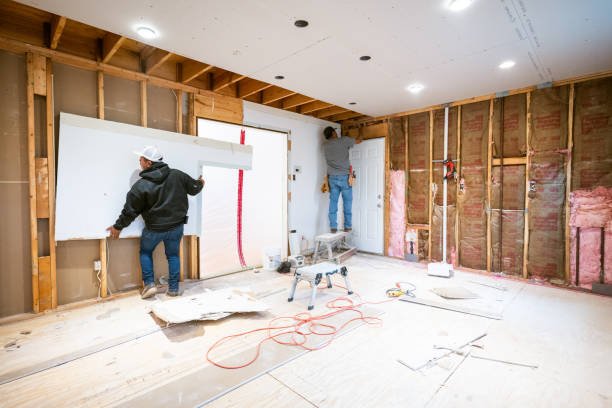
You’ve probably heard the term passive house Melbourne floating around. Sounds technical. It kind of is, but the idea behind it isn’t complicated. Build the home in a way that it naturally stays comfortable. Use insulation properly. Seal gaps. Think about sunlight and airflow from the start. Basically, don’t rely entirely on machines to fix bad design later. Yeah, it can cost more at the beginning. No point sugarcoating that. But over time, the house needs less energy to stay livable. That’s the trade. And for a lot of people, it works out better than expected.
Future-Proofing Without Guessing Too Much
Nobody has a crystal ball. Energy prices could rise faster than expected. Regulations could tighten. Or not. Hard to say. But here’s the safe bet, efficiency won’t become less important. If anything, it’s heading the other way.
So owning a home that already performs well puts you in a decent position. You’re not scrambling to upgrade later. Not reacting to every new rule or cost increase. It’s a quieter kind of security.
Environmental Stuff (Even If You’re Not Into It)
Some people build efficient homes because they care about emissions and sustainability. Others just want lower bills. Both end up in the same place, more or less. Using less energy means fewer resources are burned somewhere else. Less strain on systems. Smaller footprint overall. You don’t have to be deeply invested in environmental talk to see the upside. It’s just a byproduct of doing things a bit smarter.
Upfront Cost: Yeah, It’s a Thing
Alright, let’s not dodge it. Efficient homes can cost more upfront. Better materials, better planning, more attention to detail, it all adds something to the price. That’s usually where people hesitate. But the thing is, you’re not throwing money away. You’re shifting it. Paying more now so you don’t keep paying later in smaller, annoying chunks, bills, repairs, upgrades. Some people prefer the cheaper entry. Others look at the longer game. Neither is “wrong,” but if you plan to stay a while, the math starts leaning one way pretty quickly.
Conclusion
An energy-efficient home isn’t about being trendy or ticking some green checkbox. It’s more practical than that.
You spend less on running it. It feels better to live in. It holds up over time. And when you eventually move on, it gives you something back. No big promises. No flashy returns. Just steady, predictable benefits that don’t really stop once they start. And honestly, in a world where everything else feels a bit unpredictable, that kind of consistency is worth paying attention to.
Tags : Energy efficient home