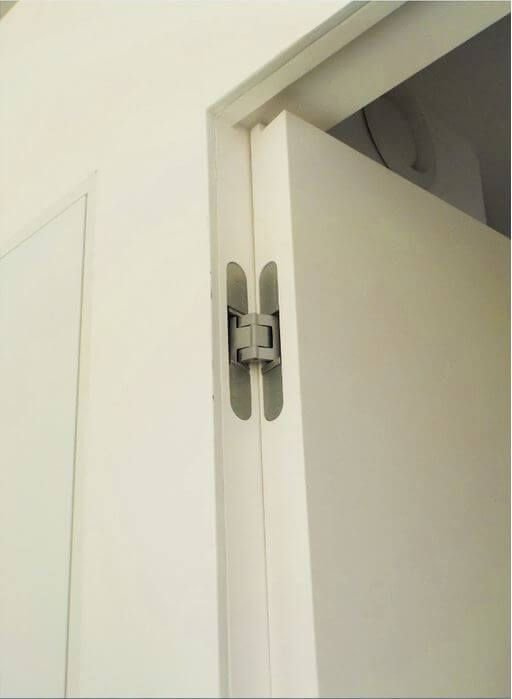
When people think about clean interior design, they often picture smooth walls, simple furniture, and uncluttered spaces. The goal is usually to create an environment that feels calm, open, and easy to live in. But achieving that kind of simplicity is not just about what you add—it’s also about what you choose to hide or minimize. One small yet powerful detail that helps bring this vision together is the flush door jamb.
At first glance, a door jamb might not seem like something that affects design in a big way. It sits quietly around the door, often unnoticed. However, when you switch from a traditional frame to a flush door jamb, the difference becomes clear. It changes how the door interacts with the wall, and that small shift has a noticeable impact on the overall look of a space.
What Makes A Flush Door Jamb Different
A flush door jamb is designed to sit level with the wall surface. Unlike traditional door frames that extend outward and create visible borders, a flush jamb blends into the wall. This means there are no protruding edges or decorative trims breaking the visual flow.
The result is a smoother, more continuous surface. The door feels like a part of the wall rather than a separate element. This approach aligns perfectly with modern design principles that focus on simplicity and clean lines.
Creating A Seamless Look
One of the main reasons homeowners and designers choose a flush door jamb is the seamless appearance it creates. In a clean interior, every line matters. When walls, doors, and frames align properly, the space feels more organized and intentional.
A flush door jamb removes visual interruptions. Instead of your eyes being drawn to the edges of a door frame, they move naturally across the wall. This makes the room feel larger and more open, even if the actual size hasn’t changed.
This seamless look is especially effective in spaces with minimal decoration. When there are fewer elements competing for attention, details like a flush jamb stand out in a subtle but meaningful way.
Supporting Minimal Design
Minimalism is not just about having fewer things—it’s about choosing elements that work together without creating visual noise. A flush door jamb supports this idea by simplifying one of the most common features in any room.
Traditional frames can sometimes feel bulky or overly decorative, especially in modern interiors. In contrast, a flush jamb keeps things understated. It allows the door to do its job without becoming a focal point unless you want it to be.
This makes it easier to maintain a consistent design language throughout the home. Whether you’re working with neutral colors, smooth textures, or open layouts, a flush door jamb fits naturally into the overall concept.
Improving The Flow Of Space
Clean interior design often focuses on flow—how one area connects to another. Doors play a big role in this because they act as transitions between rooms.
A flush door jamb helps improve this flow by reducing visual breaks. When doors blend into the wall, moving from one space to another feels more natural. There’s less distraction, and the transition becomes smoother.
This is particularly useful in open-plan homes or spaces where continuity is important. Instead of each room feeling separate, the design feels more unified.
Enhancing Light And Shadow
Another subtle benefit of a flush door jamb is how it interacts with light. Traditional frames create shadows around the edges of the door, which can add depth but also break up the surface.
With a flush jamb, these shadows are minimized. Light moves more evenly across the wall, contributing to a softer and more balanced look. This can make a room feel brighter and more inviting.
In spaces that rely on natural light, this effect becomes even more noticeable. The clean lines and smooth surfaces allow light to reflect without interruption.
Practical Benefits Behind The Design
While the visual impact is important, a flush door jamb also offers practical advantages. A well-installed flush system supports proper door alignment, helping the door open and close smoothly.
Because it sits level with the wall, it can also be easier to clean and maintain. There are fewer edges where dust can collect, which helps keep the space looking tidy.
Additionally, flush door jambs are often designed with durability in mind. When installed correctly, they provide strong support and can handle daily use without losing their alignment.
A Detail That Elevates The Whole Room
It’s easy to overlook small details when planning a space, but those details often make the biggest difference. A flush door jamb is a perfect example. It doesn’t demand attention, yet it quietly improves both the look and function of a room.
By creating a seamless connection between the door and the wall, it helps achieve the kind of clean, modern design that many people are looking for today. It supports simplicity without sacrificing performance.
Final Thoughts
Clean interior design is not about removing personality—it’s about refining it. It’s about choosing elements that work together to create a calm and balanced environment. A flush door jamb may seem like a minor choice, but it plays an important role in achieving that goal.
From improving visual flow to supporting minimal design, it helps bring everything together in a subtle and effective way. When every detail is considered, even something as simple as a door jamb can elevate the entire space.
Tags : flush door jamb