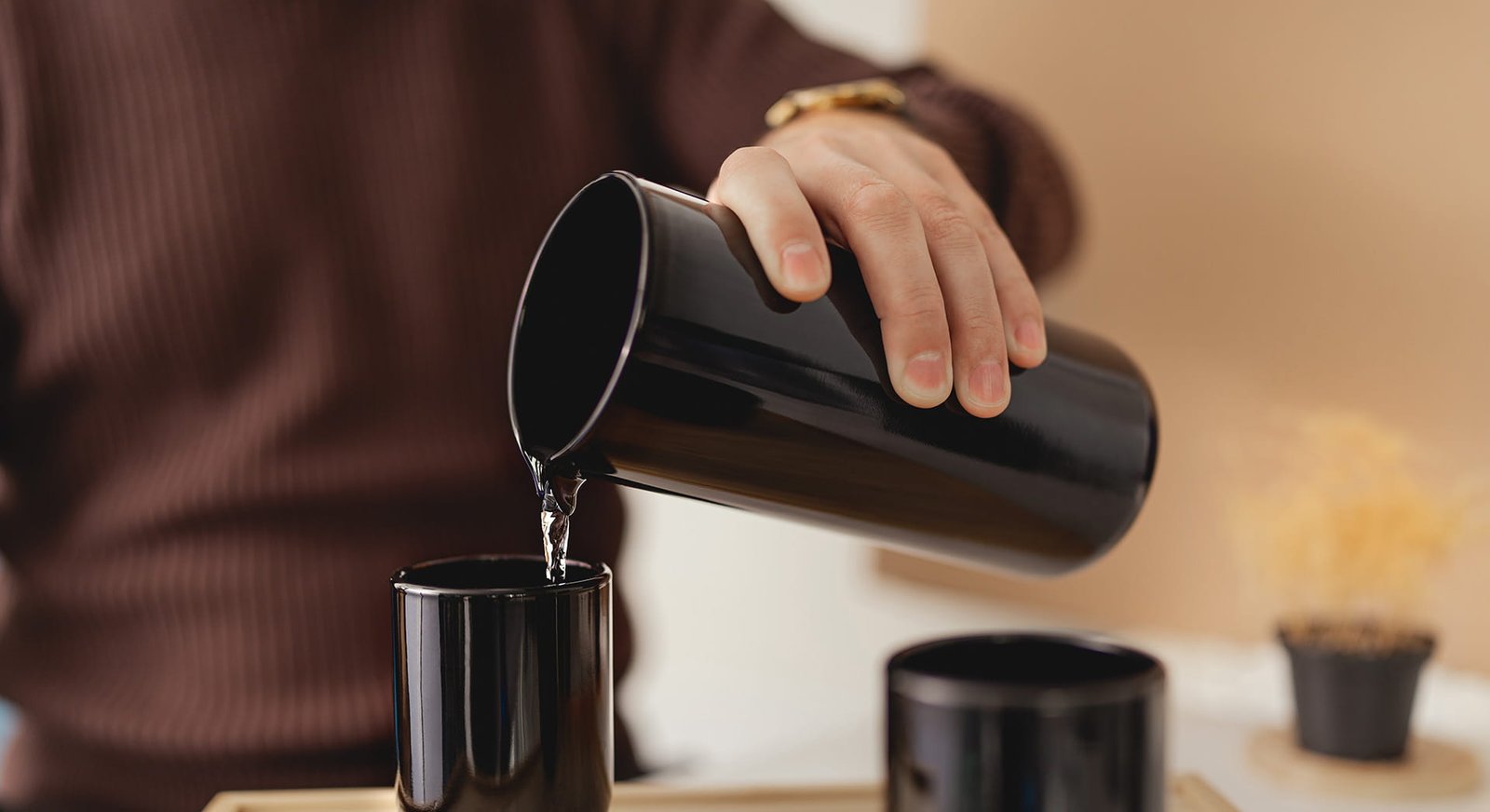
Transformative Benefits of Biophotonic Glass Packaging
Natural products are only as good as the way they are stored. From botanical serums and balms to herbal tinctures and supplements, many clean formulas are sensitive to light, oxygen, and time. Packaging is therefore not a last-minute design choice, but a functional part of product performance.
Biophotonic packaging, also known as violet glass, has gained traction among premium natural brands. Specialists such as Miron focus on glass solutions designed to help protect product quality while supporting a high-end presentation.
What biophotonic glass is and why it matters
Biophotonic glass is typically described as violet glass with selective light-filtering properties. In practical terms, it is designed to block a large portion of the light spectrum that can contribute to degradation, while allowing certain wavelengths to pass through.
For brands and makers, the rationale is straightforward. Many natural ingredients, including plant oils, extracts, vitamins, and essential oils, can be sensitive to light exposure. Better light management can help maintain a product's intended scent, color, and overall stability.
Key benefits to look for in premium packaging
When evaluating packaging for natural products, it helps to compare options using clear criteria. Biophotonic glass is commonly chosen for benefits such as:
- Protection for light-sensitive formulas
- Support for longer shelf-life goals, especially for brands aiming to keep formulas minimal
- A premium look and feel that can elevate shelf presence
- Versatility across categories such as cosmetics, wellness, apothecary-style goods, and specialty foods
Practical factors also matter, including available sizes, closure compatibility, and supply reliability. These details often determine whether a packaging choice remains workable as you scale.
Where this packaging makes the biggest difference
Not every product requires the same level of protection, but biophotonic glass can be especially relevant in categories where consumers expect potency and freshness.
Skincare and cosmetics
Facial oils, active serums, and botanical creams often contain ingredients that can oxidize or lose their sensory appeal. Packaging that helps reduce light impact can support a more consistent user experience over time.
Supplements and wellness
Powders, capsules, and liquid supplements are frequently positioned around quality and efficacy. Premium packaging can reinforce that message, particularly for brands selling through boutique retail or direct-to-consumer channels.
Essential oils and herbal extracts
Aromatics and tinctures are classic examples of products where storage conditions matter. For these products, jar and bottle format choices are as important as the label and dosing method.
Choosing the right jar format for your product
Beyond the glass type, the opening size affects usability, filling, and customer satisfaction. Wide openings are often preferred for:
- Thicker balms and creams
- Powders and blends
- Products used with scoops or spatulas
- Refills and bulk formats
For teams evaluating this approach, wide neck jars can be a practical reference point when comparing sizes and designs against your product and fulfillment setup.
Final checklist before you commit
Before placing a larger packaging order, consider:
- Does the packaging match your formula's sensitivity to light, oxygen, or volatility?
- Is the format convenient for real-world use, including dispensing, refilling, and travel?
- Can your supplier support consistent availability as you grow?
- Does the look align with your brand's price point and positioning?
For natural brands, packaging is more than protection. It is part of the promise you make to customers, and a well-chosen solution can help your product stand out for the right reasons.
Tags : wide neck jars