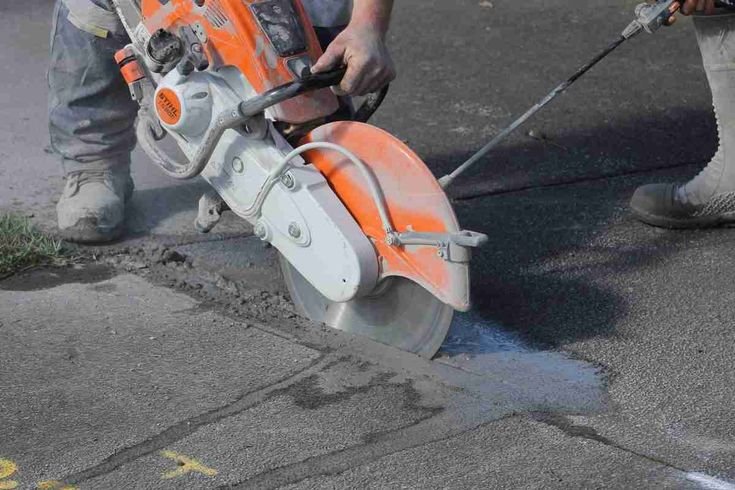
Ever wondered how builders create those perfectly straight cuts through thick concrete slabs? Or perhaps you've asked yourself why professional contractors always seem to have specialised cutting equipment on site? What makes a concrete cutting saw so indispensable that nearly every construction project in Australia relies on one?
A concrete cutting saw is a powerful tool designed specifically to slice through concrete, masonry, brick, and other tough materials with precision and speed. Whether you're tackling a residential renovation in Sydney or working on a major infrastructure project in Melbourne, this piece of equipment has become absolutely non-negotiable for modern construction work. It's the difference between a clean, professional finish and a messy, time-consuming job.
In this guide, we'll explore everything you need to know about concrete cutting saws. You'll discover how they work, the different types available, and why they're considered vital on construction sites across the country. We'll also cover practical topics like choosing the right concrete cutting saw for your project, understanding costs, and staying safe while operating these powerful machines. By the end, you'll have a thorough understanding of why investing in the right concrete cutting equipment truly matters.
Understanding Concrete Cutting Saws
How Does a Concrete Cutting Saw Work?
At its core, a concrete cutting saw uses a diamond-tipped blade that spins at high speeds to grind through tough materials. Unlike traditional saws that slice through wood with teeth, concrete saws rely on abrasive cutting action. The diamond segments on the blade's edge are incredibly hard, allowing them to wear away concrete gradually while maintaining a clean cutting line.
The saw's motor powers the blade, which can reach speeds of several thousand revolutions per minute. This combination of hardness and speed creates enough force to cut through even the densest concrete. Most professional-grade saws also feature depth adjustment mechanisms, giving operators precise control over how deep each cut goes.
Types of Concrete Cutting Saws Explained
Handheld Concrete Saws
These portable units are perfect for smaller jobs and tight spaces. Handheld saws typically feature blade sizes between 230mm and 400mm, making them ideal for cutting concrete up to around 150mm deep. They're lightweight enough for one person to operate and manoeuvre easily.
Walk-Behind Concrete Saws
For larger projects requiring deeper cuts, walk-behind saws are the go-to choice. These machines feature bigger blades (often 450mm to 900mm) and more powerful engines. They roll on wheels, allowing operators to make long, straight cuts in floor slabs and pavements with minimal effort.
Wall Saws and Wire Saws
Specialised applications call for specialised tools. Wall saws mount on tracks attached to vertical surfaces, enabling precise cuts in walls and ceilings. Wire saws use a diamond-coated cable instead of a blade, making them suitable for cutting irregular shapes or exceptionally thick structures.
What Is the Difference Between Wet and Dry Concrete Cutting?
Wet cutting involves spraying water onto the blade during operation. This keeps the blade cool, reduces dust, and extends blade life significantly. It's the preferred method for most professional applications.
Dry cutting, on the other hand, doesn't use water but generates considerable dust. Special vacuum attachments often accompany dry cutting equipment to manage airborne particles. While convenient for quick jobs or areas where water isn't practical, dry cutting typically wears blades faster.
Key Benefits of Using a Concrete Cutting Saw on Construction Sites
Precision and Accuracy for Professional Results
Nothing beats a concrete cutting saw when it comes to achieving clean, straight cuts. The rigid blade and stable design allow operators to follow marked lines with millimetre precision. This accuracy is vital for jobs like creating expansion joints, cutting openings for doors and windows, or removing damaged sections without affecting surrounding areas.
Hand tools simply cannot match this level of control. Plus, precise cuts mean less material waste and fewer costly mistakes.
Time Efficiency: Getting the Job Done Faster
Time equals money on any construction site. A quality concrete saw can complete in minutes what would take hours using manual methods. Walk-behind saws, in particular, can slice through large floor areas remarkably quickly, keeping projects on schedule.
This speed advantage becomes even more pronounced on commercial and civil projects where deadlines are tight and delays cost thousands daily.
Improved Safety Compared to Alternative Methods
While any power tool demands respect, concrete cutting saws are actually safer than many alternatives when used correctly. Breaking concrete with jackhammers or sledgehammers creates unpredictable fractures, flying debris, and excessive vibration exposure for workers.
Cutting saws create controlled, predictable cuts with less physical strain on operators. Modern units also feature safety guards, blade brakes, and ergonomic designs that minimise risk.
Versatility Across Different Project Types
From small residential repairs to massive infrastructure works, concrete saws adapt to virtually any situation. Swap out blade sizes or types, adjust cutting depths, and tackle materials ranging from reinforced concrete to asphalt, brick, and natural stone.
Common Applications in Australian Construction Projects
Residential Renovations and Extensions
Home renovations frequently require cutting through existing concrete slabs, driveways, or retaining walls. Whether you're adding a bathroom that needs new plumbing channels or extending a house that requires foundation modifications, a concrete saw makes these tasks manageable.
Commercial Building Projects
Shopping centres, office blocks, and industrial facilities all involve substantial concrete work. Creating service trenches, installing lift shafts, or modifying existing structures demands the precision and power that concrete saws provide.
Infrastructure and Civil Works
Road construction, bridge repairs, and utility installations rely heavily on concrete cutting. Creating joints in pavements, cutting access points for underground services, and removing damaged sections are everyday applications.
What Materials Can a Concrete Saw Cut Through?
Beyond concrete, these versatile tools handle:
- Reinforced concrete (with appropriate blades)
- Asphalt and bitumen
- Brick and block work
- Natural stone
- Concrete pipes
Choosing the Right Concrete Cutting Saw
What Size Concrete Saw Do I Need for My Project?
Blade diameter determines maximum cutting depth. As a rough guide:
- 230-350mm Blades: Cuts up to 100mm deep – suitable for light residential work
- 400-500mm Blades: Cuts up to 200mm deep – handles most standard projects
- 600mm+ Blades: Cuts over 250mm deep – required for heavy commercial applications
Petrol vs Electric Concrete Saws: Which Is Better?
Petrol saws offer more power and complete mobility, making them ideal for outdoor work and larger jobs. However, they produce fumes that limit indoor use.
Electric saws run cleaner and quieter, perfect for indoor environments or noise-sensitive areas. They need power access but require less maintenance than petrol units.
Can You Cut Concrete Without a Concrete Saw?
Technically, yes. Angle grinders with diamond blades can handle small cuts, while jackhammers break up concrete. However, these alternatives lack precision, take longer, and often create more mess. For any serious construction work, a proper concrete saw remains the professional choice.
Features to Look for When Buying or Hiring
- Ergonomic handles and vibration dampening
- Easy blade change mechanisms
- Reliable depth adjustment
- Adequate dust or water management systems
- Appropriate power for your typical applications
Cost Considerations
How Much Does It Cost to Cut Concrete in Australia?
Professional concrete cutting services typically charge between $60 and $150 per linear metre, depending on depth, reinforcement, and accessibility. Hiring equipment yourself costs considerably less but requires operator competence.
Hiring vs Buying: What Makes Financial Sense?
For occasional use, hiring makes clear economic sense. Daily rates for handheld saws start around $150-$250, while walk-behind units cost $300-$500 daily.
However, contractors using concrete saws regularly should consider purchasing. Quality handheld saws start from $1,500, with professional walk-behind units ranging from $8,000 to $25,000 or more.
Safety and Best Practices
Essential Safety Gear and Precautions
Never operate a concrete saw without proper protective equipment:
- Safety glasses or face shield
- Hearing protection
- Dust mask or respirator
- Steel-capped boots
- Cut-resistant gloves
- High-visibility clothing
Always check for underground services before cutting and ensure the work area is clear of bystanders.
How Deep Can a Concrete Cutting Saw Cut?
This depends entirely on blade size. Handheld units typically max out around 150mm, while large walk-behind saws can cut 400mm or deeper. For extremely thick sections, multiple passes or specialised equipment may be necessary.
Tips for Achieving Clean, Professional Cuts
- Mark cutting lines clearly before starting
- Begin with shallow scoring passes
- Maintain steady, consistent speed
- Let the blade do the work – don't force it
- Keep blades properly maintained
Why Investing in the Right Concrete Cutting Equipment Matters
Throughout this guide, we've explored why concrete cutting saws have become absolutely vital for construction projects of all sizes. From their ability to deliver precise, clean cuts to the significant time savings they offer, these tools earn their place on every professional site.
The variety of available options means there's a solution for every situation. Whether you need a handheld unit for a quick residential job or a powerful walk-behind saw for major civil works, understanding your requirements helps you choose wisely. Factor in considerations like wet versus dry cutting, petrol versus electric power, and buying versus hiring to make informed decisions.
Ultimately, using the right concrete cutting equipment isn't just about convenience – it's about professionalism, safety, and delivering quality results. If you're involved in construction work in Australia, whether as a contractor or DIY enthusiast, understanding these essential tools will serve you well. So next time you're facing a concrete cutting challenge, you'll know exactly what you need and why it matters.
Tags : Concrete Cutting Saw