Why 3D Product Rendering Services Are Transforming Modern Product Marketing
By Maruf Billah 19-01-2026 38
Product presentation has become one of the most important factors influencing customer decisions. Buyers no longer rely only on product descriptions or specifications. They expect clear, realistic, and visually detailed representations before committing to a purchase, especially in online environments where physical interaction is impossible.
As digital commerce continues to grow, brands are under pressure to present products with accuracy and professionalism. This shift has led many companies to adopt 3D product rendering as a core part of their marketing and sales strategy.
Understanding 3D Product Rendering
3D product rendering is the process of creating realistic product images using digital 3D models. These visuals simulate real-world materials, textures, lighting, and proportions with high accuracy. Unlike traditional photography, rendering does not require physical prototypes, studio setups, or repeated photoshoots.
This allows brands to visualize products during early development stages, test different design options, and create marketing-ready visuals before manufacturing begins. As a result, teams gain greater flexibility and control over how products are presented.
Why US Brands Are Moving Away from Traditional Photography
Traditional product photography often involves high costs, long timelines, and limited flexibility. Any change in color, angle, or product configuration usually requires a new shoot. This can slow down marketing efforts and increase expenses.
3D rendering solves these challenges by allowing brands to make digital adjustments quickly. Once a product model is created, it can be reused across multiple platforms and campaigns. This makes 3D rendering a scalable and efficient solution for growing businesses.
Key Benefits of 3D Product Rendering
One of the biggest advantages of 3D rendering is speed. Marketing visuals can be prepared while production is still in progress, helping brands launch products faster and stay competitive.
Cost efficiency is another major benefit. A single 3D model can be used for websites, eCommerce listings, advertisements, catalogs, and presentations. Updates can be made digitally without additional production costs.
Consistency also plays a crucial role. 3D rendering ensures uniform visual quality across all channels, strengthening brand identity and building customer trust.
Industry Applications
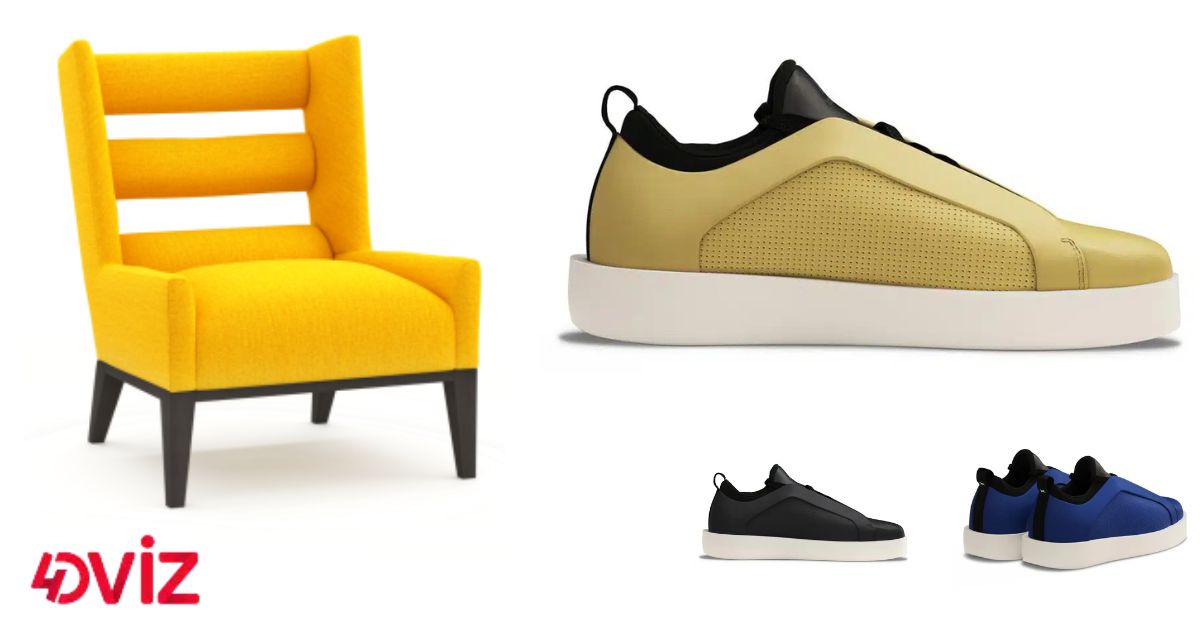
3D product rendering is widely used across various industries in the US, including consumer electronics, furniture, manufacturing, and direct-to-consumer brands. These industries rely on detailed visuals to explain features, highlight materials, and showcase product variations.
For online-first businesses, strong visuals often determine whether a customer engages with a product or moves on to a competitor.
Building Buyer Confidence Through Visual Clarity
Modern buyers want transparency and detail. They expect to see products from multiple angles and understand how they will look and function in real life. High-quality renders provide close-up views, realistic lighting, and accurate proportions that reduce uncertainty.
Professional 3D PRODUCT RENDERING SERVICES help brands deliver this level of clarity, making it easier for customers to trust the product and the brand behind it.
As digital competition intensifies, visual quality has become a decisive factor in product marketing success. 3D product rendering allows brands to present products accurately, launch faster, and maintain consistency across all marketing channels.
For US businesses looking to improve product presentation, reduce production delays, and communicate value more effectively, 3D product rendering is no longer optional—it is essential.