Why 3D Medical Animation Is Becoming an Important Tool for Consumer Health Communication
By Admin 31-08-2026 92
Why 3D Medical Animation Is Becoming an Important Tool for Consumer Health Communication
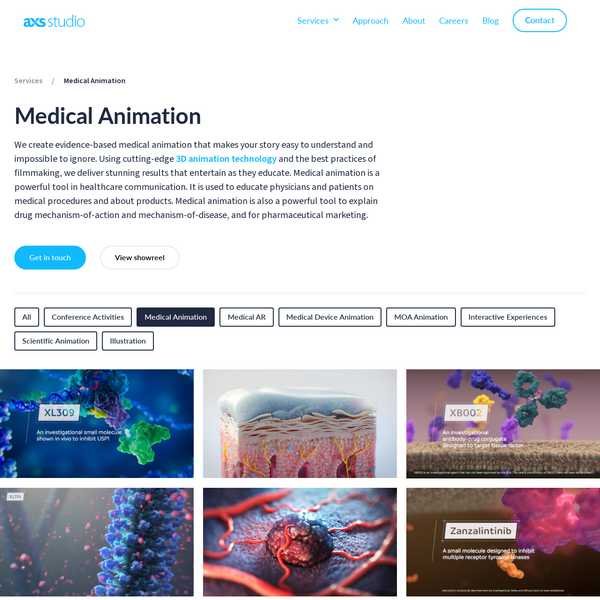
Comprehending health data is often challenging when explanations consist of specialized vocabulary, text or obscure diagrams. Patients and families now require health information that is transparent and easy to navigate. 3D medical animation provides a visual method to explain complex biological functions, surgeries, therapies and illnesses - these animations assist healthcare providers in delivering vital data in a format that many viewers follow easily - showing how structures and systems operate.
Enhancing the Comprehension of Intricate Information
Medical data frequently includes concepts that are not visible during daily activities. Patients often need to understand organ functions, the physical impact of a disease or the steps of a specific surgery. Static pictures are helpful but they do not always show motion or changes that occur over a duration of time. Animation illustrates these steps in a sequence, which helps viewers create a precise mental image of internal bodily functions.
3D medical animations are also more accessible to individuals who lack medical training. Healthcare educators use visual sequences to show primary ideas instead of requiring consumers to translate technical jargon or complex anatomy charts - this method is particularly useful for explaining treatments, diagnostic tests, the effects of medicine or surgical methods that are difficult to describe with text.
Assisting Patient Education
Successful patient education requires that data is clear enough for individuals to use when they make health choices. Animations support dialogues between medical professionals and patients - acting as a visual guide. A doctor or educator uses an animation to show what a condition looks like and how a suggested treatment works.
Visual tools also allow patients to study information after a medical appointment ends. Individuals often forget parts of a spoken explanation when they receive new or difficult data. A precise animation presents the same idea in an even format - this allows viewers to watch the material again to strengthen their knowledge before they ask more questions or talk about options with a medical expert.
Improving the Accessibility of Health Communication
Audiences have varying levels of health knowledge, language skills and ways of learning. Written documents are useful but they do not communicate with equal success to every viewer. Visual narratives lower these obstacles - showing concepts instead of using only text. Animation is therefore a helpful addition to websites, patient portals and educational presentations.
Organizations also use animations to communicate in a consistent way across different platforms. A single video is adaptable for a clinic website, a waiting room screen or social media. When content includes clear visuals and narration, it reaches individuals who prefer watching and listening over reading long medical texts.
Increasing Interest & Attention
Daily exposure to visual media influences how individuals expect to see information online. Healthcare groups must capture attention while they provide accurate facts. Animation makes educational content more interesting without treating serious topics as entertainment. Movement and clear illustrations guide viewers through the data and keep them focused more effectively than long paragraphs.
High interest also encourages individuals to spend more time learning about a health subject. An informative video introduces a condition in a way that prompts viewers to look for more resources. Visual content is part of a strategy that helps patients take a more active role in their own health when it is combined with facts and context.
Supporting Confidence & Knowledgeable Choices
Transparent communication helps consumers feel more certain when they evaluate health data. Animations that show anatomy and biological steps accurately make difficult explanations easier to follow. Visual quality must always prioritize medical accuracy. Responsible communication identifies the difference between general education and specific medical advice to avoid creating false expectations about results.
Consumers find medical data through websites, mobile apps and videos as healthcare becomes more digital. 3D medical animations help organizations present this data in an organized way. The ability to show difficult subjects visually makes the animations a useful tool for patients and the public.
Conclusion
3D medical animation is important because it is a practical way to make difficult health data easier to learn and share. Animation supports patient education and accessibility, which helps it work alongside traditional communication. As the public searches for clearer digital resources, medical animations help connect professional knowledge with general understanding.
Tags : 3D medical animations