Which Electric Barrel Pump Manufacturers and Suppliers Offer the Best Solutions in India
By Giza Pumps 14-04-2026 211
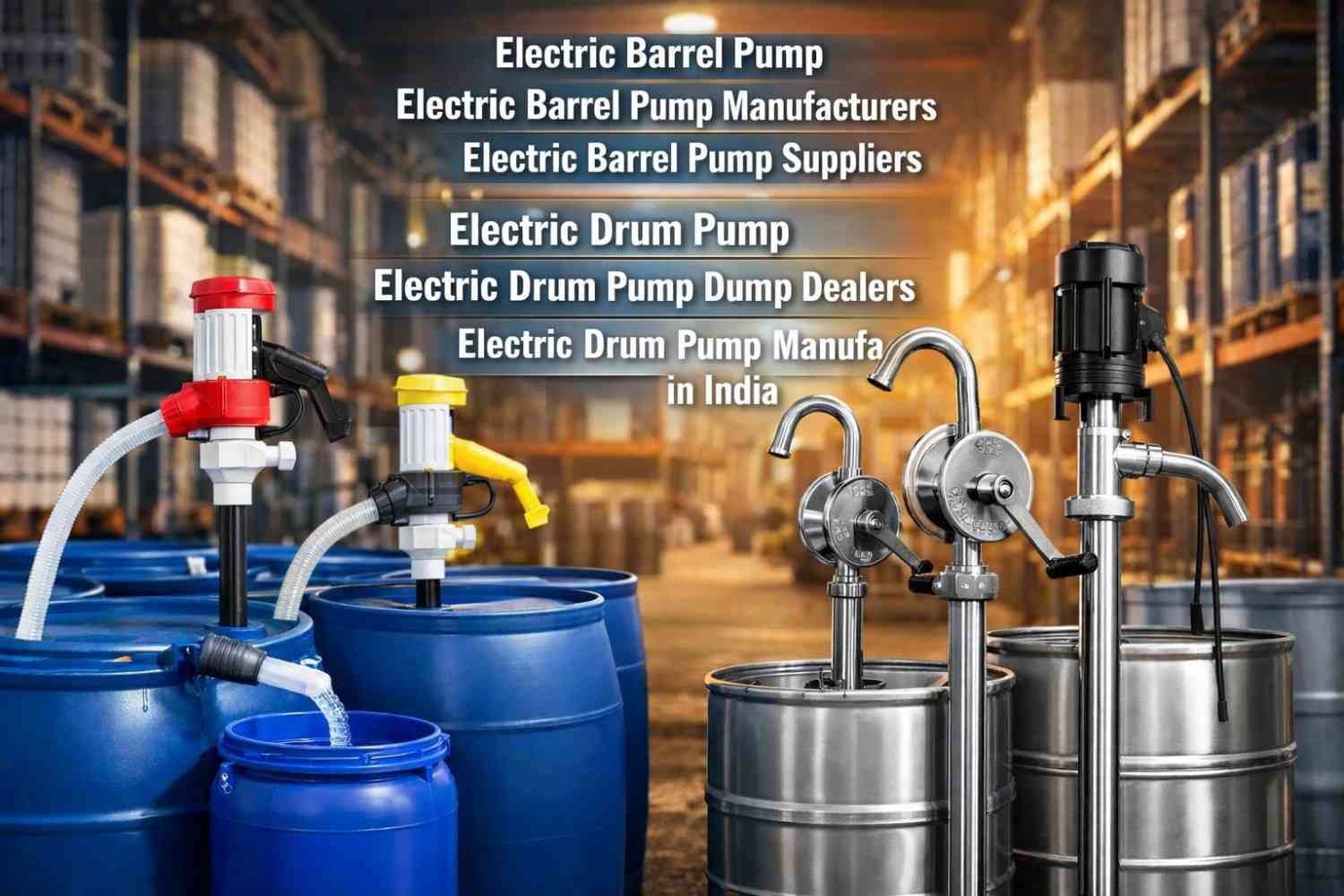
The first shipment looked perfect on paper—same drawings, same motor rating, same Electric Drum Pump model number. And yet, within 19 days of operation, the flow rate dipped by 14%, and the motor casing started overheating during solvent transfer. That’s where most buyers get blindsided. Specifications match. Performance doesn’t.
Most procurement teams assume that if two Electric Barrel Pump Manufacturers quote identical specs, the outcome will be identical too. It won’t. The difference usually shows up under load, not in a PDF datasheet. And by the time you notice, the pump is already installed, the drum is half empty, and your production line is waiting.
The Spec Detail Most Buyers Skip in an Electric Drum Pump
Motor Capacity vs Actual Load Conditions
That’s where things start to drift. A 0.5 HP motor on paper may not sustain viscous fluids beyond 600 cP. Many Electric Drum Pump Manufacturers in India don’t disclose performance drop-offs under real viscosity ranges. Expect up to a 22% efficiency drop if the motor isn’t matched correctly.
Tube Material Compatibility
Which means stainless steel isn’t always safer. For aggressive chemicals, polypropylene or PVDF variants of an Electric Barrel Pump can outperform steel in corrosion resistance over a 14-month cycle.
Seal Quality and Type
Most buyers don’t ask what grade of seal is used. That’s a mistake. A standard NBR seal may degrade within weeks when exposed to solvents like toluene. Mechanical seals cost more upfront but reduce replacement frequency by nearly 40%.
Flow Rate Under Head Pressure
And yet, many datasheets quote flow rates at zero head. Real-world setups involve vertical lifts of 1.5–2 meters. That alone can reduce output by 18–25%.
What a Weak Supplier Answer Actually Sounds Like
- “We can customize anything”
That usually means no standardization. Reliable Electric Drum Pump Suppliers will define limits clearly. Vague flexibility often leads to inconsistent builds. - “We’ll share test reports after order confirmation”
That’s a red flag. A serious Electric Drum Pump Dealer should provide performance data upfront. Waiting means you’re buying blind. - “This model works for all chemicals”
No pump does. Anyone claiming universal compatibility is either overselling or under-informed. - “Lead time depends on production load”
Which means delays are likely. Good suppliers commit to a fixed window—typically 12–18 working days for standard units. - “Warranty claims handled case by case”
That’s not a policy. That’s a negotiation trap after failure.
Where the Right Pump Actually Protects Your Margins
A properly selected Electric Drum Pump does more than move liquid. It protects your bottom line in ways most teams underestimate.
- Reduced Downtime
A 6-hour shutdown in a mid-sized plant can cost ₹45,000–₹70,000. Reliable pumps cut unplanned stoppages by up to 31%. - Lower Maintenance Cycles
Better seals and material compatibility reduce servicing frequency from every 3 months to nearly 7–8 months. - Consistent Flow Accuracy
Which matters in dosing applications. A deviation of even 5% can disrupt batch consistency. - Operator Safety
Poorly insulated motors increase risk. Certified builds reduce incident rates by nearly 18% in chemical handling setups. - Energy Efficiency
Higher efficiency motors reduce power consumption by 9–12% annually across continuous operations.
Why Location Is a Supply Chain Decision, Not Just an Address
India’s industrial clusters play a bigger role than most buyers admit. Electric Drum Pump Manufacturers in India based in Gujarat and Maharashtra often have faster access to raw materials and casting units. That reduces lead times by 3–5 days compared to smaller hubs.
And yet, buyers chasing lower quotes from unknown regions often face inconsistent dispatch schedules. That delay doesn’t show up in pricing—it shows up in missed production targets.
From Electric Barrel Pump Suppliers in Delhi NCR to Electric Drum Pump Dealers in Mumbai, availability varies not just by geography but by inventory discipline. Stock-ready suppliers reduce emergency procurement costs by nearly 26%.
About Us
We’ve been in this space long enough to know where things break—not just in design, but in real use. At Giza Pumps, we’ve worked with buyers across 31 countries since 2013, and we’ve seen the same pattern repeat: what looks right on paper fails under pressure.
We made a change in 2021 after three clients reported premature seal wear in solvent-heavy environments. We switched seal suppliers, re-tested across 9 chemical types, and extended lifecycle performance by 37%. That’s not theory. That’s feedback turned into design.
If you’re sourcing an Electric Drum Pump, send us your fluid type, viscosity range, drum size, and expected flow rate. We’ll respond within 24 hours.
Our MOQ starts at 5 units for standard models. Custom builds take 14–18 working days. No vague timelines. No “we’ll see after order” conversations.
Reach out to Giza Pumps with actual requirements—not just a model number—and we’ll tell you what works and what doesn’t.
Conclusion
A failed Electric Drum Pump doesn’t just stop fluid transfer—it delays production, increases maintenance overhead, and quietly eats into margins.
And the frustrating part? Most of it was avoidable with better supplier evaluation.
FAQs
1. How do Electric Drum Pump Dealers differ from manufacturers?
Dealers stock and distribute, while manufacturers build. Some Electric Drum Pump Dealers don’t control quality—they rely entirely on upstream suppliers.
2. Are Electric Barrel Pump Suppliers responsible for after-sales service?
Not always. Some Electric Barrel Pump Suppliers only handle dispatch. Service depends on agreements, so clarify this before purchase.
3. Can one Electric Drum Pump handle multiple chemicals?
Technically yes, but it’s risky. Cross-contamination and seal degradation are real concerns. Dedicated pumps are safer.