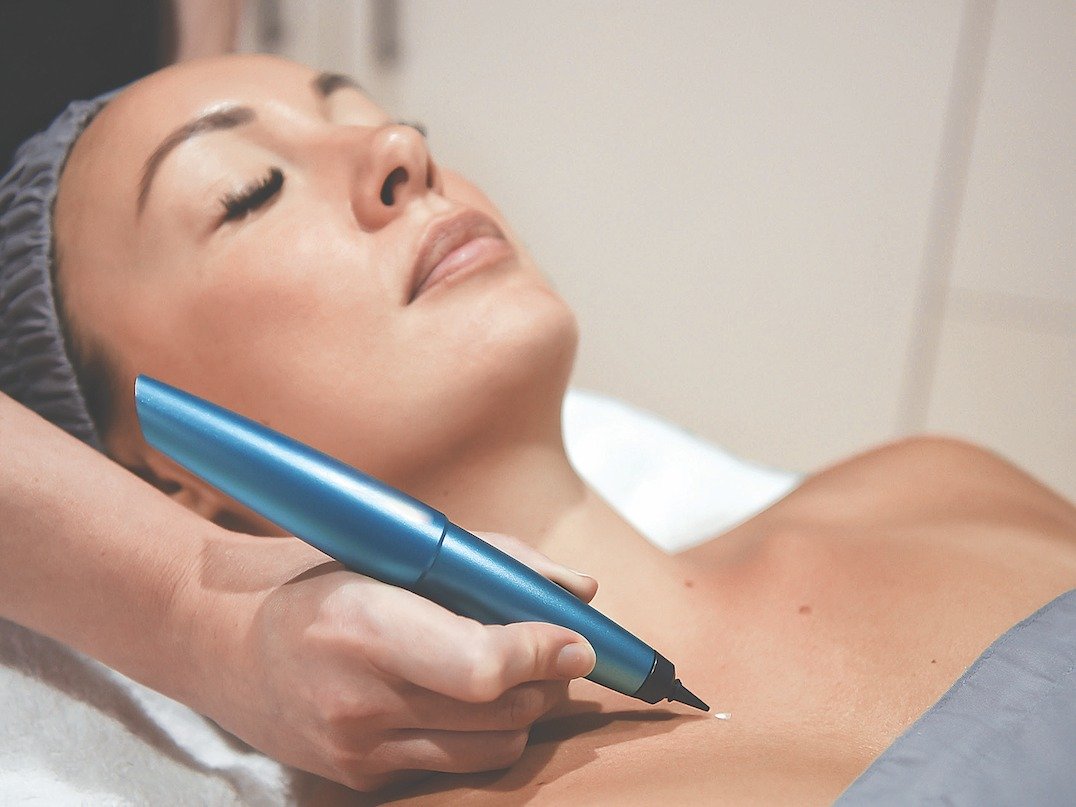
Skin tags are small, soft growths that often appear in areas where the skin experiences frequent friction, such as the neck, underarms, eyelids, and groin. While they are generally harmless, many individuals seek professional advice when these growths become bothersome or change in appearance. In many cases, people exploring Skin Tag Removal in Dubai begin to question when it’s necessary to have these growths evaluated by a specialist rather than ignoring them.
These benign growths, medically known as acrochordons, are common and usually painless. However, their presence can sometimes signal underlying factors such as hormonal changes, weight fluctuations, or skin irritation. Understanding when a skin tag transitions from harmless to something requiring attention is key to maintaining overall skin health.
When Skin Tags Change in Appearance
One of the most important reasons to consult a specialist is any noticeable change in a skin tag’s appearance. While skin tags are typically flesh-colored or slightly darker, sudden changes in color, size, or shape should not be ignored.
If a skin tag becomes significantly larger over a short period or develops irregular edges, it may require closer examination. Though rare, certain skin conditions can mimic the appearance of a skin tag, and only a trained professional can accurately distinguish between them. Monitoring these changes ensures early detection of any unusual developments and provides peace of mind.
Persistent Discomfort or Irritation
Skin tags are usually painless, but they can become irritated when exposed to constant friction from clothing, jewelry, or shaving. If a skin tag frequently becomes red, inflamed, or painful, it’s a clear sign that professional evaluation is necessary.
Repeated irritation can lead to minor injuries, bleeding, or even infection. In such cases, removing the skin tag under proper supervision helps prevent further complications and ensures the surrounding skin remains healthy. Seeking timely care also minimizes the risk of scarring caused by repeated trauma.
Bleeding or Sudden Sensitivity
Another strong indicator that a skin tag should be checked is unexpected bleeding or increased sensitivity. While accidental pulling or scratching can cause minor bleeding, spontaneous bleeding without any apparent reason should raise concern.
Similarly, if a skin tag becomes tender to the touch or starts causing discomfort during everyday activities, it’s best to consult a specialist. These symptoms may not necessarily indicate a serious issue, but they warrant professional assessment to rule out other possibilities.
Rapid Growth or Multiplication
It is not uncommon for individuals to develop multiple skin tags over time. However, a sudden increase in the number of growths or rapid expansion in size can signal underlying factors that need attention.
Hormonal imbalances, metabolic changes, or certain health conditions may contribute to the sudden appearance of multiple skin tags. Consulting a specialist helps identify the root cause and determine whether removal or further evaluation is necessary. Early intervention can prevent future occurrences and support better skin management.
Location Matters More Than You Think
The placement of a skin tag plays a significant role in determining whether it should be examined. Skin tags in sensitive or highly visible areas, such as the eyelids or face, require extra care.
Growths near the eyes, for example, should never be handled without professional guidance due to the delicate nature of the surrounding skin. Similarly, skin tags in areas prone to constant friction or moisture may require removal to prevent irritation or infection.
A specialist can assess the location and recommend the safest and most effective approach for removal, ensuring minimal discomfort and optimal results.
Difficulty in Self-Identification
Many people assume that all small skin growths are harmless skin tags, but this is not always the case. Certain conditions, such as warts or other benign lesions, can resemble skin tags closely.
Attempting to self-diagnose or remove these growths at home can lead to complications, including infection or scarring. A professional evaluation eliminates guesswork and ensures that the correct diagnosis is made before any removal procedure is considered.
This step is particularly important for individuals with a history of skin conditions or those who notice unusual characteristics in their skin growths.
Cosmetic Concerns and Confidence
While medical reasons often drive the decision to consult a specialist, cosmetic concerns are equally valid. Skin tags, especially in visible areas, can affect self-confidence and overall appearance.
Seeking professional advice ensures safe and hygienic removal methods that deliver better aesthetic outcomes compared to at-home solutions. A specialist can recommend the most suitable technique based on the size, location, and number of skin tags, helping individuals achieve smoother, clearer skin.
When in Doubt, Seek Expert Guidance
A good rule of thumb is to consult a specialist whenever there is uncertainty. Even if a skin tag appears harmless, professional evaluation provides reassurance and prevents potential issues from being overlooked.
Regular skin checks are a proactive way to maintain healthy skin and address any concerns early. Whether it’s a single growth or multiple tags, timely consultation ensures that appropriate measures are taken without delay.
In conclusion, while skin tags are generally benign, certain signs such as changes in appearance, discomfort, bleeding, or rapid growth should never be ignored. Seeking expert advice ensures accurate diagnosis and safe management, especially for those considering Skin Tag Removal as part of their skincare journey.