In today's competitive business environment, organizations must focus not only on increasing production and exports but also on maintaining regulatory compliance and environmental responsibility. Government initiatives and compliance frameworks help businesses achieve these objectives while supporting long-term growth and sustainability.
Two important mechanisms that contribute significantly to these goals are the Export Promotion of Capital Goods Scheme and EPR Registration. While the Export Promotion of Capital Goods Scheme helps businesses reduce costs associated with importing capital goods, EPR Registration focuses on environmental accountability and waste management responsibilities.
Together, these frameworks support industrial growth, export competitiveness, and sustainable business practices. Understanding how they work can help businesses improve operational efficiency while meeting regulatory obligations.
Understanding the Export Promotion of Capital Goods Scheme
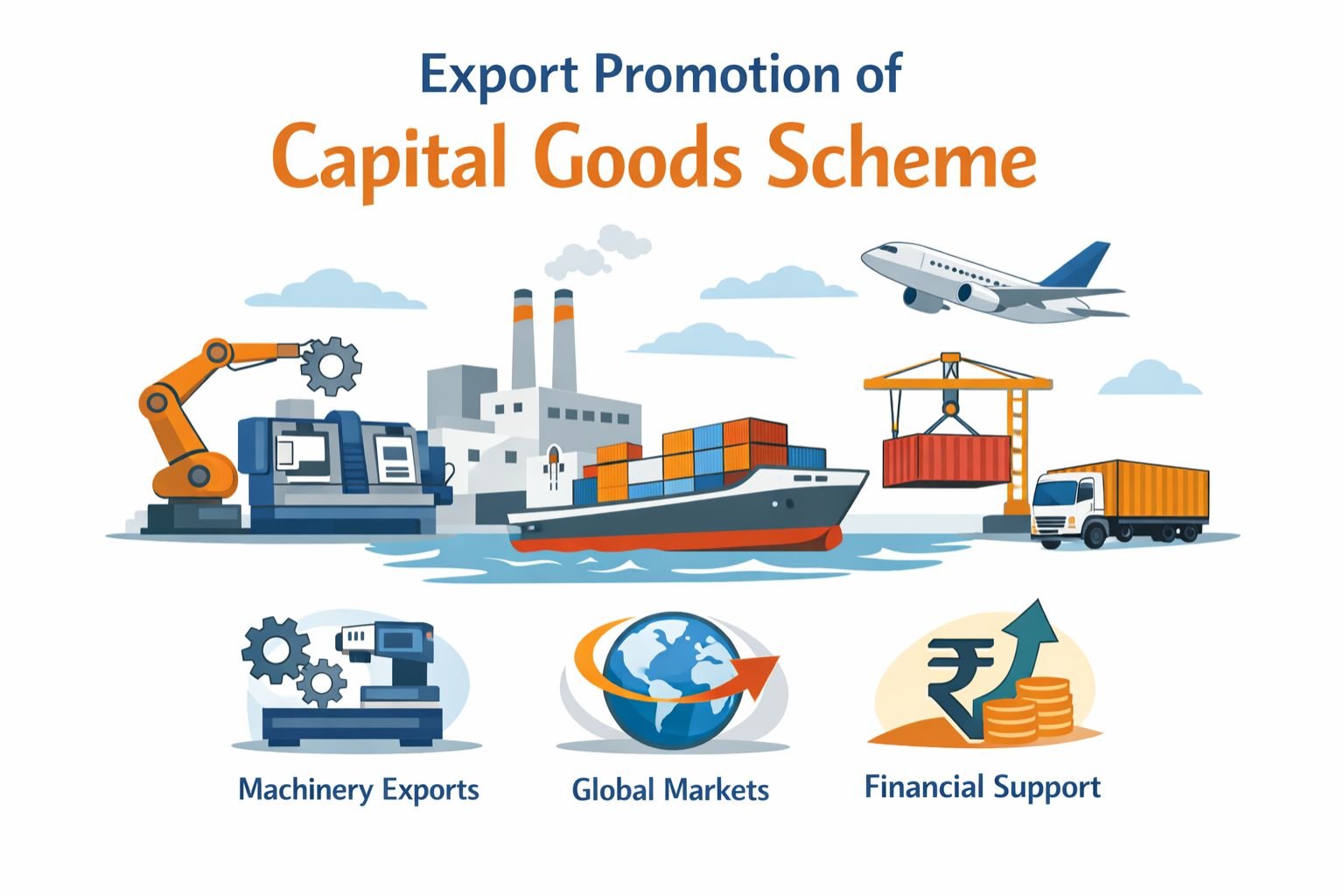
The Export Promotion of Capital Goods Scheme is an export incentive program designed to encourage domestic manufacturing and improve export competitiveness.
Under this scheme, businesses can import capital goods required for production at reduced or zero customs duty, subject to specified export obligations. These capital goods may include machinery, equipment, production systems, and technological tools used in manufacturing and service sectors.
The primary objective of the scheme is to help businesses modernize their operations, improve productivity, and strengthen their position in international markets.
By reducing the financial burden associated with importing advanced equipment, the scheme supports economic growth and industrial development.
Key Benefits of the Export Promotion of Capital Goods Scheme
The scheme provides several advantages for eligible businesses.
Reduced Capital Investment Costs
Lower import duties improve affordability.
- Businesses can acquire advanced machinery and production equipment at significantly reduced costs, allowing them to invest more efficiently in modernization and expansion.
- Reduced upfront expenses often improve cash flow and support long-term business planning.
Improved Export Competitiveness
Modern equipment enhances production quality.
- Access to advanced technology enables businesses to increase efficiency, improve product quality, and meet international market standards more effectively.
Encourages Business Expansion
Growth becomes more accessible.
- Companies can increase production capacity and explore new export opportunities without facing excessive capital expenditure.
What Is EPR Registration?
EPR Registration, or Extended Producer Responsibility Registration, is an environmental compliance requirement applicable to producers, importers, and brand owners dealing with certain categories of products and packaging materials.
The concept of EPR is based on the principle that businesses should take responsibility for managing the environmental impact of products after their useful life ends.
Through EPR Registration, organizations become part of a regulated framework that promotes waste collection, recycling, recovery, and environmentally responsible disposal practices.
The registration process helps authorities monitor compliance and encourage sustainable waste management systems across industries.
Importance of EPR Registration
Environmental compliance has become increasingly important for modern businesses.
Supports Sustainable Waste Management
Responsible disposal reduces environmental impact.
- EPR Registration helps ensure that businesses participate in collection and recycling programs that reduce landfill waste and support resource recovery initiatives.
Enhances Regulatory Compliance
Meeting legal obligations reduces risk.
- Businesses with valid EPR Registration are better positioned to comply with environmental regulations and avoid penalties associated with non-compliance.
Strengthens Brand Reputation
Consumers value sustainability.
- Organizations that actively participate in environmental responsibility programs often gain greater trust among customers, investors, and business partners.
How Export Promotion of Capital Goods Scheme and EPR Registration Work Together
Although these frameworks serve different purposes, they often apply to the same organizations.
For example, a manufacturing company may utilize the Export Promotion of Capital Goods Scheme to import advanced machinery that improves production capabilities. At the same time, the company may require EPR Registration if it manufactures, imports, or distributes products covered under waste management regulations.
Together, these initiatives support both business growth and environmental responsibility.
Businesses that successfully manage both requirements often develop stronger compliance systems, improved operational efficiency, and enhanced market credibility.
Industries That Commonly Benefit from Both Frameworks
Several sectors frequently interact with both export promotion and environmental compliance requirements.
Electronics Manufacturing
Technology-driven industries rely heavily on advanced equipment.
- Electronics manufacturers often use imported machinery under the Export Promotion of Capital Goods Scheme while managing electronic waste responsibilities through EPR Registration.
Consumer Goods Sector
Production and packaging requirements create compliance obligations.
- Businesses manufacturing packaged consumer products may benefit from capital equipment incentives while participating in packaging waste management programs.
Automotive Industry
Large-scale production requires sophisticated machinery.
- Automotive manufacturers frequently invest in imported capital goods and may also address recycling and waste management responsibilities through EPR compliance.
Industrial Manufacturing
Growth and sustainability go hand in hand.
- Industrial producers often use both frameworks to improve operational efficiency while maintaining environmental accountability.
Best Practices for Managing Compliance
Businesses can maximize benefits through effective planning and management.
Maintain Accurate Documentation
Strong records support compliance.
- Companies should maintain documentation related to imported equipment, export obligations, production activities, and waste management programs to facilitate audits and reporting requirements.
Monitor Regulatory Updates
Compliance requirements may evolve.
- Staying informed about changes in export promotion policies and environmental regulations helps businesses adapt proactively and avoid compliance challenges.
Conduct Regular Internal Reviews
Continuous monitoring improves performance.
- Periodic assessments help identify compliance gaps, improve reporting accuracy, and strengthen regulatory preparedness.
Seek Professional Guidance
Expert assistance can simplify complex processes.
- Regulatory consultants and compliance professionals can help businesses navigate registration procedures, documentation requirements, and ongoing obligations more effectively.
Common Challenges Businesses Face
While these frameworks provide significant benefits, implementation may present challenges.
- Understanding export obligations under the Export Promotion of Capital Goods Scheme can require careful planning and monitoring.
- Maintaining accurate records for EPR Registration may become complex for organizations managing large product portfolios.
- Regulatory changes may require ongoing adjustments to compliance procedures.
- Coordinating multiple compliance requirements across departments can increase administrative workload.
Organizations that establish structured compliance systems are generally better equipped to address these challenges successfully.
Long-Term Benefits of Strategic Compliance
Businesses that effectively manage both the Export Promotion of Capital Goods Scheme and EPR Registration often experience substantial long-term advantages.
Reduced equipment acquisition costs support operational growth, while environmental compliance strengthens corporate responsibility and public perception. Together, these benefits contribute to improved competitiveness, stronger stakeholder confidence, and enhanced market opportunities.
In an increasingly regulated and sustainability-focused business environment, organizations that prioritize compliance are better positioned for long-term success.
Conclusion
The Export Promotion of Capital Goods Scheme and EPR Registration serve important but complementary roles in modern business operations. While the Export Promotion of Capital Goods Scheme helps organizations access advanced equipment and improve export competitiveness, EPR Registration promotes responsible waste management and environmental stewardship.
By understanding and effectively managing both frameworks, businesses can achieve regulatory compliance, operational efficiency, and sustainable growth. These advantages not only support immediate business objectives but also contribute to long-term resilience and market success.
Looking to strengthen your export capabilities while maintaining environmental compliance? Consult experienced professionals to streamline your Export Promotion of Capital Goods Scheme benefits and EPR Registration requirements, ensuring efficient operations and sustainable business growth.