What to Wear, Carry, and Prepare for a Comfortable Camel Safari in Dubai’s Desert Climate?
By Jason Clark 13-10-2026 5
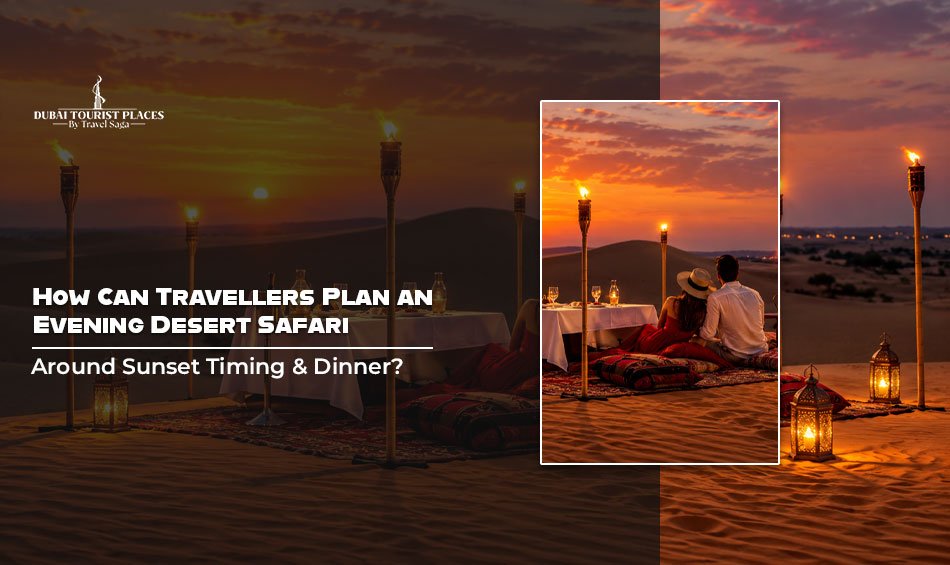
A camel ride across Dubai’s sandy landscape offers a chance to experience a quieter side of the emirate. Away from busy roads and modern attractions, travellers can appreciate the open dunes, watch camels move across the sand, and enjoy the distinctive atmosphere of the desert. However, the experience involves spending time outdoors, where direct sunlight, wind, and changing temperatures can affect comfort. Preparing for these conditions makes the excursion easier to enjoy.
Knowing what to wear, which essentials to carry, and what to expect before departure can help you avoid common travel inconveniences. A suitable outfit protects your skin without restricting movement, while a few carefully chosen items can make the journey more comfortable. Whether you are travelling alone, with friends, or with family, these practical tips will help you prepare for a Camel Safari Dubai experience with greater confidence.
What Should You Wear for a Camel Safari in Dubai?
The ideal outfit for a desert camel ride should be breathable, comfortable, and suitable for sitting on a moving animal. You do not need specialised adventure clothing, but your choices should account for sunlight, sandy ground, and the temperature at your departure time.
Which Clothes Are Suitable for a Camel Safari Dubai Adventure?
Loose-fitting clothes are generally more practical than tight garments because they allow you to move freely when mounting, dismounting, and sitting on the saddle.
Consider these clothing options:
- Lightweight trousers: Linen or breathable cotton trousers provide coverage and help prevent direct sunlight from reaching your legs.
- Long-sleeved tops: Lightweight sleeves can protect your arms from the sun without adding too much warmth.
- Breathable fabrics: Choose materials that feel comfortable against your skin and allow heat to escape.
- A light scarf: A scarf can cover your neck and provide some protection when the wind blows sand around.
- An extra layer: A thin jacket or overshirt can be useful during cooler mornings, especially in winter.
- Comfortable underlayers: Avoid clothing that restricts your hips, knees, or shoulders when you need to move.
Shorts and sleeveless tops may feel comfortable in hot weather, but they leave more skin exposed to sunlight. Lightweight trousers and a breathable top offer a practical balance between coverage and comfort.
What Footwear Works Best on Desert Sand?
Choose footwear that feels secure when walking on uneven or soft surfaces. Lightweight trainers and supportive sandals with straps can both be suitable, depending on the conditions and your preference.
Avoid high heels, slippery soles, and shoes that frequently come off your feet. If you plan to walk around the dunes for photographs, comfortable footwear will help you maintain your balance and move more confidently.
You should also consider how easily your shoes can be cleaned afterwards. Fine sand can collect inside footwear, so shoes that are easy to remove and shake out are useful.
What Should You Carry for a Camel Safari Dubai Trip?
A large bag is rarely necessary for a short outdoor excursion. Instead, carry a few essentials that help you manage sunlight, hydration, personal comfort, and your belongings.
Essential Items for Your Desert Packing List
Sun protection
- Sunscreen with broad-spectrum protection.
- Sunglasses that fit securely.
- A lightweight hat or cap.
- A scarf for additional coverage when needed.
Apply sunscreen before leaving and reapply according to the product instructions. Sunglasses and a hat offer additional protection, but they do not replace sunscreen or appropriate clothing.
Hydration and personal comfort
- Drinking water, unless suitable water provision has been confirmed.
- Tissues or a small packet of wipes.
- Hand sanitiser for use when appropriate.
- Any personal medication you normally require.
- Lip balm if your lips tend to become dry in hot or windy conditions.
Photography and valuables
- A phone or compact camera.
- A protective case to reduce sand exposure.
- A secure strap or zipped pocket for small belongings.
- A small bag that does not interfere with your movement.
Keep unnecessary valuables at your accommodation. Fine sand can enter electronic devices, while loose objects can fall during mounting, dismounting, or movement across the dunes.
How Can You Prepare for Dubai’s Desert Climate?
Dubai experiences a desert climate, with very hot summers and generally milder winters. Conditions can vary considerably depending on the season, time of day, wind, and cloud cover.
How Do You Stay Comfortable in Hot Weather?
Heat management starts before the excursion begins. Wear breathable clothing, apply sunscreen, and drink water regularly. Do not wait until you feel extremely thirsty to consider hydration.
Use these precautions to manage the conditions:
- Check the weather forecast before departure.
- Avoid unnecessary exposure to direct sunlight before and after the ride.
- Wear a hat and sunglasses that fit securely.
- Follow the guide's instructions about breaks and safe movement.
- Tell the guide immediately if you feel dizzy, weak, nauseated, or unusually overheated.
- Avoid carrying more equipment than you can comfortably manage.
During periods of intense heat, consider whether the planned outdoor activity is appropriate for your circumstances. If weather conditions become unsuitable, contact the operator for guidance.
What Should You Wear During Dubai’s Winter?
Winter can offer pleasant conditions for outdoor sightseeing, but early mornings may feel cool before the sun warms the landscape. A lightweight jacket or an additional layer can be useful, particularly if there is a breeze.
Check the forecast for your actual travel date rather than relying only on seasonal expectations. You may need less clothing during a warm morning than on a cooler, windy day.
What Should You Know Before Setting Out on a Camel Ride?
Preparing for a desert excursion also means understanding the timing, location, and general structure of your activity. This helps you decide when to wake up, what to eat beforehand, and how much time to leave for getting ready.
For a morning camel excursion in Dubai's Al Awir Desert, the published itinerary gives travellers a useful planning reference:
- Scheduled start: 8:00 AM.
- Overall duration: Approximately three hours.
- Camel riding: Around 45–50 minutes, with additional time for breakfast and enjoying the surroundings.
- Typical operating days: Daily, subject to availability.
- Starting price: AED 750.
- Arrangements described: Hotel transfers, a camel ride across the dunes, Arabic breakfast, and a cameleer accompanying the camel.
These details help you plan your morning without assuming that the entire excursion is spent on the camel. Actual arrangements should be confirmed before travel because availability, prices, and operating conditions can change. <Cite refs={["turn860373search0"]}/>
What Should You Eat Before the Ride?
Choose breakfast according to your usual routine and how you feel during outdoor activities. A very heavy meal immediately before riding may be uncomfortable, while travelling on an empty stomach may not suit everyone.
If breakfast is part of your excursion, check its timing and what is provided. If you have food allergies or specific dietary requirements, communicate them in advance rather than assuming that every preference can be accommodated.
How Should You Prepare for Hotel Pickup?
If transportation is arranged, confirm the pickup time and location before the day of your excursion. Keep your phone accessible, allow time to get ready, and avoid leaving packing until the last minute.
Before leaving your accommodation, check that you have your essentials, suitable clothing, and any necessary personal medication. This simple routine can prevent avoidable delays.
What Safety Tips Should You Follow During a Camel Ride?
Camels have a distinctive walking motion, and their movement when standing up or sitting down can feel unfamiliar to first-time riders. Listening to the cameleer is important throughout the experience.
Follow these practical guidelines:
- Wait for the cameleer to tell you when and how to mount.
- Hold the designated support points as instructed.
- Follow directions when the camel stands or sits.
- Keep your body balanced and avoid sudden movements.
- Do not stand up or attempt to change your seating position while the camel is moving.
- Keep your phone and camera secure.
- Ask for assistance if you feel uncomfortable.
A cameleer accompanying the camel can provide guidance during mounting, dismounting, and the ride. Follow their instructions instead of attempting unfamiliar movements independently.
If you have concerns about your mobility or ability to sit comfortably, discuss them with the operator before booking. Travellers should not assume that every activity is suitable for every physical circumstance.
How Can You Take Better Photographs in the Desert?
The open dunes create opportunities for photographs that capture the textures of the sand, the camel's silhouette, and the surrounding landscape. Early morning light can be especially appealing, although the result depends on the season and actual weather conditions.
To prepare for photography:
- Clean your phone or camera lens before leaving.
- Use a protective case to minimise sand exposure.
- Keep spare equipment and accessories in a closed bag.
- Ask the cameleer when it is safe to take photographs.
- Avoid leaning or reaching awkwardly while the camel is moving.
- Take additional photographs when the guide indicates that it is safe to stop.
You do not need professional camera equipment to capture memorable pictures. A phone with a clean lens and a secure grip is sufficient for most travellers.
What Mistakes Should You Avoid Before a Desert Camel Ride?
A few simple mistakes can make an otherwise enjoyable excursion less comfortable.
Wearing unsuitable clothes: Heavy fabrics and restrictive garments can become uncomfortable in warm conditions. Choose lightweight clothing that allows movement.
Forgetting sun protection: Cloud cover does not eliminate the need to consider sun exposure. Carry sunscreen, sunglasses, and suitable headwear.
Packing too much: Large bags and unnecessary equipment can make mounting and dismounting more awkward. Bring only what you need.
Ignoring the forecast: Desert conditions are not identical every day. Check the weather and adjust your clothing accordingly.
Assuming every activity is included: A camel ride does not automatically include dune bashing, quad biking, or an overnight desert stay. Check the arrangements for any additional activity you want to experience.
Overlooking booking conditions: Review the applicable cancellation and child policies before confirming an excursion, particularly when travelling with children or planning around a fixed itinerary.
Important Things to Remember Before Departure
Use this quick checklist before leaving your hotel:
- Wear comfortable, breathable clothing.
- Choose secure footwear suitable for sand.
- Pack sunscreen, sunglasses, and a hat.
- Carry water and any necessary personal medication.
- Protect your phone or camera from sand.
- Confirm the pickup details and scheduled departure.
- Check the weather forecast.
- Review the activity's safety guidance and booking conditions.
- Follow the cameleer's instructions throughout the ride.
Preparation does not need to be complicated. A few sensible decisions can help you remain comfortable while enjoying the distinctive landscape of Dubai's desert.
Conclusion
A comfortable camel ride in Dubai begins with practical preparation rather than an elaborate packing list. Lightweight clothes, secure footwear, sun protection, drinking water, and a suitable extra layer can help you adapt to changing desert conditions. Check your departure arrangements, keep your belongings secure, and follow the cameleer's instructions during the ride. With these essentials taken care of, a Camel Safari Dubai experience can become a memorable part of your holiday. If you want to explore more of the emirate beyond its dunes, a Dubai Sightseeing Tour can complement your desert experience with visits to the city's landmarks and attractions.
Frequently Asked Questions
1. What should I wear for a camel safari in Dubai?
Wear loose-fitting, breathable clothes, such as lightweight trousers and a long-sleeved top. Choose secure footwear and bring a light jacket if your excursion takes place during a cooler morning.
2. What should I carry for a Camel Safari Dubai experience?
Carry sunscreen, sunglasses, a hat or scarf, drinking water, a phone or camera, tissues, and any personal medication you need. A small, secure bag is generally more practical than a large backpack.
3. How long does a camel ride in Dubai take?
A morning camel excursion described for Al Awir Desert lasts approximately three hours overall, including around 45–50 minutes of camel riding and additional time for breakfast and enjoying the desert surroundings.
4. Is morning a good time for a camel ride in Dubai?
A morning excursion can help travellers avoid the hottest part of the day. However, temperatures vary by season, so check the forecast and prepare for the actual conditions.
5. Can I wear shorts during a camel safari?
Shorts may be comfortable in warm weather, but lightweight trousers provide more coverage from sunlight and can feel more practical while sitting on a camel. Choose an outfit that allows you to move comfortably.
6. How can I protect myself from the desert heat?
Wear suitable clothing, apply sunscreen, use sunglasses and a hat, and drink water regularly. Follow your guide's instructions and report symptoms such as dizziness or unusual weakness promptly.
7. Is a camel ride suitable for children?
Suitability depends on the child's age, individual needs, and the activity's conditions. Check the applicable child policy before booking, supervise children closely, and follow the cameleer's safety instructions.
8. What should I know about cancellation before booking?
Cancellation conditions depend on the applicable booking terms. Review the specific policy before confirming your excursion, including any deadlines, charges, and refund conditions.