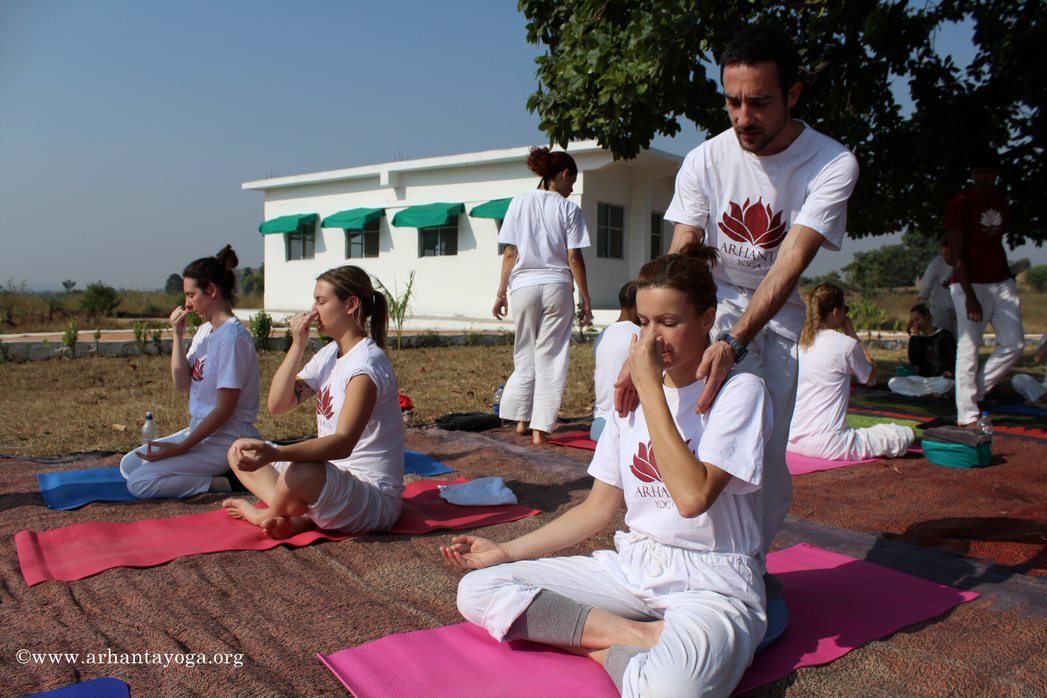
Introduction to 200-Hour Yoga Teacher Training
In today's fast-paced world, more and more people are turning to yoga as a means to find balance, peace, and physical well-being. With the increasing popularity of yoga, many enthusiasts are looking to deepen their practice and share their passion with others. This is where the 200-hour yoga teacher training comes into play.
A 200-hour yoga teacher training is a comprehensive program designed to equip aspiring yoga teachers with the knowledge and skills necessary to lead safe, effective, and inspiring classes. This training is recognized by the Yoga Alliance, the governing body for yoga teachers in the United States, and serves as the foundational requirement for becoming a registered yoga teacher (RYT).
But why stop at just practicing yoga? Have you ever considered taking the next step and becoming a certified yoga teacher yourself? Imagine guiding others on their yoga journey, helping them find the same sense of peace and fulfillment you have experienced.
Understanding the 200-Hour Curriculum
The 200-hour yoga teacher training is meticulously designed to provide a well-rounded education in yoga. This curriculum covers a wide range of topics, ensuring you gain a deep understanding of both the theoretical and practical aspects of yoga. Here's a closer look at the key components:
- History of Yoga: Delve into the rich history of yoga, tracing its roots from ancient India to its modern-day practice.
- Philosophy: Explore the philosophical underpinnings of yoga, including the Yoga Sutras, the Eight Limbs of Yoga, and ethical guidelines.
- Styles of Yoga: Gain knowledge of various yoga styles such as Hatha, Vinyasa, Ashtanga, and Yin Yoga.
Throughout the training, students will learn the fundamental principles that form the foundation of a solid yoga practice. These include:
- Anatomy and Physiology
- Asana (Postures) and Alignment
- Pranayama (Breathwork)
- Meditation Techniques
- Teaching Methodology
- Ethics and Professionalism
Did you know that according to the Yoga Alliance, over 15,000 people complete a 200-hour yoga teacher training annually? This growing number highlights the increasing interest and dedication towards deepening yoga practice and sharing its benefits with others.
Anatomy and Physiology in Yoga
Understanding anatomy and physiology is crucial for anyone aspiring to become a proficient yoga teacher. This knowledge not only enhances the effectiveness of your teaching but also ensures the safety of your students. By comprehending how the body works, you can better guide students through asanas, preventing injuries and promoting overall well-being.
During the 200-hour yoga teacher training, you'll explore the various body systems and their specific roles in yoga practice. Here's a comparative table to give you an overview:
Body System | Role in Yoga Practice |
| Musculoskeletal System | Supports movement and maintains posture; crucial for understanding alignment and modifications. |
| Respiratory System | Facilitates breathwork (Pranayama); enhances lung capacity and efficiency. |
| Nervous System | Regulates stress responses; essential for relaxation and meditation techniques. |
| Circulatory System | Improves blood flow and cardiovascular health; important for sustaining energy levels during practice. |
| Digestive System | Promotes detoxification and digestive health through specific poses. |
This comprehensive understanding of anatomy and physiology enables you to create well-rounded, safe, and effective yoga classes. It allows you to:
- Effectively cue and adjust students: Knowing how muscles and joints work helps you provide precise instructions and adjustments.
- Safely modify poses: Tailor poses to fit different body types and abilities, ensuring that everyone benefits from the practice.
- Enhance body awareness: Teach students to listen to their bodies and understand their limits, fostering a mindful practice.
Equipped with this knowledge, you'll be better prepared to support your students' journeys, helping them achieve their fullest potential while minimizing the risk of injury.
Teaching Methodology: From Student to Teacher
The teaching methodology component of the 200-hour yoga teacher training is designed to transform passionate yoga practitioners into confident and effective teachers. This part of the training focuses on the art of teaching, covering essential skills such as sequencing, cueing, and providing adjustments.
One of the highlights of this journey is the hands-on practice teaching sessions. I vividly remember my first experience of teaching a class. My heart was racing, palms sweaty, but the moment I began to guide the class through their first sun salutation, I felt a surge of confidence. The supportive environment and the constructive feedback from my peers and instructors made all the difference.
During these practice sessions, you'll have the opportunity to:
- Develop your teaching voice: Learn how to project your voice and use language effectively to guide students.
- Master sequencing: Create well-rounded classes that flow seamlessly, keeping students engaged and challenged.
- Provide adjustments: Understand how to safely and respectfully adjust students to enhance their practice.
The feedback process is a critical component of the training. Experienced instructors will observe your teaching and provide detailed, constructive feedback. They will highlight your strengths and offer suggestions for improvement, helping you refine your teaching skills. This feedback loop ensures that you grow and develop as a teacher throughout the training.
By the end of the 200-hour yoga teacher training, you will not only have gained a deep understanding of yoga but also the confidence and skills to lead your own classes. This transformation from student to teacher is a profound journey, one that equips you to inspire and guide others on their yoga paths.
Incorporating Meditation and Pranayama
In a 200-hour yoga teacher training, the inclusion of meditation and pranayama (breathwork) plays a pivotal role in deepening your practice and enhancing your teaching skills. These practices are not merely supplementary; they form the very essence of yoga, fostering a holistic development that transcends the physical postures.
During the training, you'll embark on a journey inward, exploring various techniques that calm the mind and energize the body. The daily practice of meditation and pranayama offers numerous benefits, both for personal growth and as a future yoga instructor:
- Stress Reduction: Regular practice helps in reducing stress and anxiety, promoting a sense of inner peace.
- Enhanced Focus: Improves concentration and mental clarity, which is crucial for both personal practice and teaching.
- Emotional Balance: Aids in managing emotions and cultivating a balanced, positive outlook.
- Increased Energy: Breathwork techniques boost vitality and overall well-being.
Here are some of the techniques you will learn during the training:
Technique | Description |
| Anapanasati | A mindfulness meditation focusing on breath awareness. |
| Nadi Shodhana | Alternate nostril breathing that balances the energy channels in the body. |
| Kapalabhati | A cleansing breath technique that invigorates the mind and body. |
| Savasana Meditation | Guided relaxation that helps in integrating the benefits of the practice. |
By integrating these practices into your daily routine, you not only enhance your own yoga journey but also acquire tools that can deeply impact your future students. As you cultivate mindfulness and breath awareness, you'll be better equipped to lead classes that offer a comprehensive yoga experience, promoting both physical and mental well-being.
Personal Growth and Self-Discovery
Embarking on a 200-hour yoga teacher training is not just about mastering yoga postures or learning how to teach; it is a profound journey of personal growth and self-discovery. This transformative experience encourages you to delve deep into your own being, offering insights that can profoundly impact every aspect of your life.
Daily practice and introspection are at the heart of this journey. Through consistent yoga practice, meditation, and reflective exercises, trainees develop a heightened sense of self-awareness and emotional resilience. The rigorous schedule and immersive environment facilitate breakthroughs that extend beyond the yoga mat.
"The 200-hour training was a life-changing experience. It taught me to listen to my inner voice and helped me discover strengths I never knew I had." - Emily R., Past Trainee
"I found a deeper connection to myself and others. The daily practice was challenging but incredibly rewarding." - John M., Past Trainee
Here are some key ways the training fosters personal development:
- Increased Self-Awareness: Regular practice and meditation help you become more attuned to your thoughts, emotions, and physical sensations.
- Enhanced Emotional Resilience: Facing and overcoming challenges during the training builds emotional strength and adaptability.
- Improved Relationships: Understanding yourself better naturally leads to more meaningful and empathetic interactions with others.
- Greater Mindfulness: Incorporating mindfulness techniques into daily life encourages living in the present moment, reducing stress and anxiety.
The impact of this training is profound and long-lasting. As you cultivate a deeper understanding of yourself, you will find that your personal growth translates into more authentic and compassionate teaching. Whether your goal is to teach yoga or simply deepen your practice, the journey of self-discovery in a 200-hour yoga teacher training is a priceless gift that will enrich your life in countless ways.
The Path Forward: Becoming a Certified Teacher
Completing a 200-hour yoga teacher training is an incredible achievement, but it’s just the beginning of your journey as a yoga teacher. The next step is to become a Registered Yoga Teacher (RYT) with the Yoga Alliance, the governing body for yoga instructors.
Steps to Become a Registered Yoga Teacher (RYT)
- Complete a 200-Hour Yoga Teacher Training: Ensure your training program is recognized by the Yoga Alliance.
- Submit Your Application: Create an account on the Yoga Alliance website and submit your training completion certificate.
- Pay the Registration Fee: There is a one-time registration fee and an annual renewal fee to maintain your RYT status.
- Agree to the Code of Conduct: Adhere to the Yoga Alliance’s ethical guidelines and standards.
Career Paths and Opportunities After Certification
With your RYT certification, a world of opportunities opens up for you:
- Teaching at Yoga Studios: Lead classes at local or international yoga studios.
- Private Sessions: Offer personalized yoga instruction to individual clients.
- Corporate Yoga: Bring yoga to the workplace by conducting sessions for businesses.
- Retreats and Workshops: Host specialized yoga retreats and workshops for deeper practice.
- Online Classes: Reach a global audience by offering virtual yoga classes and tutorials.
Considering your goals for teaching yoga is essential. Do you want to share the benefits of yoga with your community, travel the world as a yoga instructor, or perhaps specialize in a particular style or demographic? Reflecting on your aspirations will help you carve out a niche that aligns with your passions and strengths.
"Teaching yoga has allowed me to connect with people on a deeper level and share the transformative power of yoga. It’s incredibly fulfilling." - Sarah L., Certified Yoga Teacher
Becoming a certified yoga teacher is a rewarding and impactful journey. Whether you aim to teach professionally or simply deepen your practice, the skills and knowledge you gain from a 200-hour yoga teacher training will serve as a solid foundation for your future endeavors.
Conclusion
Completing a 200-hour yoga teacher training is a transformative experience that offers numerous benefits. From deepening your understanding of yoga's history and philosophy to mastering the art of teaching, this training equips you with the skills needed to lead safe, effective, and inspiring yoga classes.
Key Benefits of a 200-Hour Yoga Teacher Training
- Comprehensive Knowledge: Gain in-depth knowledge of yoga styles, anatomy, physiology, and teaching methodology.
- Personal Growth: Experience profound personal growth and self-discovery through daily practice and introspection.
- Professional Development: Develop the confidence and competence to teach yoga professionally or share the practice with your community.
- Holistic Approach: Learn about meditation, pranayama, and other yogic practices that enhance both personal and teaching practices.
Opportunities for Growth
Beyond the tangible skills, a 200-hour training promotes significant personal and professional growth. You'll not only become a better practitioner but also a more compassionate and effective teacher. The journey fosters self-awareness, discipline, and a deeper connection to the yoga community.
"The 200-hour training was a life-changing experience. It opened my eyes to the true essence of yoga and transformed my approach to teaching." - Jane D., Certified Yoga Teacher
Take the First Step
If you're passionate about yoga and eager to deepen your practice, taking the first step towards a 200-hour yoga teacher training is a decision you won't regret. Whether your goal is to teach professionally or enhance your personal practice, this training provides a solid foundation for your journey.
Embrace the opportunity for growth, both on and off the mat, and embark on a path that enriches your life and the lives of those you teach. Start your yoga teacher journey today!
FAQs About 200-Hour Yoga Teacher Training
Embarking on a 200-hour yoga teacher training journey can bring up many questions. Below, we've compiled some of the most frequently asked questions to help you better understand the process, costs, and what to expect.
Frequently Asked Questions
- What is the duration of the training?Most 200-hour yoga teacher training programs span over 4 to 12 weeks, depending on whether you choose a full-time or part-time schedule.
- How much does the training cost?Costs can vary widely depending on the location, instructors, and facilities. On average, you can expect to pay between $1,500 to $3,500.
- Do I need prior yoga experience?While having some prior yoga experience can be beneficial, most programs are designed to accommodate all levels, from beginners to advanced practitioners.
- What certification will I receive?Upon successful completion of the training, you will receive a 200-hour certification recognized by the Yoga Alliance, allowing you to register as a Registered Yoga Teacher (RYT).
- What should I expect in terms of daily schedule? Daily schedules typically include a mix of asana practice, lectures on anatomy and philosophy, teaching methodology, and personal study time. Expect to invest around 8-10 hours per day.
- Are there any prerequisites? Most programs do not have strict prerequisites, but a passion for yoga and a commitment to personal growth are essential.
Additional Resources
For more detailed information, visit the Yoga Alliance website or contact specific training centers directly. Many offer informational sessions or open houses where you can ask more in-depth questions.