A Fire Risk Assessment in Havering is an important part of effective fire safety management for businesses, landlords, property owners, building managers, and other responsible persons. A suitable assessment helps identify potential fire hazards, determine who may be at risk, evaluate existing safety measures, and recommend practical improvements.
Havering has a wide range of residential, commercial, retail, office, industrial, and mixed-use properties. Each building can have different fire risks depending on its size, layout, occupancy, activities, equipment, and construction. A professional fire risk assessment provides a structured approach to understanding these risks and improving fire safety arrangements.
What Is a Fire Risk Assessment?
A Fire Risk Assessment in Havering is a systematic examination of a property to identify potential fire hazards and evaluate the risks they create. It also considers the people who could be affected if a fire occurs.
A typical assessment considers:
- Sources of ignition
- Combustible materials
- Electrical equipment
- Heating systems
- Cooking facilities
- Fire alarm systems
- Emergency lighting
- Fire doors
- Escape routes
- Fire extinguishers
- Fire safety signage
- Emergency procedures
- Staff and occupant awareness
The assessment should be appropriate to the type and complexity of the premises.
Why Is Fire Risk Assessment Important in Havering?
Fire can spread rapidly, and inadequate preparation may make evacuation more difficult. A fire risk assessment helps responsible persons identify weaknesses before an emergency occurs.
For a business or property in Havering, an assessment may identify issues such as blocked corridors, damaged fire doors, poor storage practices, faulty fire safety equipment, inadequate signage, or insufficient emergency procedures.
The assessment can then provide recommendations to reduce or control those risks.
Who Needs a Fire Risk Assessment?
Fire safety responsibilities apply to many types of premises. Depending on the circumstances, responsible persons can include employers, landlords, property owners, occupiers, facilities managers, and other people with control over a premises.
Examples of properties that may require fire safety assessment include:
Offices
Shops
Restaurants
Warehouses
Factories
Hotels
Schools
Care premises
Residential blocks
Rental properties
Community buildings
Mixed-use developments
The exact legal requirements depend on the premises and applicable fire safety legislation.
What Does a Fire Risk Assessment in Havering Check?
A professional assessment should look at the property's overall fire safety arrangements rather than concentrating on one piece of equipment.
1. Fire Hazards
The assessor identifies possible sources of ignition, including electrical equipment, heating appliances, cooking equipment, machinery, and smoking materials.
2. Combustible Materials
The quantity, location, and management of combustible materials are considered. Poor storage can increase the potential for fire to develop or spread.
3. People at Risk
The assessment considers employees, residents, customers, visitors, contractors, and other people who may be present.
People who may require additional assistance during evacuation should also be considered.
4. Escape Routes
Escape routes and exits are examined to determine whether occupants can reach a place of safety. Corridors, stairways, doors, and exits should remain accessible and appropriately maintained.
5. Fire Doors
Fire doors can help restrict the spread of fire and smoke. Their condition, closers, seals, frames, and surrounding areas may be reviewed during an assessment.
6. Fire Alarm Systems
The assessment considers whether suitable fire detection and warning arrangements are available for the building and its occupants. Testing and maintenance records may also be reviewed.
7. Emergency Lighting
Emergency lighting can help occupants navigate escape routes if normal lighting fails. The condition and maintenance arrangements of emergency lighting should be considered where applicable.
8. Firefighting Equipment
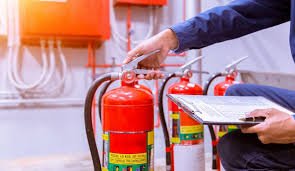
Fire extinguishers and other firefighting equipment should be suitable for the risks present, correctly positioned, accessible, and maintained.
What Happens During a Fire Risk Assessment?
The process normally begins with an inspection of the premises and an understanding of how the building is used.
The assessor may review the building's layout, occupancy, activities, existing fire protection systems, escape arrangements, and relevant documentation.
Potential hazards are then assessed and existing precautions are considered. Where improvements are required, recommendations can be provided.
The final assessment should be specific to the property rather than simply providing generic fire safety information.
What Happens If Fire Safety Problems Are Found?
Finding a fire safety issue does not automatically mean that a property must close. The appropriate response depends on the nature and seriousness of the risk.
Potential recommendations may include:
- Repairing damaged fire doors
- Improving fire alarm arrangements
- Servicing fire extinguishers
- Repairing emergency lighting
- Clearing escape routes
- Improving fire safety signage
- Changing storage arrangements
- Updating emergency procedures
- Providing staff training
- Carrying out additional inspections
More serious hazards should be prioritised and addressed promptly.
How Often Should a Fire Risk Assessment Be Reviewed?
Fire risk assessments should be reviewed regularly and whenever significant changes could affect fire safety.
A review may be appropriate following:
- Building alterations
- Changes in occupancy
- Changes in business activities
- Installation of new equipment
- Changes to escape routes
- Changes to fire safety systems
- Discovery of significant hazards
- A fire or serious incident
Fire safety is an ongoing responsibility. A document should not simply be completed and then ignored.
Fire Risk Assessment for Commercial Properties in Havering
Commercial properties can have different fire risks depending on their activities. Offices may have significant electrical equipment, while restaurants have cooking facilities and potentially combustible materials. Warehouses may have large quantities of stored goods.
A suitable assessment considers the individual characteristics of the premises.
Businesses should also ensure employees understand what to do in an emergency. Fire evacuation procedures, alarm arrangements, emergency exits, and staff responsibilities should be communicated clearly.
Fire Risk Assessment for Residential Buildings
Residential buildings require careful consideration because people may be asleep when a fire occurs. Communal areas, stairways, fire doors, alarm systems, emergency lighting, and means of escape may all be important.
For buildings containing multiple homes, responsible persons should understand the fire safety duties that apply to the building and ensure relevant assessments and safety measures are properly managed.
Why Use a Competent Fire Risk Assessor?
Fire risk assessments should be suitable and sufficient for the premises. The complexity of the building can determine the level of expertise required.
A competent assessor should understand fire hazards, evacuation arrangements, fire protection systems, and the requirements relevant to the type of property being assessed.
For larger or more complex premises, using a suitably qualified professional can provide additional confidence that important risks have been considered.
How Can You Prepare for a Fire Risk Assessment?
Property owners and managers can make the process easier by keeping relevant information available.
Useful documents may include:
- Previous fire risk assessments
- Fire alarm testing records
- Emergency lighting records
- Fire extinguisher servicing records
- Fire door inspection records
- Staff training records
- Emergency procedures
- Building plans
- Maintenance records
It is also useful to report known fire safety defects before the assessment and ensure that escape routes are not unnecessarily obstructed.
Benefits of Regular Fire Safety Management
Regular fire safety management can provide several benefits. It can help identify hazards early, improve emergency preparedness, support compliance responsibilities, and protect people and property.
A well-managed fire safety programme should include more than an assessment. It should also involve appropriate maintenance, staff awareness, equipment testing, emergency planning, and regular reviews.
Conclusion
A Fire Risk Assessment in Havering provides an important way to identify fire hazards and evaluate the effectiveness of existing safety measures. Whether you manage an office, shop, warehouse, residential building, restaurant, rental property, or another type of premises, understanding fire risks is essential.
A professional assessment can identify potential problems involving fire alarms, emergency lighting, fire doors, escape routes, firefighting equipment, storage, and emergency procedures. Once risks have been identified, appropriate improvements can be planned and implemented.
Fire safety should be treated as an ongoing responsibility. Regular reviews, proper maintenance, staff awareness, and prompt action on identified risks can all contribute to safer premises.
FAQs About Fire Risk Assessment Havering
1. Is a Fire Risk Assessment required in Havering?
Where the relevant fire safety legislation applies, the responsible person has duties relating to fire risk assessment and fire safety management. The exact requirements depend on the type and use of the premises.
2. Who is responsible for fire safety?
Depending on the circumstances, responsibility may rest with an employer, landlord, property owner, occupier, building manager, or another person who has control of the premises.
3. What does a Fire Risk Assessment include?
It can include an assessment of fire hazards, people at risk, escape routes, fire doors, alarms, emergency lighting, firefighting equipment, signage, emergency procedures, and other fire safety arrangements.
4. How often should a Fire Risk Assessment be reviewed?
It should be reviewed regularly and whenever significant changes occur that could affect fire safety, such as building alterations, changes in occupancy, new equipment, or changes in activities.
5. Can a Fire Risk Assessment identify fire door problems?
Yes. An assessment can identify visible issues with fire doors and highlight where further inspection, repair, replacement, or maintenance may be required.
6. Does a Fire Risk Assessment include fire extinguisher servicing?
The assessment can consider whether appropriate extinguishers are provided, correctly positioned, accessible, and maintained. Detailed extinguisher servicing may be a separate specialist service.
7. Why should businesses in Havering arrange a professional assessment?
A professional assessment can provide a structured review of fire hazards and existing precautions, helping responsible persons identify weaknesses and implement appropriate improvements.
8. What should I do after receiving a Fire Risk Assessment?
Review the findings, prioritise identified risks, complete recommended actions, maintain relevant records, and review the assessment when circumstances change.