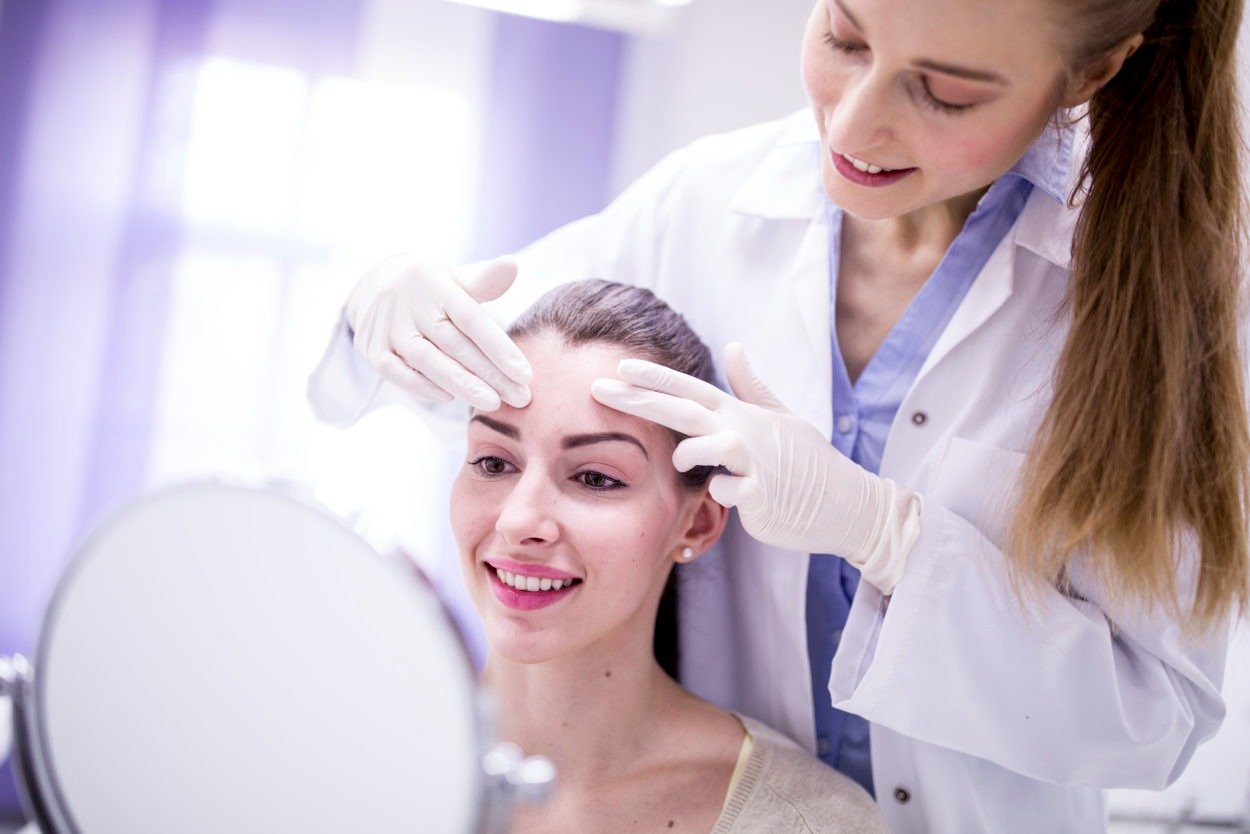
Hair thinning in women can develop for many reasons, including hereditary pattern hair loss, hormonal changes, traction, previous surgery, nutritional deficiencies, or certain scalp conditions. Because the underlying cause varies, transplantation is not simply about adding follicles to areas with reduced density. Careful diagnosis, donor assessment, hairline planning, and realistic expectations all influence how natural and sustainable the final appearance can be.
The quality of the donor area is particularly important. Unlike some men with clearly defined donor zones, women may experience diffuse thinning across both the recipient and donor regions. A suitable candidate therefore needs an individual assessment to determine whether enough stable follicles are available for transplantation.
The design of the hairline also affects the visual result. Female hairlines often require a softer transition, with attention to natural irregularities, follicle direction, density, and facial proportions. The surgeon must also consider how existing hair may continue to change over time.
The technique used, graft handling, placement strategy, postoperative care, and the patient's overall health can all contribute to the outcome. When exploring Female Hair Transplant in Dubai, prospective patients should therefore look beyond the procedure itself and consider the complete treatment process, from diagnosis through long-term follow-up.
Dynamic Life Clinic
Dynamic Life Clinic can be considered by women seeking an individualized approach to hair restoration. A consultation should establish the reason for thinning before transplantation is recommended. This distinction matters because treating an underlying scalp or hormonal issue may sometimes be necessary before surgical restoration.
For suitable candidates, planning can focus on preserving existing follicles while improving coverage in visibly affected areas. During a consultation for Female Hair Transplant in Dubai, patients should ask how donor availability, hair characteristics, and future hair-loss patterns will influence the proposed graft plan.
Enfield Royal Clinic
Enfield Royal Clinic takes an assessment-led approach to hair restoration, making the consultation an important part of treatment planning. For women, the evaluation should consider the pattern and progression of thinning, donor density, scalp condition, hair calibre, and the relationship between existing strands and the proposed recipient areas.
A carefully designed transplant aims to integrate newly placed follicles with the patient's natural hair rather than creating an isolated area of density. With Female Hair Transplant in Dubai, details such as graft distribution, hair direction, spacing, and the shape of the frontal area can significantly influence the overall appearance. Clear discussion of achievable coverage is also important before treatment begins.
Emirates Hospital
Emirates Hospital provides a broader medical setting where patients can discuss hair-related concerns as part of an overall clinical assessment. This can be relevant for women whose thinning may have several contributing factors rather than a straightforward inherited pattern.
A thorough consultation can help distinguish between potentially temporary shedding and more persistent follicular miniaturization. Where transplantation is appropriate, the treatment plan should account for the amount and quality of available donor hair, the intended coverage, and the patient's longer-term expectations.
Cocoona Clinic
Cocoona Clinic is another option for women researching hair restoration services. The planning process should begin with an examination of the scalp and an assessment of whether transplantation is medically and aesthetically appropriate.
Female patients may have concerns about maintaining a natural appearance when wearing different hairstyles or exposing the hairline. Graft placement therefore requires attention to direction, angle, density, and the transition between transplanted and existing hair. The treatment plan should be tailored rather than based solely on the number of grafts.
Al Zahra Hospital Dubai
Al Zahra Hospital Dubai offers a hospital-based environment for patients seeking medical consultations related to hair and scalp concerns. Women experiencing substantial shedding may benefit from understanding the possible contributors before proceeding with a surgical option.
If transplantation is considered appropriate, donor-area stability becomes a central factor. A limited donor supply may require conservative planning to avoid excessive harvesting. The final objective should be proportionate improvement that works with the patient's natural characteristics.
Tajmeels Clinic
Tajmeels Clinic can be included among the Dubai providers that women may investigate when comparing hair restoration options. During an initial assessment, patients should discuss whether their pattern of thinning is suitable for transplantation and what level of density can realistically be achieved.
Hair texture can also shape the visual result. Finer strands may require a different distribution strategy from thicker or naturally curly hair. The surgeon's planning should take these characteristics into account when determining where grafts are most useful.
Dubai Cosmetic Surgery Clinic
Dubai Cosmetic Surgery Clinic provides another setting for patients considering cosmetic hair restoration. Women should pay particular attention to the consultation process, especially when thinning affects the frontal region, temples, or areas where existing hair remains vulnerable.
A transplant does not necessarily stop future loss in untreated follicles. Patients should therefore ask how the proposed treatment fits into a longer-term hair-management strategy. Preservation of existing hair can be just as important as adding transplanted follicles.
King’s College Hospital London Dubai
King’s College Hospital London Dubai provides access to a hospital environment where patients can seek assessment for a range of medical concerns. For women investigating hair restoration, a careful diagnostic process is valuable when the cause of thinning is uncertain or potentially multifactorial.
The suitability of transplantation depends on factors such as donor density, the stability of hair loss, scalp health, and the expected progression of thinning. Patients should also receive clear information about recovery, possible limitations, and the timeframe required before the transplanted follicles begin contributing to visible improvement.
How to Choose the Right Clinic for Female Hair Transplant in Dubai
Choosing a clinic involves more than comparing procedure names or advertised graft numbers. The quality of the assessment and treatment plan should be central to the decision.
Experience and Qualifications
Patients should ask who will perform the important stages of the procedure and what experience the medical team has with female-pattern hair loss. Women's hair restoration can present different planning challenges from conventional male-pattern transplantation, particularly when thinning is diffuse.
Technology and Techniques
Different transplantation methods may be appropriate depending on donor characteristics, hair calibre, the size of the recipient area, and the desired coverage. Patients should ask why a particular technique has been recommended rather than selecting a method solely because it is marketed as newer.
Safety Standards
A clinic should follow appropriate infection-control procedures, sterile surgical protocols, patient monitoring, and medically appropriate aftercare. A detailed medical history should also be taken before treatment.
Consultation Process
A meaningful consultation should explain the cause or suspected cause of hair loss, donor suitability, expected coverage, potential limitations, and alternative treatments where relevant. Patients should have an opportunity to ask questions before making a decision.
Patient Experience
Clear communication is an important part of the treatment journey. Patients should understand preparation requirements, recovery expectations, follow-up arrangements, and what changes are normal during the growth cycle.
Expected Results
Hair transplantation is a gradual process rather than an immediate cosmetic change. Transplanted follicles generally require time to establish and produce visible growth. The final appearance also depends on existing hair, donor supply, individual healing, follicular characteristics, and future hair loss.
Frequently Asked Questions
Is hair transplantation suitable for every woman?
No. Suitability depends on the cause and pattern of hair loss, donor-area quality, scalp health, medical history, and whether sufficient stable follicles are available. Some women may benefit more from treating an underlying cause before considering surgery.
Can a female hair transplant create a completely new hairline?
A transplant can improve or restore areas with reduced density, but the design should remain consistent with the patient's facial proportions, existing hair, donor limitations, and long-term expectations. A natural-looking hairline usually requires careful placement rather than simply increasing density.
Does existing hair continue to thin after transplantation?
It can. Transplanted follicles may remain relatively resistant to the process that caused the original loss, but surrounding native hair can continue to thin. A doctor may therefore discuss strategies for preserving existing follicles alongside surgical restoration.
How long does it take to see the results?
Growth occurs gradually. The transplanted follicles may initially shed before entering a new growth cycle. Visible improvement develops over subsequent months, while the final result can take longer as the hairs mature and increase in thickness.
What should women ask during a consultation?
Important questions include the likely cause of hair loss, donor-area suitability, the proposed technique, expected coverage, potential risks, recovery requirements, future hair-loss considerations, and who will perform each stage of treatment.
Conclusion
The outcome of a female hair restoration procedure is shaped by much more than graft placement. Diagnosis, donor quality, hair characteristics, surgical planning, follicular handling, placement direction, aftercare, and the progression of existing hair can all affect the final appearance. For anyone considering Female Hair Transplant, an individualized consultation is essential for determining whether transplantation is appropriate and what level of improvement can realistically be pursued. Comparing qualifications, treatment planning, safety practices, technology, communication, and long-term follow-up can help patients make an informed choice suited to their own hair and scalp characteristics.