What Parents Should Know Before Choosing Violin Lessons for Their Child
By Jane Rochstad 15-04-2026 61
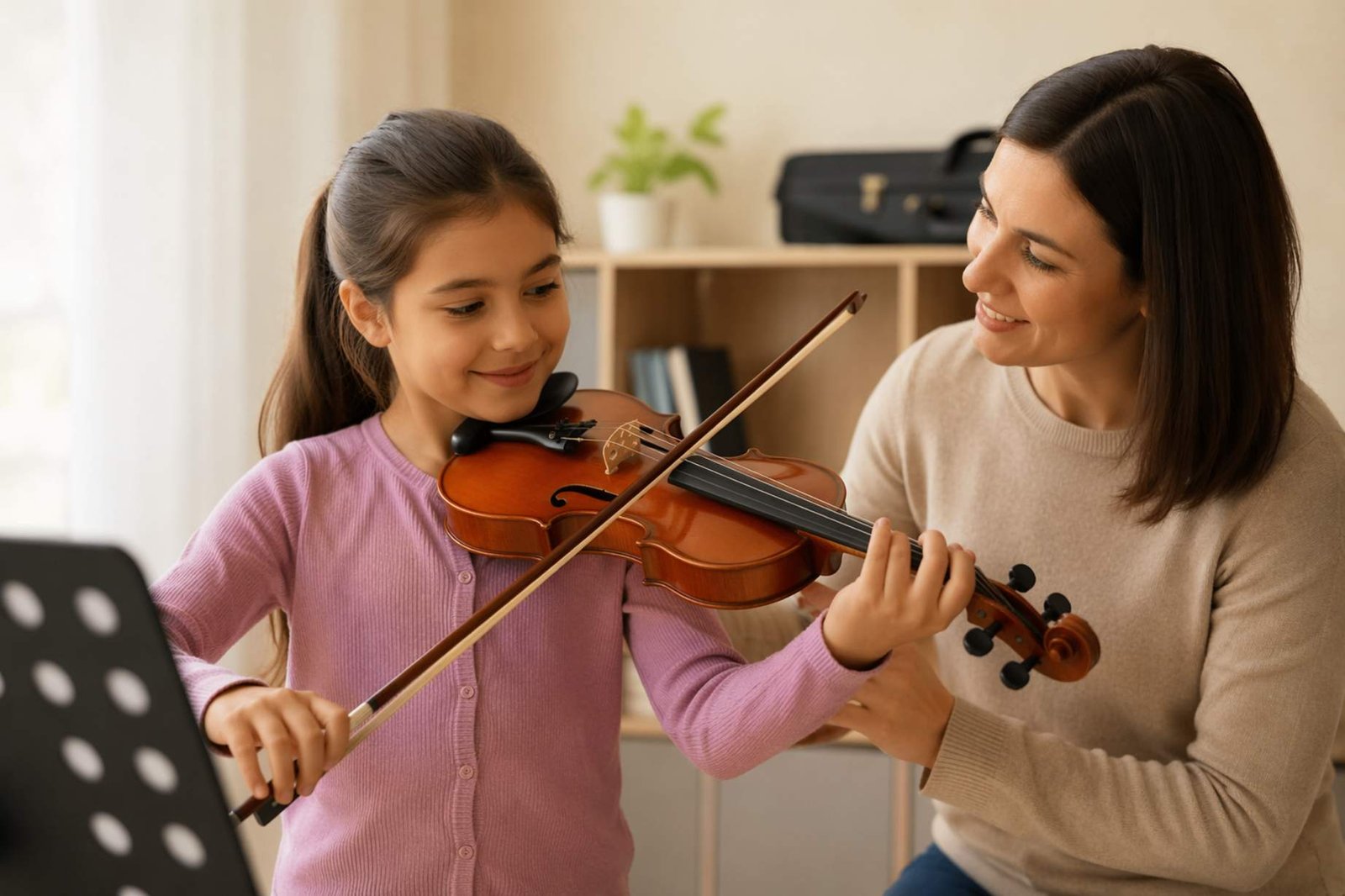
When a child shows interest in music, many parents feel equal parts excited and uncertain. It is easy to like the idea of music lessons, but much harder to know where to begin. Is violin too difficult for a beginner? What age is appropriate? How do you tell the difference between a lesson that builds confidence and one that simply feels too demanding too soon?
These are fair questions, especially because the early learning experience may shape how a child feels about music for years. Good violin lessons are not only about learning where to place fingers or how to hold a bow. They are also about building curiosity, consistency, and enjoyment in a way that suits the child in front of the teacher.
For parents, that means the goal is not just to find violin lessons. It is to find the right kind of violin lessons.
Why violin lessons appeal to so many families
The violin has a reputation for being expressive, elegant, and challenging in the best possible way. It asks children to listen carefully, pay attention to detail, and work patiently towards gradual improvement. That may sound serious, but in practice it often becomes a deeply rewarding creative outlet.
Unlike activities that offer instant results, violin lessons tend to teach children that progress comes from repetition, small wins, and steady effort. A child may start with posture, rhythm, and simple sounds before moving into recognisable melodies. That process often helps build patience as much as musical ability.
It also helps that music sits in a unique space between structure and creativity. A child is learning technique, but they are also learning expression. This is part of why creative activities remain appealing to many families. Articles such as Kids Dance Studio: A Place Where Creativity and Confidence Grow and How Child-Centered Education Improves Student Engagement reflect the same broader idea: children tend to respond well when learning is both guided and enjoyable.
There is no perfect age to begin violin lessons
One of the first questions parents ask is when a child should start. The answer is rarely a fixed number. Age matters, but readiness matters more.
Some children are eager to follow instructions, repeat short activities, and stay engaged with a task for ten or fifteen minutes. Others may love music but need a bit more time before formal lessons feel comfortable. In many cases, the best time to begin is when a child shows real interest and is ready to participate without feeling pushed.
Parents may look for simple signs of readiness:
- curiosity about instruments or songs
- willingness to listen and imitate
- comfort with short bursts of practice
- interest in routine
- excitement rather than resistance
That said, the teaching approach matters just as much as the child’s age. A young beginner may thrive in violin lessons when concepts are introduced gradually and the tone of the lesson feels positive rather than pressured.
What good beginner violin lessons usually include
Not all beginner programmes feel the same, and that difference matters more than many parents expect. A strong beginner experience is usually built around a few simple qualities.
Clear and age-appropriate instruction
Children need explanations that feel manageable. Rather than being overloaded with technical language, they benefit from learning one piece at a time. That might mean focusing first on posture, how to hold the bow, how to make a clean sound, or how to follow rhythm before worrying about bigger musical goals.
A welcoming environment
Children often learn best when they feel safe to make mistakes. In the early stages, encouragement may matter just as much as correction. When a child feels judged too early, confidence may drop quickly. When they feel supported, they are more likely to keep trying.
Small progress markers
Parents sometimes expect visible progress to look like full songs. In reality, early wins may be much smaller and still very important. Holding the violin correctly, improving bow control, recognising pitch differences, and staying focused through a lesson are all signs that the child is building a solid foundation.
Room for personality
Some children enjoy routine and detail. Others respond better to playfulness and variety. Good violin lessons usually leave room for the teacher to adjust their pace and style to match the learner.
What parents should look for before enrolling
Choosing violin lessons is often easier when parents know what to pay attention to beyond price and location.
A teacher who understands children
Teaching skill and playing skill are not always the same thing. A great violinist is not automatically the right teacher for a young beginner. Parents should look for someone who can explain clearly, stay patient, and keep lessons engaging without making them feel chaotic.
A structure that builds confidence
Beginner violin lessons should feel progressive. A child should not be expected to do everything at once. The best programmes often move in a steady sequence, allowing confidence to grow alongside technique.
A learning style that matches the child
Some children prefer one-on-one focus. Others like the idea of community and shared learning. Some enjoy a traditional structure, while others stay motivated when familiar songs and flexible goals are part of the process. The right fit often comes down to personality.
A sense of long-term possibility
It helps when lessons offer more than a narrow weekly routine. Children often stay engaged when music starts to feel like part of a bigger journey rather than a disconnected task.
For parents comparing different options, it may help to look at examples of programmes that explain how they support beginners. One example is violin lessons at The SoundLab, which outlines a child-friendly approach alongside personalised teaching, flexible lesson formats, and performance-based learning opportunities.
Common mistakes parents make when choosing violin lessons
Even well-meaning decisions may create a poor fit. A few patterns come up often.
Choosing only on convenience
A nearby studio is helpful, but convenience alone does not make a programme suitable. If the teaching style does not suit the child, the short travel time will not matter for long.
Expecting fast, obvious results
The violin takes time. Parents who expect immediate fluency may feel discouraged too early, and children often pick up on that pressure. The better question is whether the child is progressing at a healthy pace and still wants to continue.
Comparing children too quickly
Every child learns differently. One may take to rhythm quickly. Another may have strong listening skills but need more time with coordination. Comparing progress too early often creates unnecessary stress.
Overlooking enjoyment
Parents sometimes focus so much on discipline that they miss the importance of enjoyment. Children are far more likely to continue violin lessons when they associate them with challenge and satisfaction, not dread.
Why confidence matters as much as technique
Music education is often discussed in terms of skill, but confidence shapes whether a child stays with it. A child who believes they are capable of learning tends to keep showing up, even when something feels difficult.
This is why early teaching matters. If a lesson structure helps a child feel that improvement is possible, the practical work becomes more meaningful. Bowing exercises, scales, and repetition no longer feel random. They feel connected to progress.
Confidence also grows when children have a chance to share what they are learning. That does not always mean formal stage performance. It may be playing for family, joining a group session, or feeling comfortable enough to try something new without fear of getting it wrong.
The value of participation is reflected across many child-focused activities. Whether a child is dancing, drawing, learning music, or exploring another structured hobby, confidence often develops when progress is visible and supported. That is one reason hobby-based learning remains so appealing to families looking for growth beyond the classroom, a theme that also appears in Start Your 2026 With 7 Smart Hobbies for Mind & Growth.
What a healthy long-term mindset looks like
Parents do not need to decide on a child’s whole musical future in the first month. The more helpful approach is to think in stages.
At the beginning, the focus is usually comfort, curiosity, and routine.
After that, it becomes about consistency, coordination, and listening.
Over time, if the child remains interested, violin lessons may develop into something more personal and rewarding. They may become a steady hobby, a creative outlet, a social activity, or even a serious area of study.
The important thing is not to force that outcome too soon. A child who feels ownership over the process is usually far more likely to stay engaged.
Final thoughts
Choosing violin lessons for a child is rarely just about music. It is also about finding a learning experience that respects who the child is, how they learn, and what helps them feel capable. Good lessons do not simply teach notes. They help build focus, patience, expression, and confidence over time.
For parents, the best decision is usually not the flashiest option or the one that promises the fastest results. It is the one that feels thoughtful, supportive, and suited to the child’s stage of development. When that fit is right, violin lessons may become one of the most rewarding activities a child takes on.
Tags : .....