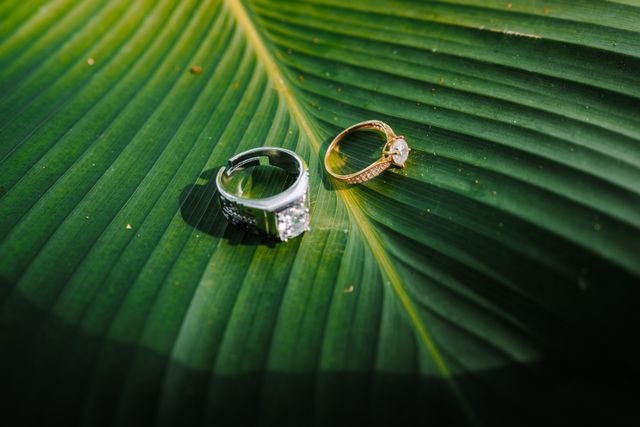
Many people assume engagement rings and wedding bands are essentially the same thing, but these two pieces of jewelry serve distinct purposes and carry different meanings within the context of marriage. Understanding the differences between them helps couples make informed decisions about their jewelry choices and ensures they select pieces that align with their vision for their wedding and married life together.
The Purpose and Symbolism
Engagement rings and wedding bands represent different milestones in a relationship. An engagement ring marks the proposal and the commitment to marry, symbolizing the promise made when someone asks their partner to spend their life together. The engagement ring is typically given first and worn alone during the engagement period. A wedding band, by contrast, is exchanged during the wedding ceremony itself and symbolizes the actual marriage vows.
For many couples, the wedding band is placed on the same finger as the engagement ring after the ceremony, creating a stacked or paired look. This distinction in timing and meaning has deep roots in wedding traditions across many cultures. The engagement ring announces to the world that someone is betrothed, while the wedding band serves as a daily reminder of the marriage commitment once the vows are exchanged.
Design and Style Differences
Engagement rings tend to feature a prominent center stone, such as a diamond or other gemstone, typically set in a way that showcases its size and sparkle. These rings are designed to catch attention and make a statement, often with intricate settings and accent stones surrounding the main gem. Wedding bands are generally simpler and more understated in design, typically plain metal bands, though some feature a subtle pattern, texture, or small accent stones.
The simplicity of wedding bands reflects their purpose as an everyday symbol of marriage that works alongside an engagement ring. Many wedding bands complement the engagement ring's metal type and can be worn stacked or separately depending on personal preference. Because engagement rings are meant to highlight a center stone, they often have wider settings and more elaborate designs compared to the streamlined aesthetic of most wedding bands.
Wearing Conventions and Stacking
Traditionally, an engagement ring is worn on the left ring finger during the engagement period. Once someone marries, the wedding band is placed on the same finger, typically worn closest to the hand, with the engagement ring sitting on top. This stacking arrangement has become a recognizable symbol of marriage in many Western cultures.
However, modern couples have more flexibility with these conventions than ever before. Some people prefer to wear their engagement ring and wedding band on separate hands or choose not to wear an engagement ring at all. Others select wedding bands designed to interlock perfectly with their engagement rings, creating a seamless look when worn together. The choice of how to wear these rings is entirely personal and can depend on lifestyle, comfort, cultural background, or aesthetic preference.
Cost and Investment Considerations
Engagement rings typically represent a larger financial investment than wedding bands due to their prominent center stone and elaborate settings. The cost of an engagement ring depends heavily on the quality and size of the center stone, along with the metal and accent stones used in the design.
Wedding bands, being simpler in design and typically featuring less gemstone material, generally cost significantly less than engagement rings. However, the price of a wedding band can still vary based on the metal type, width of the band, and whether it includes any stone settings or decorative elements. Some couples choose to invest equally in both pieces, while others prioritize one over the other based on their budget and preferences.
When planning a ring purchase for both partners, couples shopping for mens wedding bands will find a range of options across metals and styles to suit both their aesthetic and their budget. The financial dimension of ring planning helps couples allocate resources according to their priorities and circumstances.
Metal and Material Options
Both engagement rings and wedding bands come in various metal options, including white gold, yellow gold, rose gold, platinum, and palladium. Engagement rings often feature metals chosen specifically to complement the center stone and enhance its appearance. Wedding bands are typically selected to match or coordinate with the engagement ring's metal, creating a cohesive look when worn together.
The durability and maintenance requirements vary depending on the metal chosen. For example, platinum is extremely durable and requires minimal maintenance, making it a popular choice for both rings. Gold requires periodic cleaning and may need re-plating over time depending on its purity and usage. Choosing complementary metals for the engagement ring and wedding band ensures they age similarly and maintain their appearance when worn as a set.
Conclusion
The fundamental difference between an engagement ring and a wedding band lies in their purpose, timing, and design. An engagement ring celebrates the proposal and the commitment to marry, typically featuring a prominent center stone and more elaborate design elements. A wedding band is exchanged during the ceremony and represents the actual marriage, usually featuring a simpler, more understated design that complements the engagement ring. Understanding these distinctions helps couples select pieces that feel meaningful and personally significant.
Whether a couple chooses to wear both rings stacked together, separately, or just one depends entirely on their preferences and circumstances. By recognizing what makes these two pieces unique, couples can make informed decisions and choose jewelry they will value for a lifetime.
Tags : .....