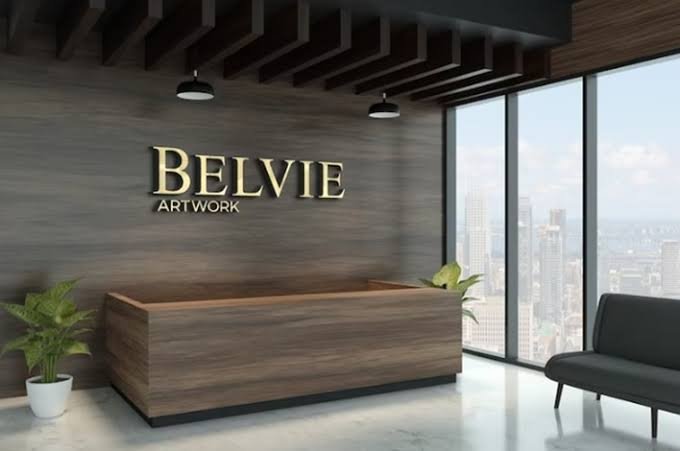
A lobby is often the first interior space customers, clients, employees, and business partners see when they enter an office or commercial property. Because first impressions matter, businesses need more than attractive furniture and professional décor. A well-designed lobby sign can immediately identify the company, reinforce its brand, and make the reception area feel organized and welcoming.
For businesses researching lobby signs los angeles, choosing the right sign involves more than selecting a logo and placing it on a wall. The size, material, typography, colors, lighting, placement, and relationship with the surrounding interior should all be considered. A professional lobby sign should look impressive while remaining easy to read and consistent with the company's identity.
Why Are Lobby Signs Important for Los Angeles Businesses?
A lobby sign serves several purposes at once. First, it confirms that visitors have reached the correct business. This is particularly important in multi-tenant office buildings where several companies may share the same entrance or floor.
Second, a lobby sign strengthens brand recognition. A company's logo, colors, lettering style, and materials can create a visual connection between its physical location and other marketing channels.
Finally, lobby signage contributes to the overall atmosphere of an office. A professionally produced sign can make a reception area feel more established, organized, and credible.
For companies competing in a major commercial market such as Los Angeles, these details can make a meaningful difference in how visitors perceive the business.
How Should a Lobby Sign Match Your Brand?
The sign should reflect the personality of the company. A technology company may prefer a sleek, minimalist design, while a law firm might choose a more traditional combination of dimensional lettering and premium materials.
Businesses should consider their existing branding before finalizing the design. Logo proportions, corporate colors, fonts, and other visual elements should remain recognizable.
However, branding should not compromise readability. A complicated design may look impressive in a concept image but become difficult to understand when installed in a busy reception area.
Which Materials Are Best for Lobby Signs?
There are many material choices available for commercial lobby signage.
Acrylic is a popular option because it provides a clean, contemporary appearance and can be customized in different colors, thicknesses, and finishes.
Metal can create a premium and professional appearance. Brushed aluminum, stainless steel, and other metal finishes may work particularly well in corporate environments.
Dimensional lettering adds depth to a wall and can be produced from acrylic, metal, PVC, or other materials. Raised letters can create subtle shadows and give the sign a more substantial appearance.
Businesses can also combine multiple materials to create a custom design that complements the architecture of the reception area.
How Large Should a Lobby Sign Be?
There is no universal size that works for every business. The sign should be proportional to the available wall space and the size of the reception area.
A small sign may become difficult to notice in a large lobby. On the other hand, an oversized sign can dominate a compact reception area.
Viewing distance should also be considered. Visitors should be able to identify the company without standing directly next to the sign.
Professional signage planning can help determine the appropriate dimensions based on wall size, entrance position, viewing angles, and brand requirements.
Should Lobby Signs Be Illuminated?
Illumination can add another visual dimension to lobby signage. Backlighting, halo lighting, or other lighting techniques can make dimensional letters more noticeable and create a sophisticated appearance.
Illuminated signs can work particularly well in modern offices, hotels, medical facilities, corporate headquarters, and other professional environments.
However, lighting should be used strategically. Excessive brightness may distract from the logo or surrounding interior design. The goal should be to highlight the sign rather than overwhelm the space.
How Do Lobby Signs Work With Other Interior Signs?
A lobby sign should not be treated as an isolated element. It should coordinate with the rest of the workplace signage.
For example, room identification signs, conference room signs, directional signs, restroom signs, and accessibility signage should have compatible visual characteristics.
Businesses looking for an los angeles interior sign company can benefit from planning these elements together. A coordinated signage system can use related materials, typography, finishes, and design details throughout the office.
Accessibility should also be considered. Where applicable, ADA signs los angeles businesses use can be incorporated into the broader signage strategy while maintaining a professional appearance.
What Should Businesses Consider Before Ordering?
Before approving a lobby sign, businesses should confirm the available wall dimensions, mounting surface, sign placement, lighting conditions, building requirements, and brand specifications.
Property managers and tenants should also check whether the building has rules concerning sign dimensions, installation methods, materials, or artwork.
Taking these factors into account before production can help reduce costly changes later.
Choosing a Professional Signage Partner
A commercial signage provider should be able to help with design, material selection, fabrication, and installation. Businesses should review examples of previous projects and ask questions about production timelines, installation requirements, and maintenance.
Working with a local provider can also be helpful because Los Angeles commercial properties can have different architectural and property-management requirements.
Clarity Signworks can help businesses develop lobby signage that combines brand identity, professional design, and practical installation considerations.
Conclusion
A good lobby sign should accomplish more than displaying a company logo. It should identify the business, reinforce its brand, complement the interior environment, and provide visitors with a clear sense of arrival.
From acrylic and dimensional lettering to metal finishes and illumination, Los Angeles businesses have many options for creating a customized reception-area sign. By considering branding, scale, materials, visibility, accessibility, and building requirements, businesses can create lobby signage that remains effective and professional for years.
FAQs
What is the purpose of a lobby sign?
A lobby sign identifies a business, reinforces its brand, and creates a professional first impression for visitors.
What materials are commonly used for lobby signs?
Acrylic, metal, PVC, dimensional lettering, and combinations of materials are commonly used for commercial lobby signs.
Are lobby signs required to be ADA compliant?
Not every lobby sign is subject to ADA requirements. Specific room and facility identification signs may have accessibility requirements depending on their application and location.
Can lobby signs include lighting?
Yes. Backlighting and other illumination options can make dimensional lettering more visible and create an upscale appearance.
How can businesses choose the right lobby sign?
Businesses should consider their brand, wall space, viewing distance, interior design, materials, lighting, property requirements, and overall signage system before selecting a design.
Tags : sign company business