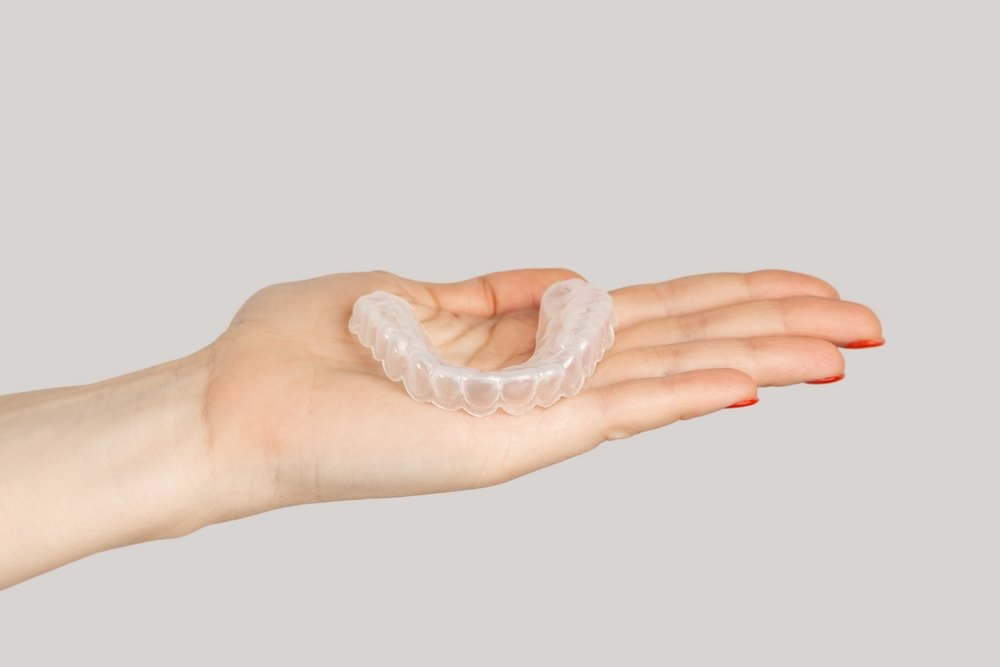
Straightening teeth can improve both the appearance and function of a smile. Two commonly considered orthodontic options are clear aligners such as Invisalign and traditional braces. While both are designed to gradually move teeth into better positions, they use different methods and may suit different orthodontic needs. Invisalign treatment uses a series of clear, removable aligners that are custom-made to gradually guide the teeth.
For patients looking for an orthodontist in Great Neck, a professional evaluation can help determine which approach is appropriate. The right treatment depends on factors such as the severity of tooth movement required, bite concerns, oral health, lifestyle, and treatment goals.
How Does Invisalign Work?
Invisalign uses a series of transparent aligners that fit over the teeth. Each aligner is designed to apply controlled pressure to specific teeth, gradually moving them according to the treatment plan.
The aligners are removable, which allows patients to take them out while eating, drinking, brushing, and cleaning between their teeth. However, they generally need to be worn for the recommended amount of time each day to keep treatment progressing as planned.
How Do Traditional Braces Work?
Traditional braces use brackets attached to the teeth and wires that apply controlled forces to move the teeth. The orthodontic professional periodically adjusts the braces as treatment progresses.
Unlike clear aligners, traditional braces remain attached to the teeth throughout treatment. This means patients do not need to remember to put them back in after eating or cleaning, but they do need to take additional care when brushing around the brackets and wires.
Appearance and Comfort
One of the most noticeable differences is appearance. Invisalign aligners are clear and designed to be less noticeable when worn. Traditional braces have visible metal brackets and wires, although other less noticeable orthodontic options may also be available.
Both treatments can cause temporary pressure or mild discomfort as the teeth begin moving. This is generally expected during orthodontic treatment, particularly after a new aligner or an adjustment.
Eating and Oral Hygiene
Removable aligners provide flexibility during meals because they can be taken out before eating. Patients can generally continue enjoying their usual foods while following their orthodontist's recommendations.
With traditional braces, certain hard, sticky, or chewy foods may need to be avoided because they can damage brackets or wires. Cleaning also requires extra attention because food particles and plaque can collect around orthodontic components.
Which Option Treats More Complex Problems?
Both Invisalign and traditional braces can address several common alignment concerns, but they are not interchangeable for every patient. The complexity of the tooth movement and bite correction needed can influence which treatment is recommended.
Traditional braces can provide detailed control over tooth movement and may be suitable for a wide range of orthodontic cases. Invisalign may be an effective option for many mild to moderate alignment concerns, depending on the individual's treatment plan.
Treatment Requires Commitment
Regardless of the treatment chosen, patient cooperation is important. Invisalign patients need to wear their aligners as instructed and keep track of them when they are removed. Traditional braces require patients to follow food restrictions and maintain careful oral hygiene.
Regular orthodontic appointments are also important with either approach. These visits allow the treatment team to monitor progress and make necessary adjustments.
Choosing the Right Treatment
There is no single orthodontic treatment that is ideal for everyone. A professional examination can help assess tooth alignment, bite, jaw development, and overall oral health before recommending an option.
Invisalign and traditional braces can both help create a straighter, more functional smile when used appropriately. Understanding the differences in appearance, maintenance, eating habits, and treatment requirements can help patients make a more informed decision with their orthodontic professional.
Tags : .....