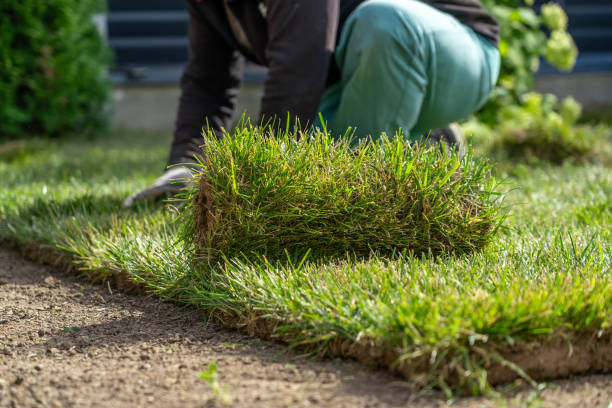
Choosing the right turf for garden use is one of the most important decisions when creating a healthy, attractive lawn. Climate plays a major role in how grass grows, responds to wear, and copes with seasonal changes. A turf variety that thrives in one environment may struggle in another, leading to patchy growth, discolouration, or increased maintenance.
Understanding how climate affects turf performance helps homeowners achieve a durable, green lawn that lasts year after year. With professional guidance from The Lawn Turf Laying Company, selecting the correct turf becomes far easier and far more effective.
Why Climate Matters When Choosing Turf for Garden Spaces
Climate influences grass growth through temperature, rainfall, sunlight, and soil moisture levels. Some grasses prefer cooler conditions, while others perform best in warmer environments. Selecting turf for garden areas without considering climate can result in poor establishment and unnecessary maintenance.
A successful lawn begins with matching turf characteristics to local weather patterns. This approach ensures stronger roots, better colour retention, and improved resistance to stress.
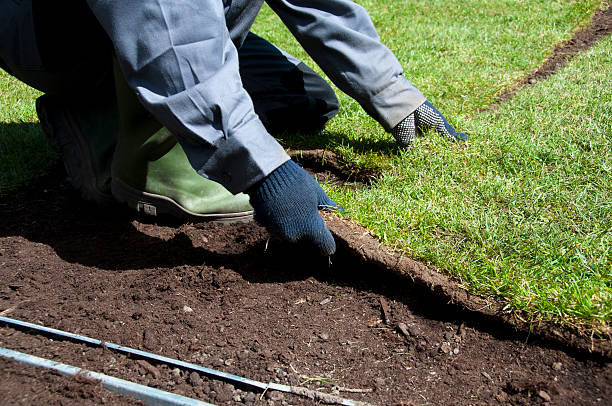
Best Turf for Cool and Temperate Climates
Cool and temperate climates, such as those found across much of the UK, require turf that tolerates mild summers and cooler winters. Grass varieties suited to these conditions focus on resilience, colour consistency, and recovery after wear.
Perennial ryegrass is one of the most popular options for a turfed lawn in cooler regions. This grass offers excellent durability and rapid establishment, making it ideal for family gardens and frequently used lawns. Fine fescues are another strong choice, valued for soft texture and good shade tolerance.
A blended turf containing ryegrass and fescue often delivers the best balance between appearance and strength. Professional services such as The Lawn Turf Laying Company frequently recommend these blends for reliable results across seasonal changes.
Ideal Turf Choices for Warm and Dry Climates
In warmer or drier climates, turf must withstand higher temperatures and reduced water availability. Drought tolerance becomes a key factor when selecting turf for garden areas exposed to long periods of sun.
Tall fescue is a popular option due to deep root systems that improve water efficiency. This grass remains green longer during dry spells and recovers well once rainfall returns. Certain warm-season grasses also perform well, offering excellent heat resistance and low maintenance requirements.
When turfing a lawn in warmer conditions, soil preparation and irrigation planning are especially important to support strong establishment.
Turf Options for Shaded Gardens
Gardens with limited sunlight require turf varieties adapted to shade. Without sufficient light, many grasses struggle to maintain colour and density.
Fine fescue turf performs particularly well in shaded areas, making it a reliable turf for garden spaces with trees, fencing, or surrounding buildings. This grass requires less direct sunlight and maintains an even appearance with proper care.
Professional installation ensures the soil receives appropriate preparation to maximise light exposure and drainage, which further supports healthy growth in shaded conditions.
Turf Selection for High-Traffic Lawns
Lawns that experience frequent foot traffic need turf designed for durability. Family gardens, play areas, and social spaces benefit from grass varieties that recover quickly after use.
Perennial ryegrass excels in high-traffic environments due to strong wear resistance and fast regeneration. A turfed lawn featuring this grass maintains structure and appearance even with regular activity.
Selecting the right turf for high-use gardens reduces long-term maintenance and helps preserve lawn quality throughout the year.

The Role of Soil and Drainage
While climate determines turf suitability, soil condition also plays a vital role in lawn success. Well-draining soil supports healthy root growth and prevents waterlogging, which can damage turf in wetter climates.
Before turfing a lawn, professional assessment ensures the soil structure matches the turf’s needs. Soil improvement techniques such as levelling, aeration, and nutrient enrichment create the ideal foundation for long-term performance.
The Lawn Turf Laying Company places strong emphasis on preparation, recognising that the best turf delivers optimal results only when supported by the right soil conditions.
Seasonal Performance and Maintenance Considerations
Different turf types respond differently to seasonal changes. Some maintain colour during colder months, while others thrive primarily in summer.
Choosing climate-appropriate turf for garden use reduces seasonal stress and minimises the need for intensive maintenance. A well-matched turf variety requires less watering, fewer repairs, and more predictable mowing schedules.
Consistent care, including feeding and mowing at appropriate heights, helps turf adapt smoothly across seasons.
Benefits of Professional Turf Advice and Installation
Professional guidance ensures the correct turf selection for each climate and garden layout. Expertise helps avoid common mistakes such as choosing turf based solely on appearance.
Professional turfing a lawn services also guarantee precise installation, improving root contact with soil and promoting quicker establishment. This approach leads to healthier lawns with fewer long-term issues.
With experience across diverse conditions, The Lawn Turf Laying Company provides tailored solutions that support lawn success in various climates.
Creating a Long-Lasting Garden Lawn
The best turf for garden use balances appearance, durability, and climate suitability. Selecting the right turf type supports strong growth, vibrant colour, and reliable performance over time.
A well-installed turfed lawn enhances outdoor spaces, improves usability, and adds value to residential properties. With thoughtful selection and professional installation, a garden lawn becomes a long-term asset rather than a short-term improvement.
FAQs
What is the best turf for garden use in the UK climate?
Blended turf containing perennial ryegrass and fine fescue performs well in the UK’s temperate conditions, offering durability and consistent colour.
Does climate affect turf maintenance requirements?
Yes, climate influences watering frequency, mowing schedules, and feeding needs. Choosing climate-appropriate turf reduces overall maintenance.
Is turf suitable for shaded gardens?
Certain turf varieties, such as fine fescue, perform well in shaded environments when supported by proper soil preparation.
How long does turf take to establish?
Most turf establishes roots within a few weeks when installed correctly and watered consistently.
Why choose professional turfing services?
Professional services ensure correct turf selection, preparation, and installation, leading to stronger roots and longer-lasting results.
Tags : turf for garden turfed lawn