What Is Suture? A Complete Guide to Its Meaning, Types, and Medical Uses
By triage meditech 23-01-2026 63
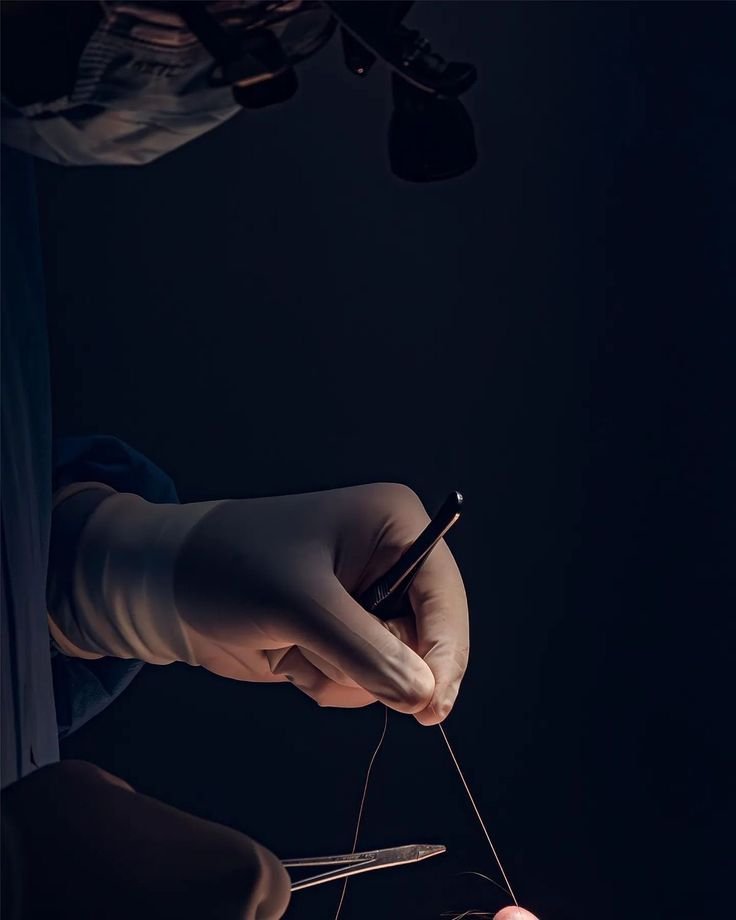
Sutures are among the most essential tools in medicine and surgery, yet they often go unnoticed by patients and even early medical learners. Whether closing a surgical incision, repairing a traumatic wound, or supporting delicate internal tissues, sutures play a vital role in the healing process. Understanding what is suture, how it works, and when it is used is fundamental for effective wound management and patient care.
In this blog, we will explore the definition of sutures, their purpose, types, materials, and clinical applications in a clear and easy-to-understand manner.
What Is Suture?
A suture is a sterile medical thread used to stitch body tissues together after surgery, injury, or trauma. The primary purpose of a suture is to hold tissues in proper alignment during healing, allowing the body to repair itself effectively.
Sutures may be temporary or permanent and are selected based on the type of tissue involved, healing time, and risk of infection.
Why Are Sutures Important in Medicine?
Sutures are critical because they:
Promote faster and safer wound healing
Minimize bleeding by securing tissue layers
Reduce the risk of infection
Improve cosmetic outcomes by limiting scar formation
Without sutures, many wounds would heal slowly, reopen easily, or develop complications.
How Do Sutures Work?
Sutures work by bringing wound edges together and maintaining tension until tissue healing is sufficient to hold the wound closed on its own.
Healing Process Supported by Sutures
Inflammation: Initial response after injury
Proliferation: New tissue and blood vessels form
Maturation: Tissue strengthens and remodels
Sutures support the wound through these stages, ensuring stability and protection.
Types of Sutures
Sutures are classified based on absorbability, structure, and material.
Absorbable Sutures
Absorbable sutures are designed to break down naturally in the body over time, eliminating the need for removal. They are commonly used for internal tissues.
Common Absorbable Sutures
Catgut: Natural suture derived from collagen
Polyglycolic Acid (PGA): Synthetic and predictable absorption
Polyglactin 910 (Vicryl): Widely used in soft tissue closure
Polydioxanone (PDS): Provides long-term support for deep tissues
Advantages
No removal required
Reduced long-term foreign body reaction
Non-Absorbable Sutures
Non-absorbable sutures maintain their strength for long periods and are either removed after healing or left permanently in the body.
Common Non-Absorbable Sutures
Silk: Easy handling and knot security
Nylon: Common for skin closure
Polypropylene (Prolene): Used in vascular and plastic surgery
Polyester: Strong and durable
Advantages
Long-lasting support
High tensile strength
Classification Based on Suture Structure
Monofilament Sutures
Monofilament sutures are made of a single smooth strand.
Benefits:
Lower infection risk
Minimal tissue trauma
Limitations:
Less knot security
Multifilament Sutures
Multifilament sutures consist of multiple braided strands.
Benefits:
Better handling
Strong knot security
Limitations:
Higher infection risk due to capillary action
Materials Used in Sutures
Sutures are made from natural or synthetic materials, including:
Collagen
Silk
Nylon
Polyester
Polymers such as PGA and PDS
Material selection depends on tissue reaction, strength requirements, and healing time.
Clinical Uses of Sutures
Sutures are used across various medical specialties, including:
General surgery
Orthopedics
Cardiovascular surgery
Plastic and reconstructive surgery
Dentistry and gynecology
They are essential for closing skin wounds, repairing muscles, securing blood vessels, and supporting internal organs.
How Are Sutures Removed?
Non-absorbable sutures used on the skin are usually removed after:
5–7 days (face)
7–10 days (scalp and trunk)
10–14 days (extremities)
Removal timing depends on wound location and healing progress.
Conclusion
Understanding what is suture is fundamental to effective wound care and surgical success. Sutures provide the mechanical support needed for proper healing, reduce complications, and improve patient outcomes. With various types, materials, and structures available, selecting the right suture is crucial in medical practice. Proper knowledge and application of sutures ensure safer procedures and faster recovery for patients.