When you step into a hardware store or browse online for materials, you may have come across oriented strand board (OSB) and wondered what it actually is. Is it just another type of plywood, or something entirely different?
OSB has quietly become a staple in construction and DIY projects, prized for its versatility and affordability. In this article, you’ll get a complete overview of what OSB is, its benefits, common uses, and practical tips for working with it.
What is Oriented Strand Board (OSB)?
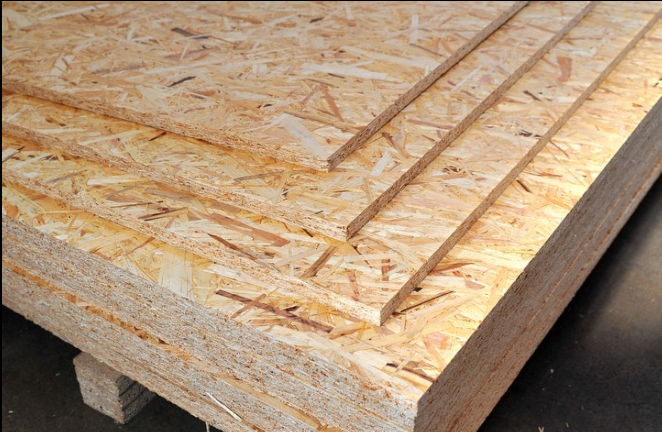
Oriented strand board, or OSB, is a type of engineered wood made by layering strands of wood in specific orientations, then bonding them together with adhesives under heat and pressure. This process gives OSB a strength that is surprisingly comparable to traditional plywood, though it has its own quirks.
The surface of OSB is rougher than plywood, with visible wood strands. It’s not a flaw; it’s the material’s signature look. OSB was first developed in the 1970s as a cost-effective alternative to plywood and has since become a reliable material for homes, commercial projects, and creative DIY builds.
You can buy oriented strand board at most home improvement stores. For builders in other regions, it is also available as OSB sheets in Australia, making it widely accessible.
Benefits of Using OSB
OSB offers several advantages beyond being an affordable plywood alternative:
● Strength and durability: Its layered construction provides excellent strength, making it suitable for floors, walls, and roof decking. Certain OSB panels are designed to handle moisture, adding to their versatility.
● Consistency: Manufactured under controlled conditions, OSB maintains uniform thickness and strength, reducing surprises on the job site and simplifying installation.
● Cost efficiency: OSB is strong, versatile, and budget-friendly, making it ideal for shelving, furniture, accent walls, and other DIY projects.
Common Applications of OSB
OSB has a wide range of uses. In construction, it is commonly used for subflooring, roof decking, and wall sheathing. Its strength and stability make it practical for residential framing support.
It is also used in packaging, including crates, pallets, and protective structures, where durability and weight management are important.
OSB for DIY projects is increasingly popular for workbenches, furniture, and rustic accent walls. Its textured surface can be left natural for a raw, organic look or painted for a more polished finish.
Tips for Working with OSB
Working with OSB is straightforward, but a few precautions can help achieve the best results. Cutting OSB generates a lot of dust, so wearing eye and respiratory protection is essential. Rough edges may splinter, so using a sharp blade and sanding edges ensures a cleaner finish.
Fastening OSB is similar to plywood, though pre-drilling near the edges can prevent splitting. For damp environments, choose panels rated for exterior or moisture-resistant use.
A practical tip: OSB can swell if exposed to water, so always store it flat and off the ground before installation. Small precautions like this can prevent problems during your build.
OSB vs Plywood: Key Differences
Many people wonder how OSB compares to plywood. Both are engineered wood products, but OSB is made from strands layered in specific orientations, while plywood is made from thin sheets of veneer glued together.
This distinction affects appearance, moisture resistance, and cost. Plywood may handle water exposure better, but OSB is generally more consistent and more affordable. Plywood surfaces are smoother, while OSB shows its layered strands, giving it a distinct texture. Both are practical, but knowing the differences helps you choose the right material for your project.
Conclusion
OSB has evolved into a reliable, versatile material for builders, contractors, and DIY enthusiasts. From structural applications to creative projects, understanding how OSB works, its benefits, and proper handling practices can make construction smoother and more efficient. Whether laying floors, sheathing walls, or crafting custom furniture, OSB boards can be both practical and visually appealing.
FAQ
What is oriented strand board in construction?
Oriented strand board (OSB) is an engineered wood panel made from layers of wood strands bonded under heat and pressure. It is used in flooring, walls, roofing, and packaging due to its strength, consistency, and affordability. Builders often select OSB for load-bearing applications, while DIYers value its versatility and wide availability.
Is OSB board better than plywood?
It depends on the project. OSB is cost-effective and maintains consistent thickness, making it ideal for large-scale construction. Plywood may handle moisture exposure slightly better and has a smoother surface, but it is generally more expensive. Both materials have advantages, so the choice should reflect your specific needs.
What's the difference between MDF and OSB?
MDF is made from fine wood fibres and resin, providing a smooth, paintable surface perfect for cabinetry, furniture, and interior projects. OSB, on the other hand, uses wood strands and adhesives, giving it strength for structural applications. While MDF is better for finishing touches, OSB is stronger and more suitable for floors, walls, and roof construction.
Tags : .....