Managing a fleet efficiently is one of the biggest challenges for transportation and logistics businesses. As operations grow, businesses need better control over vehicle movement, driver performance, fuel consumption, maintenance schedules, and delivery timelines.
Many transport companies still rely on manual processes, phone calls, spreadsheets, and paperwork to manage fleet operations. While these methods may work for smaller fleets, they often create operational inefficiencies as the business expands.
This is where a Fleet Management System becomes essential. It helps businesses monitor vehicles, manage drivers, track transportation activities, and improve overall fleet performance through a centralized platform.
In today's competitive logistics environment, fleet management technology has become a critical tool for improving efficiency, reducing operational costs, and maintaining customer satisfaction.
What Is a Fleet Management System?
A Fleet Management System India (FMS) is a software-based solution designed to help businesses manage, monitor, and optimize vehicle operations.
The system combines various technologies such as GPS tracking, driver monitoring, route planning, fuel management, maintenance tracking, and reporting tools into a single platform.
Instead of managing transportation operations manually, businesses can use a fleet management system to gain real-time visibility into their entire fleet.
Whether a company operates delivery vans, trucks, cargo vehicles, or commercial fleets, the system helps improve operational control and transportation efficiency.
Why Is Fleet Management Important?
Fleet operations involve several moving parts, including vehicles, drivers, fuel expenses, maintenance schedules, deliveries, and customer commitments.
Without proper monitoring, businesses often face problems such as:
- Poor vehicle visibility
- Delivery delays
- High fuel consumption
- Unauthorized vehicle usage
- Driver management issues
- High maintenance costs
- Inefficient route planning
- Customer complaints
A fleet management system helps businesses address these challenges by providing accurate, real-time transportation data and centralized operational control.
How Does a Fleet Management System Work?
A fleet management system works by collecting and processing data from vehicles, drivers, and transportation operations.
Vehicle Tracking Through GPS
The process starts with GPS tracking devices installed inside vehicles.
These devices continuously collect location information and transmit it to the fleet management platform through mobile networks.
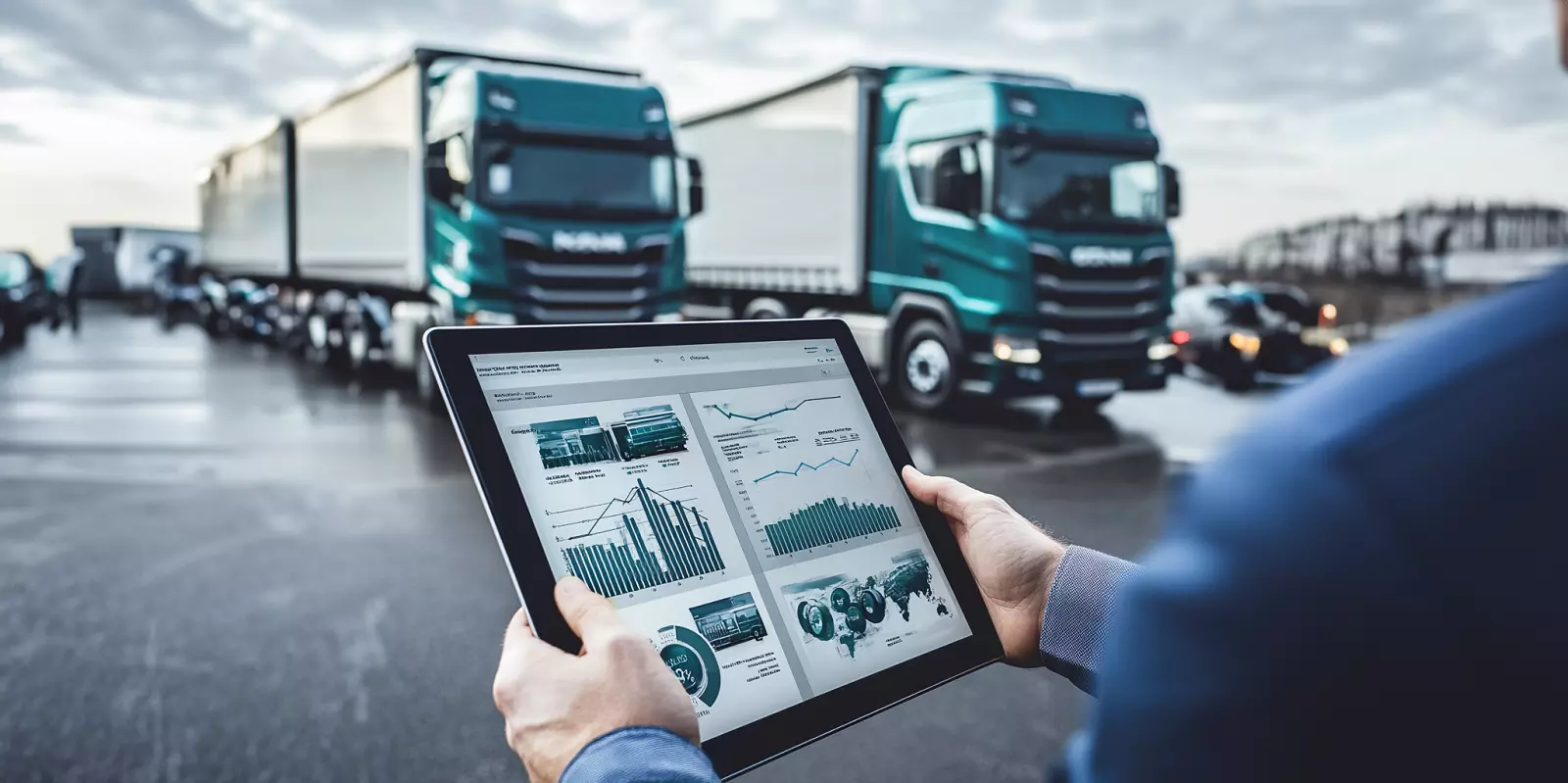
Fleet managers can monitor vehicle movement in real time and view transportation activities from a centralized dashboard.
Data Collection and Processing
The system collects information such as:
- Vehicle location
- Speed
- Route movement
- Idle time
- Trip duration
- Driver activity
- Fuel consumption
The software processes this data and converts it into actionable insights for fleet managers.
Real-Time Monitoring
Operations teams can monitor vehicle movement, active trips, and delivery status through a live dashboard.
This allows businesses to respond quickly to delays, route deviations, or operational issues.
Alerts and Notifications
Fleet management systems generate automatic alerts for important events such as:
- Route deviations
- Overspeeding
- Unauthorized stoppages
- High fuel consumption
- Maintenance due dates
- Emergencies
These alerts help managers take immediate action when required.
Reporting and Analytics
The system stores operational data and generates reports covering fleet performance, driver productivity, fuel efficiency, and transportation costs.
These insights support better decision-making and long-term operational planning.
Key Features of a Fleet Management System
Real-Time Vehicle Tracking
GPS-based tracking allows businesses to monitor vehicle locations and transportation activities at any time.
This improves operational visibility and shipment monitoring.
Route Optimization
Route optimization tools help identify efficient transportation routes.
This reduces travel time, fuel consumption, and delivery delays.
Driver Management
Businesses can monitor driver performance, driving behavior, trip completion, and route adherence.
This improves accountability and transportation efficiency.
Fuel Management
Fuel monitoring tools help businesses track fuel consumption and identify operational inefficiencies.
Better fuel visibility helps reduce transportation costs.
Vehicle Maintenance Management
Fleet management systems track vehicle maintenance schedules and service requirements.
Preventive maintenance reduces breakdowns and improves vehicle lifespan.
Geo-Fencing
Geo-fencing allows businesses to create virtual boundaries around specific locations.
Alerts are generated when vehicles enter or leave designated zones.
Trip Management
The system helps businesses manage trip planning, dispatch coordination, and transportation scheduling more efficiently.
Mobile App Access
Most modern express cargo management software provides mobile applications that allow managers and drivers to access transportation information from anywhere.
Reporting Dashboard
Comprehensive dashboards provide real-time operational insights and performance reports.
Managers can evaluate transportation efficiency and identify areas for improvement.
Benefits of Using a Fleet Management System
Improved Fleet Visibility
Real-time tracking provides complete visibility into vehicle movement and transportation activities.
Managers can instantly know where vehicles are located and monitor delivery progress.
Reduced Fuel Costs
Route optimization, fuel monitoring, and reduced idle time help lower transportation expenses.
Fuel savings can have a significant impact on overall profitability.
Better Driver Accountability
Monitoring driver behavior encourages safer driving practices and improves operational discipline.
This helps reduce accidents and vehicle misuse.
Increased Fleet Utilization
Businesses can maximize vehicle productivity and reduce underutilized fleet assets.
Better utilization leads to higher operational efficiency.
Improved Delivery Performance
Real-time transportation visibility helps businesses manage deliveries more effectively and reduce delays.
Lower Maintenance Costs
Preventive maintenance scheduling helps identify issues before they become major problems.
This reduces repair expenses and vehicle downtime.
Enhanced Customer Satisfaction
Customers benefit from accurate shipment updates and improved delivery reliability.
This helps strengthen customer relationships and trust.
Better Business Decisions
Access to transportation data allows managers to make informed operational decisions based on real-time information.
Industries That Use Fleet Management Systems
Logistics and Transportation
Transport companies use fleet management systems to track vehicles, monitor deliveries, and improve operational efficiency.
E-Commerce Delivery
E-commerce businesses use fleet tracking to manage last-mile deliveries and provide shipment visibility.
Courier and Cargo Services
Courier operators rely on fleet management systems to improve delivery performance and route planning.
Construction and Infrastructure
Construction companies use fleet management technology to monitor heavy vehicles and equipment movement.
FMCG Distribution
FMCG businesses use fleet visibility to improve distribution efficiency and maintain delivery schedules.
Cold Chain Logistics
Temperature-sensitive logistics operations use fleet monitoring to ensure timely transportation of critical goods.
Fleet Management System vs Manual Fleet Management
Manual fleet management often depends on spreadsheets, calls, and paperwork.
While this approach may work for smaller operations, it becomes inefficient as fleet size increases.
A fleet management system automates many transportation processes, providing better visibility, faster communication, and more accurate operational data.
Businesses gain greater control over transportation activities while reducing administrative workload.
How to Choose the Right Fleet Management System
Before selecting a solution, businesses should evaluate:
- GPS tracking capabilities
- Route optimization features
- Driver monitoring tools
- Fuel management functionality
- Maintenance tracking
- Mobile accessibility
- Reporting capabilities
- Integration options
- Ease of use
- Customer support
The right system should support current operational requirements while allowing future growth.
Why Fleet Management Systems Are Essential for Modern Logistics
As transportation operations become increasingly complex, businesses need accurate data and real-time visibility to remain competitive.
Fleet management systems provide the tools required to manage vehicles efficiently, reduce operational costs, improve customer service, and support business growth.
Companies that adopt fleet management technology gain a significant advantage in operational efficiency and decision-making.
Conclusion
A Fleet Management System is much more than a vehicle tracking solution. It is a complete transportation management tool that helps businesses monitor fleet activity, improve driver performance, optimize routes, reduce fuel costs, and increase operational efficiency.
By centralizing transportation data and automating fleet operations, businesses can improve visibility, streamline workflows, and build scalable logistics operations.
As the logistics industry continues to evolve, fleet management systems will remain an essential technology for businesses seeking greater efficiency, profitability, and long-term growth.
Tags : Fleet Management System