What Happens When Homes Run Out of Space and How People Adapt
By Security Self Storage and Parking 19-12-2025 66
Modern homes are filled with more belongings than ever before. Furniture has grown larger, seasonal items have multiplied, and lifestyles continue to evolve. Yet, the size of living spaces has not always kept pace. When homes reach their capacity, people are forced to adapt — sometimes in ways that create new problems instead of solving old ones.
Understanding why space runs out and how people respond can help individuals make smarter decisions about managing their belongings without sacrificing comfort or organization.
Why Homes Fill Up Faster Than Expected
Space rarely disappears overnight. It slowly erodes as items are added for convenience, hobbies, family changes, or work needs. Boxes from past moves are left unopened. Furniture is replaced but not removed. Seasonal items rotate in and out but never leave entirely.
Garages, attics, and spare rooms often become default storage zones, even though they were never designed for long-term organization. Over time, these spaces lose their original purpose, turning into cluttered areas that are difficult to navigate or use effectively.
Clutter Affects More Than Just Appearance
A crowded home doesn’t only look messy — it changes how people live. Limited space can make cleaning more difficult, reduce functionality, and increase stress. Finding everyday items becomes frustrating, and important belongings may be damaged or forgotten entirely.
Clutter can also impact productivity, especially for those working from home. When living and working spaces overlap, excess belongings compete for attention and focus. This mental overload often leads to procrastination and fatigue.
Temporary Fixes Often Create Bigger Issues
When space becomes tight, many people try short-term solutions. Furniture is stacked, items are shoved into closets, or belongings are placed in outdoor sheds not designed for protection. While these fixes may provide brief relief, they often lead to damage, disorganization, or wasted time later.
Improvised storage methods rarely account for accessibility or preservation. Items placed out of sight are frequently forgotten until they are needed urgently — at which point retrieving them becomes a problem of its own.
Life Changes Accelerate Space Problems
Major life events quickly intensify space issues. Moving in with a partner, welcoming a child, caring for a relative, or starting a home-based business all introduce new belongings and requirements. Even positive changes can strain existing space.
During these transitions, people often delay decisions about what to keep or discard. Emotional attachment, time constraints, and uncertainty make it difficult to downsize quickly. Without a neutral solution, clutter continues to grow.
Storage as a Practical Adaptation
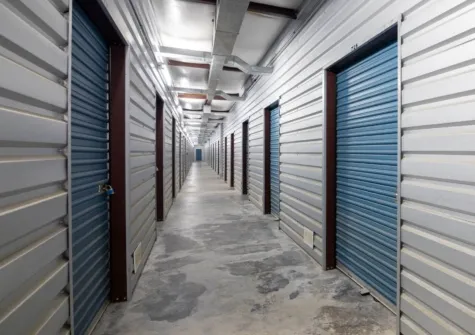
Instead of forcing everything into the home, many people turn to external storage as a way to regain balance. Storage creates breathing room by relocating non-essential items while keeping them accessible when needed.
This approach allows homes to function as living spaces again, not warehouses. Items that are seasonal, rarely used, or tied to future plans can be stored safely without interfering with daily life.
For those researching options like storage in Waxahachie, accessibility and flexibility are often key factors, since storage should support changing needs rather than create additional complications.
Organization Improves Decision-Making
One overlooked benefit of using storage is clarity. When belongings are sorted and organized before being stored, people gain a better understanding of what they truly need. This process often leads to better decisions about downsizing, donating, or repurposing items.
Storage removes the pressure to make immediate choices. Instead of rushing decisions under stress, people can revisit stored items gradually and intentionally.
Homes Become More Functional
When excess belongings are removed, homes feel larger and easier to manage. Rooms regain their intended purpose, whether it’s a guest bedroom, home office, or recreational area. Cleaning becomes faster, and daily routines improve.
This improved functionality can even delay the need for a larger home. Many people discover that by managing belongings better, their current space meets their needs more effectively than they expected.
Long-Term Planning Prevents Repetition
One reason clutter returns is the lack of a long-term plan. Without designated solutions for overflow, homes gradually fill up again. Storage works best when paired with intentional habits, such as regular inventory checks and seasonal rotations.
People who treat storage as part of their lifestyle — rather than a last resort — tend to maintain better organization over time. They adapt more easily to change without feeling overwhelmed by their belongings.
Adapting Without Sacrificing Comfort
Running out of space doesn’t mean sacrificing comfort or letting go of everything. It means finding smarter ways to manage what you own. Storage provides a flexible solution that adapts to life’s changes without forcing permanent decisions too soon.
When used thoughtfully, storage supports better living environments, clearer minds, and smoother transitions. Instead of reacting to clutter, people gain control — and their homes once again feel like places to live, not places to store.
Tags : storage in waxahachie