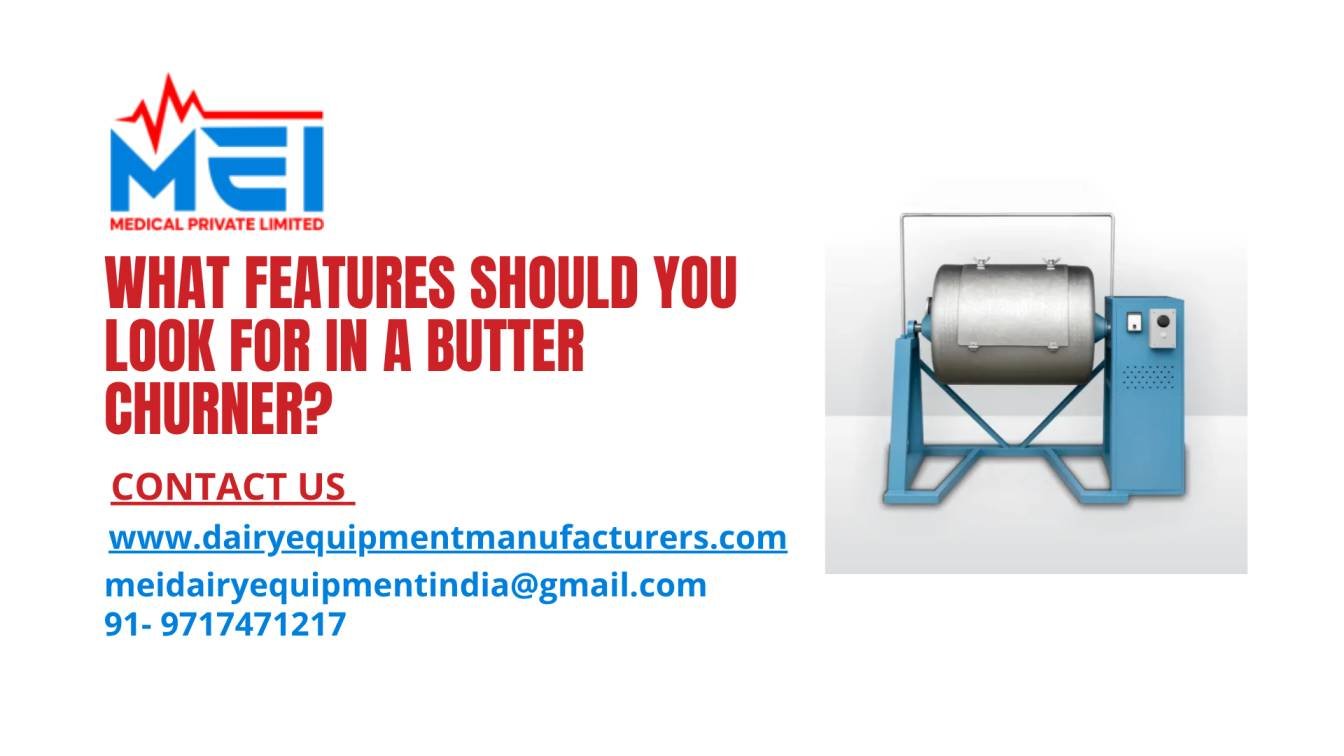
A Butter Churner is an important dairy processing machine designed to separate butter from cream through controlled churning action. For dairy businesses, choosing the right equipment requires careful evaluation of features, specifications, supplier processes, and operational requirements.
A Butter Churner should not be selected only based on price or appearance. Procurement teams need to understand how the equipment fits their production process, how specifications are verified, and how suppliers manage manufacturing, inspection, and delivery.
Why Specification Details Matter Before Selecting Equipment
Before purchasing dairy processing equipment, buyers should clearly define their requirements. A supplier needs accurate information about processing needs, batch size, installation space, cleaning expectations, and delivery timeline.
Important features buyers should review include:
Suitable processing capacity
Equipment design and operating method
Ease of cleaning and maintenance
Material requirements
Production batch suitability
Packaging and transportation planning
That's where specification verification becomes essential. A machine may appear suitable during enquiry but create problems later if the approved details do not match the actual requirement.
Most shipment delays begin because specifications remain unclear during sampling and approval stages. A detailed purchase order with confirmed information helps avoid confusion between buyers, production teams, and suppliers.
Before dispatch, QC inspection should be completed to verify equipment details, documentation, and order accuracy. This step helps reduce issues related to specification mismatch.
How a Butter Churner Should Match Your Production Requirements
A Butter Churner should be evaluated according to how it will be used in daily dairy operations. Buyers should consider whether the equipment supports their production workflow and whether operators can manage the process effectively.
Important operational considerations include:
Processing consistency
Batch management
Cleaning requirements
Maintenance planning
Operator handling
Nobody tells you that a machine's usefulness depends heavily on the complete production setup. Even suitable equipment may not perform effectively if installation conditions or operating practices are not properly planned.
One limitation buyers should understand is that equipment cannot replace proper process control. Maintenance schedules, correct handling, and suitable operating conditions still affect performance.
What Buyers Should Check Before Finalising Suppliers
Supplier evaluation is an important part of equipment purchasing. Buyers should look beyond product availability and understand how suppliers handle specifications, approvals, inspections, and after-sales concerns.
Businesses searching for Butter Churner Manufacturers in India should check:
How technical requirements are discussed
How specifications are approved
How production updates are shared
How complaints are handled
How dispatch is monitored
We've seen that a supplier who cannot explain complaint handling usually doesn't have a structured approach for resolving customer concerns.
Certificate validity can also become a concern during procurement. Buyers should verify any certificates or documents provided and ensure they match the actual equipment requirements.
MOQ is another point that should be discussed early. Some suppliers may have minimum order requirements, and this may not match every buyer's purchasing plan.
Features That Support Better Dairy Processing Operations
The right equipment features help dairy processors manage production more efficiently. Buyers should focus on practical advantages instead of only comparing machine prices.
Useful features may include:
Controlled churning operation
Easy cleaning access
Suitable batch handling
Reliable process management
Clear maintenance requirements
Most buyers focus first on the equipment cost, but long-term usability depends on factors such as maintenance needs, operational requirements, and supplier support.
Even experienced buyers sometimes overlook small details like cleaning access or installation planning. These points can affect daily operations after the equipment reaches the production site.
Why Dispatch Planning Begins Before Manufacturing Completion
Equipment delivery requires coordination between production, inspection, packaging, and freight planning teams. A well-managed supply process starts before the machine is ready for dispatch.
Butter Churner Suppliers should maintain clear communication about production progress, inspection status, and expected delivery schedules.
Packaging is another important consideration. Packaging problems rarely appear in the factory—they appear after loading. Proper protection during transportation helps reduce the risk of transit damage.
Delayed shipment is another common buyer concern. Discussing lead time, approval timelines, and dispatch planning before ordering helps create realistic expectations.
Insights Buyers Should Understand Before Purchase Decisions
Industrial equipment purchasing involves several checkpoints. Technical discussions, sampling approval, production planning, quality verification, and final dispatch all affect the outcome.
A supplier's communication process often shows how they manage orders internally. Clear updates about specifications and production stages help buyers track progress.
One mistake buyers make is changing requirements after production begins. Late changes can affect manufacturing schedules and increase lead time.
Which means accurate information during the enquiry stage is one of the simplest ways to avoid unnecessary delays.
What Buyers Should Prepare Before Requesting Quotes
Before contacting suppliers, buyers should prepare complete details about their requirements. This improves quotation accuracy and reduces repeated discussions.
Buyers should share:
Required specifications
Processing expectations
Delivery requirements
Packaging preferences
Documentation needs
Sampling delays can affect production schedules, so timely feedback and approval are important for smooth order processing.
Conclusion
Selecting the right Butter Churner requires evaluating technical features, specifications, supplier communication, quality checks, and delivery planning. Buyers should focus on how the equipment fits their dairy operation rather than choosing only based on cost.
Working with suitable Butter Churner Suppliers helps procurement teams manage purchasing decisions more effectively. Proper specification approval, inspection, and dispatch planning reduce risks and support smoother dairy processing operations.
FAQs
1. What features should buyers check in a Butter Churner?
Buyers should review processing suitability, cleaning requirements, maintenance needs, specifications, and supplier support. The right features depend on the buyer's production requirements.
2. How can buyers evaluate Butter Churner Manufacturers in India?
Buyers should check specification approval methods, inspection processes, production communication, packaging approach, and complaint handling systems before placing an order.
3. Is the most expensive Butter Churner always the best option?
Not necessarily. Higher cost does not always mean better suitability. Buyers should compare equipment features, application needs, and long-term operational requirements.
4. Why is sampling approval important before purchasing?
Sampling approval helps confirm that specifications and expectations are aligned before production. Delayed approvals can increase lead time and affect dispatch schedules.
5. What problems can occur after ordering dairy equipment?
Issues may include specification mismatch, packaging concerns, transit damage, or delayed shipment. Proper verification before dispatch helps reduce these risks, but transportation and operating conditions also matter.