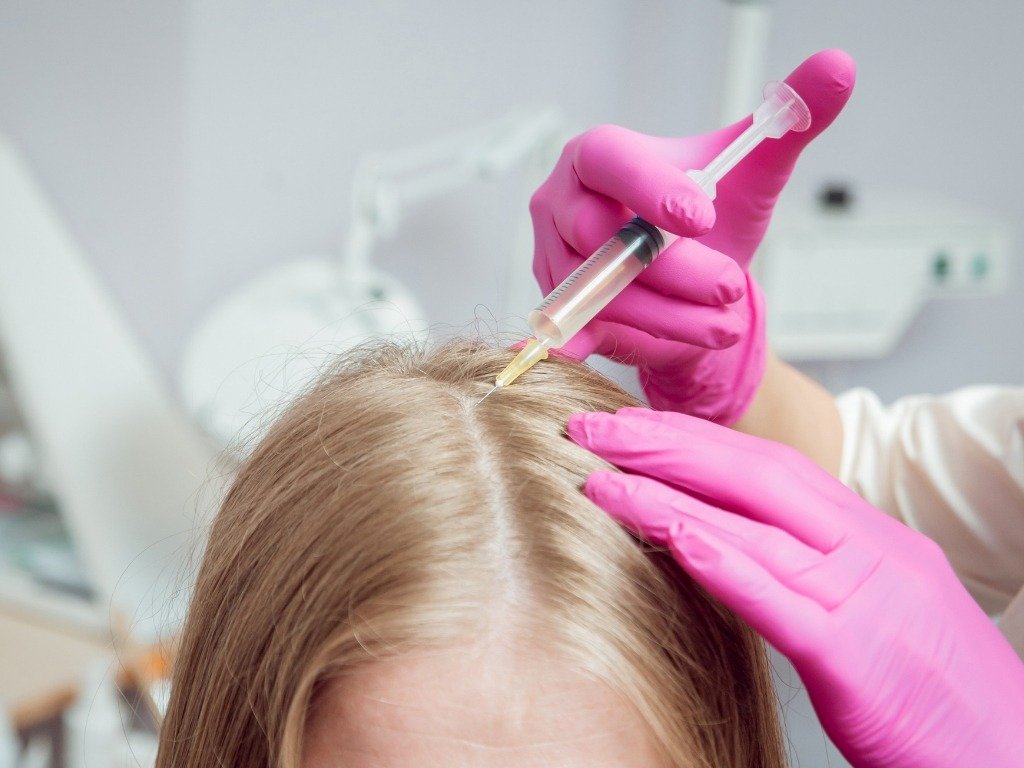
Hair loss in women can develop for many different reasons, and the pattern is often more complex than a simple receding hairline. Hormonal changes, hereditary factors, traction, nutritional deficiencies, scalp conditions, and age-related thinning can all influence how hair density changes over time. Because of these differences, planning a transplant requires more than estimating how many grafts might be needed.
A careful assessment looks at the distribution of thinning, the condition of the scalp, the strength of existing hair, and the availability of suitable donor follicles. The goal is to create coverage that works with the patient’s existing hair rather than treating every case according to the same template. For someone considering Female Hair Transplant in Dubai, the planning stage is particularly important because hair characteristics, styling habits, previous treatments, and long-term expectations can all affect the proposed approach.
A consultation should therefore establish why the hair has become thinner, whether the loss appears stable, and whether transplantation is medically appropriate. It can also help determine which extraction and implantation techniques may be suitable. Detailed planning provides a framework for deciding where grafts should be placed, how much density can realistically be created, and how the result can remain proportionate as natural hair changes with time.
Understanding the Pattern and Cause of Hair Loss
The first factor in planning is identifying the type and distribution of hair loss. Female pattern hair loss commonly presents as diffuse thinning over the crown and central scalp rather than a sharply receding frontal hairline. However, individual patterns vary considerably.
A medical assessment may examine the scalp closely and review the patient’s history. Previous pregnancy, menopause, hormonal disorders, medications, significant weight changes, nutritional problems, and family history may all be relevant.
If active hair loss is continuing, transplantation may not be the immediate priority. Stabilising the underlying condition can be important before deciding how donor follicles should be used.
Evaluating Donor Hair Availability
A transplant depends on having an adequate supply of healthy donor follicles. In women, the donor region can sometimes be affected by diffuse thinning as well, making assessment especially important.
The clinician may evaluate follicle density, shaft thickness, hair calibre, and the stability of the donor area. The relationship between available donor hair and the size of the thinning region helps determine how much coverage can realistically be achieved.
Rather than attempting maximum density everywhere, planning generally focuses on using the available grafts strategically. Areas that have the greatest visual impact may receive greater attention while existing hair is preserved.
Designing the Hairline and Overall Coverage
Hairline design requires a different approach in female patients because the natural shape, position, and density of the frontal region vary between individuals. A hairline that appears too straight or artificially low can look disproportionate.
Planning considers facial proportions, age, existing hair characteristics, and the direction in which natural follicles grow. Small variations in angle and placement can influence how natural the transplanted area appears.
The central scalp and crown also require careful consideration. When thinning is diffuse, the objective may be to improve visual coverage rather than completely reproduce the density of unaffected hair.
Choosing an Appropriate Transplant Technique
The extraction and implantation method should be selected according to the patient’s anatomy, hair characteristics, donor availability, and treatment objectives. Follicular unit extraction is commonly considered when individual grafts can be harvested from suitable donor areas, while other approaches may be discussed depending on the case.
The technique also has to accommodate existing long hair. In some female patients, preserving surrounding hair and minimising disruption can be an important part of the treatment plan.
Technology can assist with assessment and planning, but it does not replace clinical judgment. Imaging, magnification, and density measurements can provide useful information while the final strategy still depends on professional evaluation.
Considering Existing Hair Density
One of the most important planning questions is how transplanted follicles will interact with the patient’s existing hair. Women seeking transplantation often have substantial native hair remaining between areas of reduced density.
Grafts may therefore need to be positioned between existing follicles rather than simply filling an entirely bald region. This requires careful attention to follicle direction, spacing, and the risk of damaging healthy hair.
The desired result should also be discussed realistically. Transplanted follicles can improve coverage, but they cannot necessarily recreate the density a patient had earlier in life. Strategic placement can sometimes produce a noticeable improvement in visual fullness without requiring excessive graft numbers.
Taking Scalp and Hair Characteristics Into Account
Hair texture has a significant influence on how density appears. Curly or wavy hair can create more visual coverage than very straight, fine hair even when the follicle count is similar.
The clinician may therefore consider hair diameter, curl pattern, colour contrast between hair and scalp, and the characteristics of the donor follicles. These details can influence graft distribution and the expected appearance after growth.
Scalp condition is also relevant. Inflammation, scarring, infection, or other dermatological problems may need to be addressed before transplantation is considered.
Setting a Long-Term Treatment Strategy
Planning should account for future changes in natural hair. Female pattern hair loss can progress, meaning the transplanted region may eventually sit alongside areas of further thinning.
For this reason, conservative donor management is important. A treatment plan should consider whether medical therapy or other approaches may be appropriate for preserving existing follicles.
Patients should also understand that transplanted hair does not create an unlimited supply of follicles. Donor resources are finite, so using them carefully during the initial procedure can help preserve options for the future.
Why Consultation Quality Matters
A detailed consultation should involve more than simply estimating graft numbers. Patients should have an opportunity to discuss their medical history, previous hair treatments, styling practices, expectations, and concerns about recovery.
Photographs and scalp examinations can help establish a baseline. Depending on the suspected cause of thinning, additional investigations may sometimes be appropriate before surgery.
For people considering Female Hair Transplant in Dubai, this consultation stage provides an opportunity to understand whether transplantation addresses the underlying problem or whether another treatment pathway should be considered first.
How to Choose the Right Approach for Female Hair Transplant in Dubai
Experience and Qualifications
Look for a qualified medical professional with relevant experience in hair restoration and female-pattern hair loss. Female cases can require different planning considerations from typical male-pattern transplantation, particularly when thinning is diffuse.
Technology and Techniques
Ask which assessment tools and transplantation techniques are available and why a particular method has been recommended. Technology should support accurate planning rather than being treated as a substitute for clinical expertise.
Safety Standards
The facility should follow appropriate infection-control procedures, sterile surgical practices, patient monitoring protocols, and recognised standards for medical care. A clear discussion of potential complications and contraindications is also an important part of informed consent.
Consultation Process
A good consultation should explain the suspected cause of hair loss, donor capacity, expected coverage, graft requirements, and alternative treatments. Be cautious of consultations that focus exclusively on promising a specific number of grafts or a guaranteed outcome.
Patient Experience
Practical factors such as communication, aftercare instructions, accessibility for follow-up, and clarity about recovery can influence the overall treatment experience. Patients should know whom to contact if concerns arise after the procedure.
Expected Results
Hair growth takes time, and the final appearance does not develop immediately after transplantation. The expected timeline, possible temporary shedding, density limitations, and potential need for future management should be discussed before treatment.
Frequently Asked Questions
Is Female Hair Transplant in Dubai suitable for every woman with hair loss?
No. Suitability depends on the cause and pattern of hair loss, donor hair availability, scalp health, and whether the condition is stable enough for transplantation. Some patients may benefit from treating an underlying problem first.
How are graft numbers determined for female hair transplantation?
Graft requirements depend on the size and location of the thinning area, existing density, donor availability, hair characteristics, and the desired level of coverage. A personalised assessment is more useful than relying on a standard graft number.
Can women with diffuse thinning undergo a hair transplant?
Some women with diffuse thinning may be candidates, but the donor area must be assessed carefully. If donor follicles are also significantly weakened, transplantation may provide limited benefit.
Does transplanted hair look natural in women?
Natural appearance depends on factors including hairline design, follicle direction, graft placement, hair characteristics, and appropriate density. Careful planning is particularly important when transplanted follicles are placed among existing hair.
How long does it take to see the final result?
Hair growth develops gradually rather than immediately. Early shedding can occur, followed by new growth over subsequent months. The final appearance generally requires patience and continued follow-up with the treating medical team.
Conclusion
Successful hair restoration planning for women begins with understanding the individual rather than applying a standard transplant formula. The cause and pattern of hair loss, donor capacity, existing density, hair characteristics, scalp health, hairline design, and long-term progression all influence the treatment strategy.
A thoughtful consultation can establish whether transplantation is appropriate and how available follicles can be distributed to improve coverage while maintaining a natural appearance. For anyone researching Female Hair Transplant, comparing clinical assessment methods, treatment techniques, safety practices, and realistic expectations can help create a more informed foundation for treatment.